Music / Reviews
Review: The Godfather Live, Colston Hall
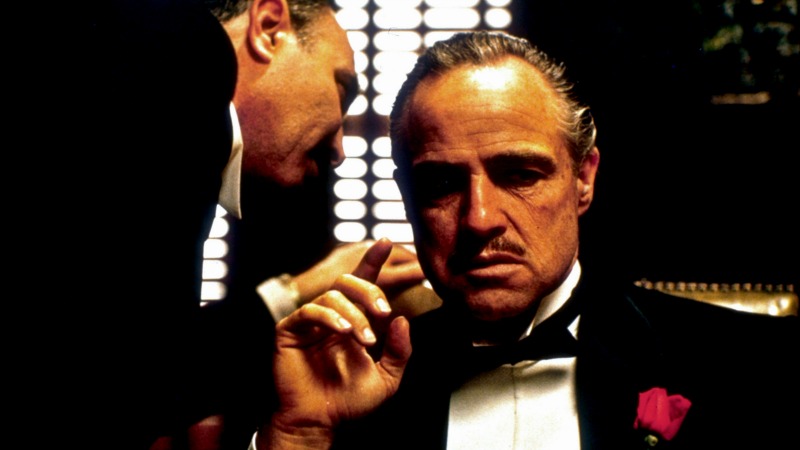
Encapsulating a blood-soaked, pathos-laden family saga with just a few, sparing brass notes, Nino Rota’s Godfather Waltz is as intrisically tied to the series as horses’ heads, baptisms and Marlon Brando’s mumbling vocals. Francis Ford Coppola’s sage decision to hire Federico Fellini’s regular composer helped lend further stately weight to his grandiose, operatic look at mobster life in early 20th century America, and the gravitas was further accentuated during the live performance of the first movie’s score in Bristol’s Colston Hall.
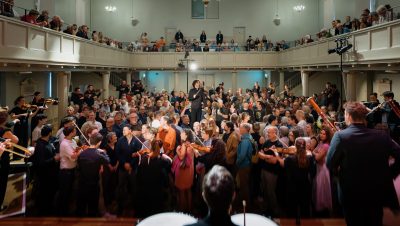
Majestically performed with an ear for both epic sweep and subtle nuance by the Manchester Camerata chamber orchestra, the live accompaniment played beneath a screening of the film itself, an initially perplexing mixture that forced the audience to divide their attention between the movie and the music. In particular, the playing during the early dialogue sequences created something of a clash between the mixing as heard in the movie and the live acoustics of the Colston Hall, the latter threatening to drown out the former.
Nevertheless it was a spellbinding evening that reinforced the importance of the music to Coppola’s vision. From the jaunty early wedding sequences to the multifaceted, distorted variations on the main theme during moments of horror (hello, horse’s head) and the lush romance of Michael Corleone’s (Al Pacino) Sicilian banishment, Rota’s music was revealed as a far more complex, layered work than a casual viewing of the movie would make clear. In particular the vibrant, folksy interaction between accordion and woodwinds served to heighten the rich vein of Sicilian history that courses through the movie, frequently broken up with dissonant piano rumblings during times of extreme tension.
Not only did the Camerata’s emotive, impeccable performance help lend fresh perspective to the audience’s understanding of the movie; it also reinforced how carefully spotted it is. Long periods of silence reinforced the impact of the music when it did finally appear, a clear indicator of how the less is more approach is a far more powerful alternative to the sonic bombast of today’s cinema landscape. A stunning concert performance and memorable tribute to cinematic legend, it really was an offer nobody could refuse.
 Our newsletters emailed directly to you