Music / Reviews
Review: Detta Kenzie, Downend Folk Club – ‘Tugs on the divide between the real world and the magical’
These ‘Live at Lunchtime‘ gigs are absolutely brilliant. Striving for inclusivity and accessibility, there’s a bubble of little voices in all corners of Christ Church.
Little feet shuffle, skitter and stomp, there are tables filled with kids chattering, stopping, listening. Downend’s community reaches out and gently holds everyone.
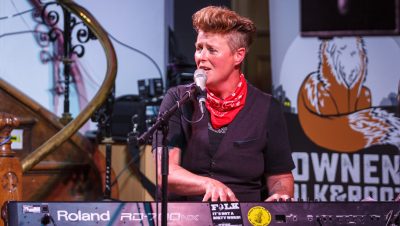
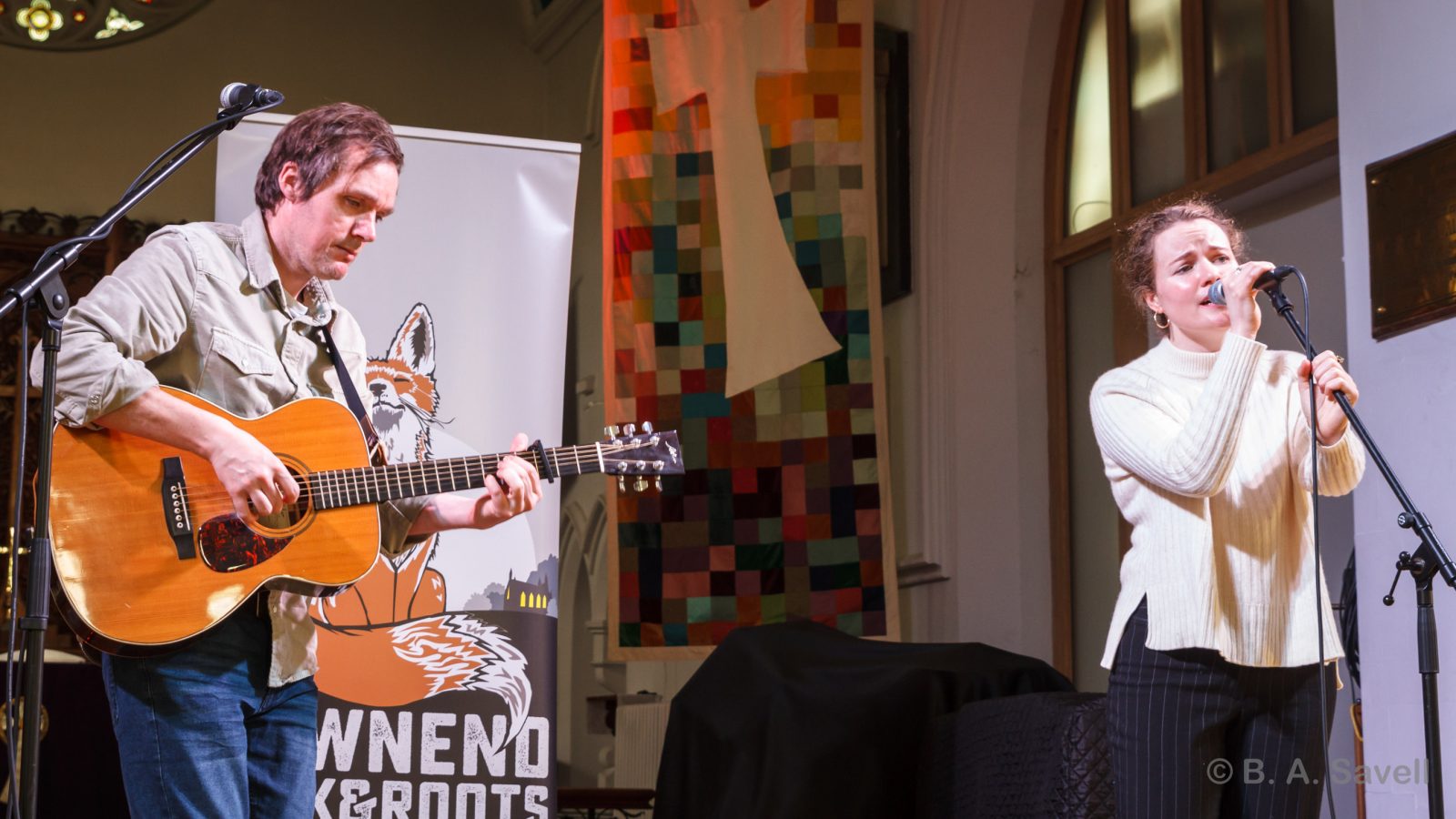
Fitting, then, that the third of these afternoon gigs should feature Detta Kenzie; the Devonian singer-songwriter who is as gentle as spring rain, as welcoming as an open door, a singer with the ability to appeal to all comers.
Taking the south west as inspiration, Kenzie’s own songs are steeped in an, almost, visceral sense of place. You can feel the calming cool of Wistman’s Wood, named after a temperate rainforest on Dartmoor.
Fittingly this forest is remote and high altitude and, so, Kenzie’s voice is high, arcing through the air. It’s the sound of pixies flitting through ancient oaks, of swifts returning home in the spring. She has that classic ‘folk revival’ voice, as pure and clear as any you’ve ever heard.
View this post on Instagram
High Up on Haytor is another song that’s set firmly in the wilds of Dartmoor. Again it’s utterly beautiful, a song that tugs on the divide between the real world and the magical.
Kenzie starts to inhabit that particular place where other ethereal British vocalists live. She doesn’t really sound like Kate Bush but they share a sense of blasted-heath romance.
They also share an incredible control, an effortless skip between octaves. Like Bush, she also has that ability to straddle genres, Kenzie is just as much pop as she is folk.
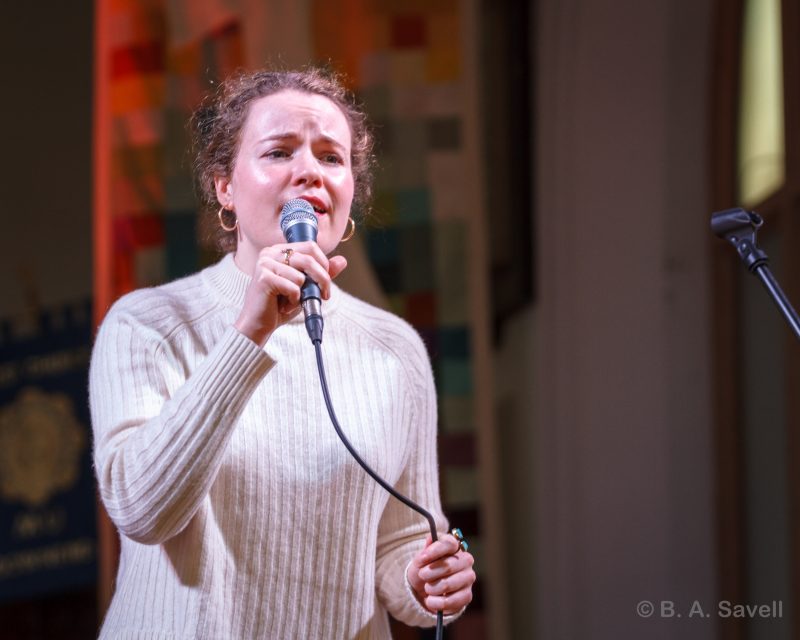
Detta Kenzie’s music is influenced by place, taking themes and inspiration from the landscapes of her Devonian home
While her own songs are rooted in the countryside, her journeys into the tradition don’t stray too far from the pastoral either. Dougie MacLean’s Green Valley is dripping with emotion, gently unfurling like a leaf. As she sings “there’s no peace for me”, the chattering kids around us, ironically, are silenced.
The Green Wedding is an eighteenth-century Scottish song, full of fairies and enchantment and, therefore, perfect for the worlds that Detta Kenzie conjures. Tobias Ben Jacob, on guitar this afternoon, delicately picks his way around the voice, as if Jackson C Frank was teleported into an ancient British forest.
The Flower of Magherally is a pleasant summer’s morning, daffodil bright and gleaming. Once again, her voice soars, Ben Jacob trailing in her wake, the ribbons attached to a kite’s string.
Between them they are as timeless and welcome as the first sun-rays of a July day. Lord Ullin’s Daughter, almost, has an urgency while new single, Reynardine, is a complex, multi-layered thing of beauty.
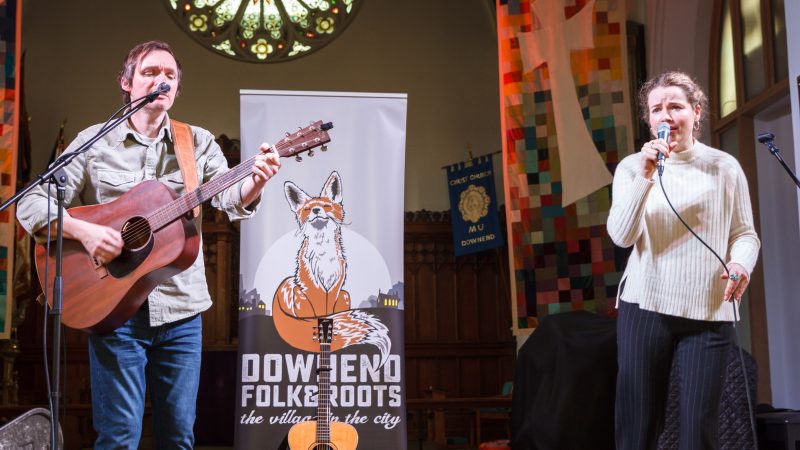
Kenzie enjoyed skilled backing from eminent folk guitarist Tobias Ben Jacob
It takes a very special singer to take an incredibly familiar song and make you appreciate it anew. Black is the Colour has been recorded by everyone – Cara Dillon, Jean Ritchie, Joan Baez and Judy Collins for starters – but Kenzie’s version is as good as anyone’s.
She says that it is a song that lights the fires of tradition but has a modern-ness too. In her hands that is an undeniable truth.
So far Detta Kenzie has released one single, played a handful of gigs and has an EP scheduled for “soon”. She is right at the front of a crop of wonderful folkish singers and might, just might, have that uncanny ability to appeal to everyone.
On those moments when she stilled the children around us, you just knew that everyone was spellbound.
All images: Barry Savell
Read next:
 Our newsletters emailed directly to you