Music / bristol music
‘Music lets us say what we want’ – Creativity, sub-cultures and keeping Bristol’s scene weird
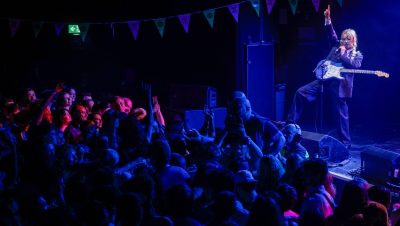
Stand anywhere in Bristol and you’ll hear it before you see it. The rumblings of bass, the grinding of skateboards and conversation spilling out of so many independent venues. This is Bristol’s underground.
For a new generation of young people, it’s exactly why they come here. The city is built on counter culture: punks, ravers, artists and skaters.
And while Bristol is always developing and gentrification stands on our door step, it has never been more important to understand the value of subcultures throughout the city.
is needed now More than ever
Meet the STAR RATS, a five-piece punk band from the West Country, who are helping keep the underground alive and authentic.
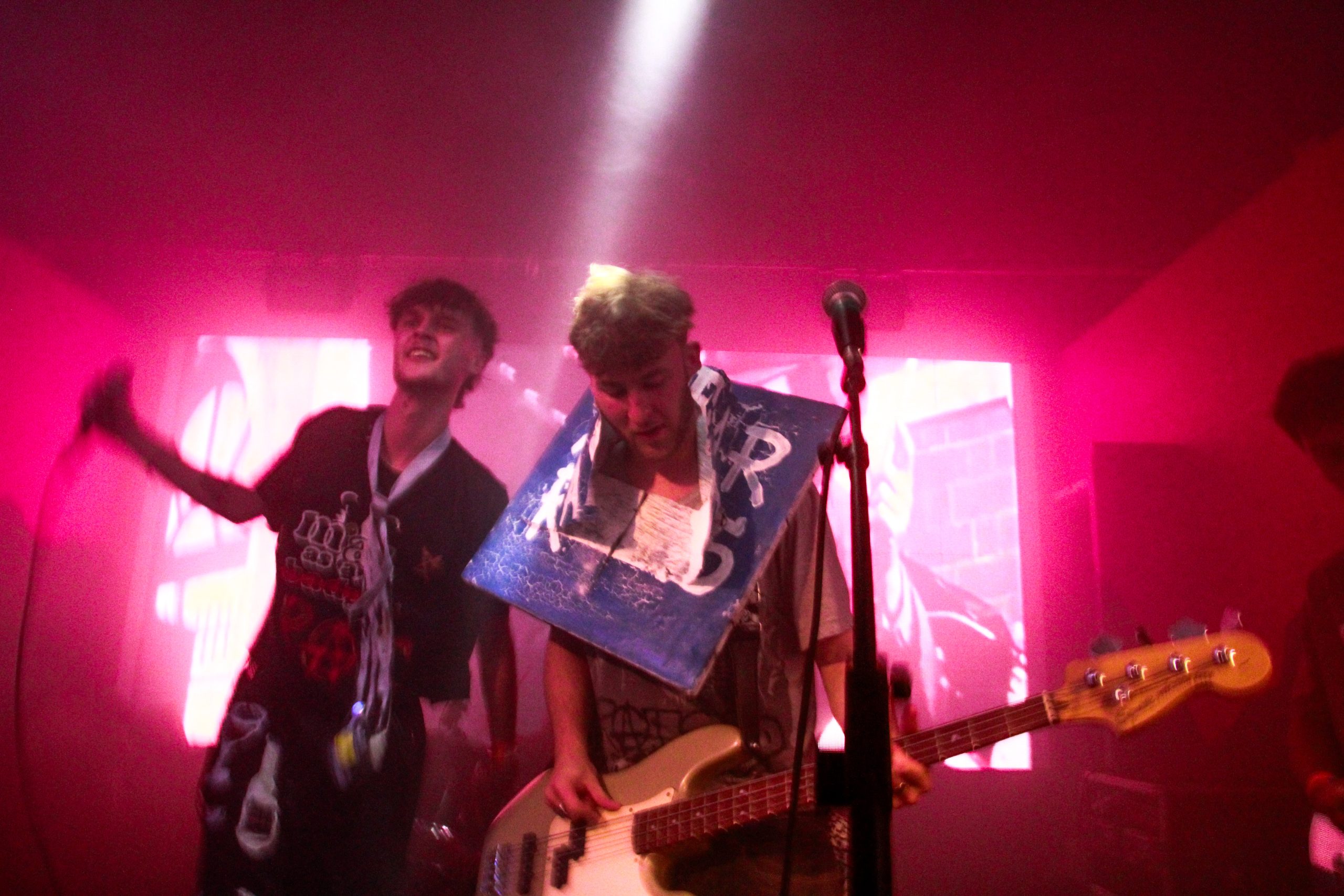
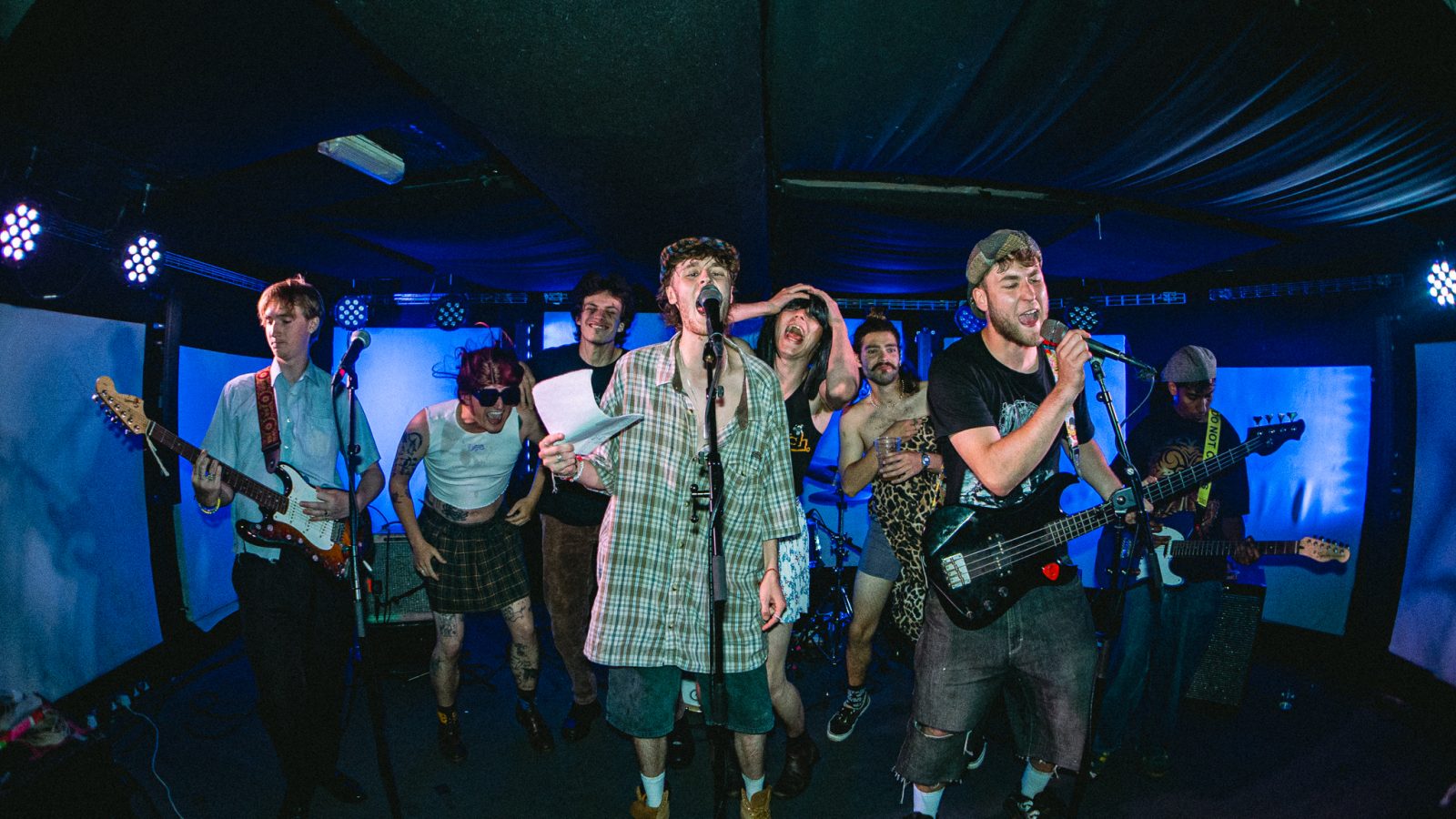
The punk band performing at a Lost Horizon EcoSystem event – photo: Joe Humphreys
The band – all 21 and 22 years old – formed this year while living together. Three of them were fired from hospitality jobs and they decided to use that frustration to begin making music.
Their passion for music has only ever been encouraged by Bristol’s creative landscape.
“There are already a lot of deep roots in musical backgrounds and creativity,” said frontman Charlie Conroy. “So many amazing artists have played a lot of venues here, it made sense creating a band.”
Guitarist Narad Gosine told Bristol24/7: “It’s easy to find like-minded people, Bristol is such an easy place to emerge into the music scene.” Gosine is also a popular DJ in the city, highlighting the longevity of Bristol’s underground.
…………………………………………………………………….
Do you have a favourite musician, venue or band that deserves to be celebrated?
Let us know by nominating them as a Bristol Music Legend.
…………………………………………………………………….
When asked to describe their sound, drummer Isaac Thring said it was very ‘’loud… but as far as punk goes it’s relatively positive, it’s non-performative punk.”
While their songs express anger towards social, political and economical issues, the music is centred around “being young, being skint and having a good time.
“It’s very easy going to a venue and making music about how shit the world is, but there’s a real message in taking the stance of being young, enjoying yourself and being who you want to be, regardless of what’s going on in the world,” he said.
Ultimately, the music is about struggling youths, sticking it to the man and letting themselves go – seemingly a shared experience in Bristol.
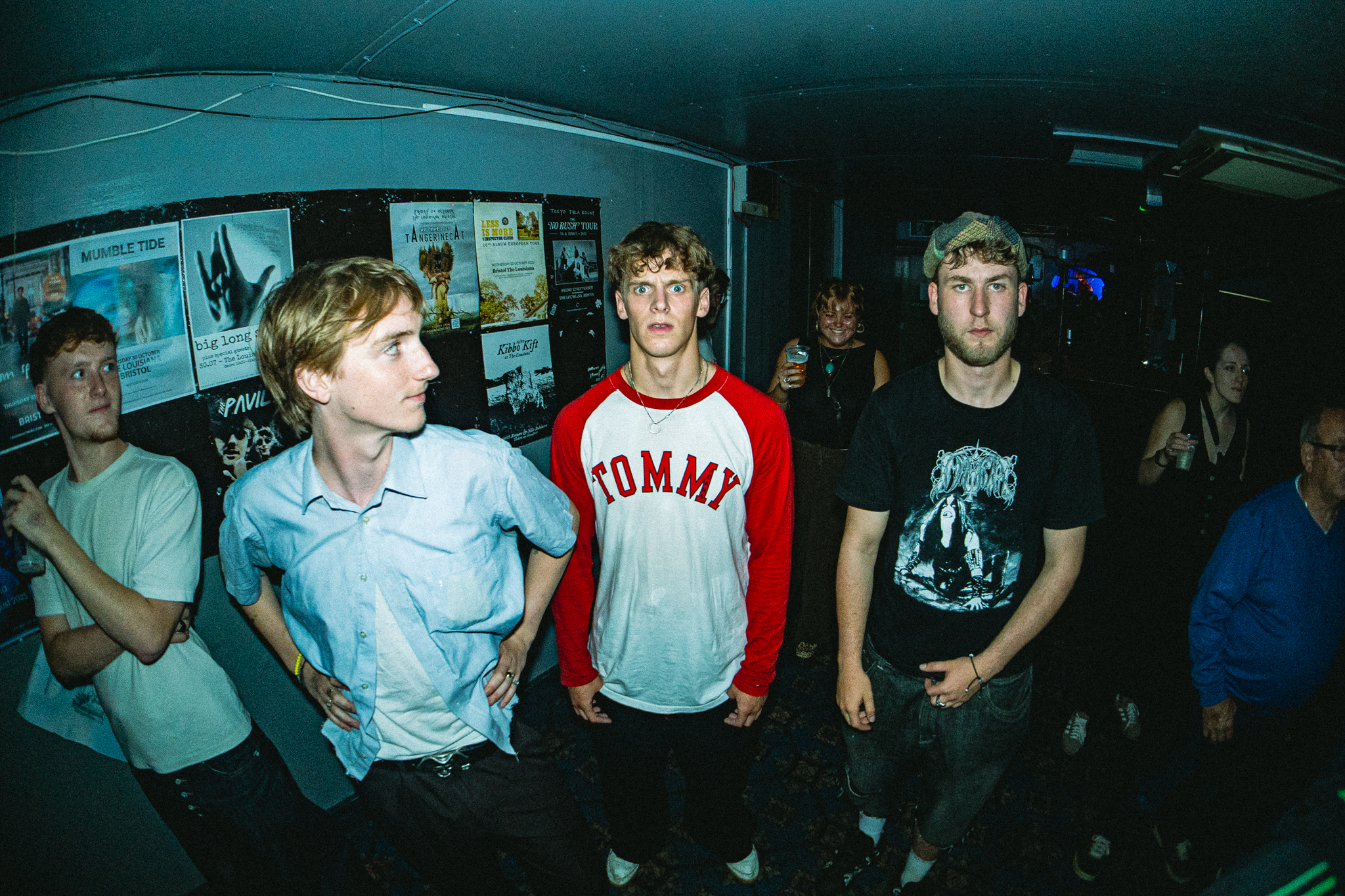
The band at the Louisiana, another popular venue in Bristol – photo: Frank Griffiths
While their gigs might not always be glamorous, they are brutally honest.
The band has a vivid memory from one of their first shows where a woman, seeing them for the first time, reportedly “took her top off and begged for an encore”.
But while crowds love the band and their gritty lyrics, responses from venues have not always been so good. Guitarist Jude Winstone reported how “varied” it has been, with some venues outright refusing to pay them and also “being very restrictive” of what they do.
Winstone described a time a well-known Bristol venue handed them a contract: “They told us to not do any local gigs one month before or after” the show, he said, explaining how this is damaging for underground artists, contributing to the decline of Bristol’s once thriving sub-culture scene.
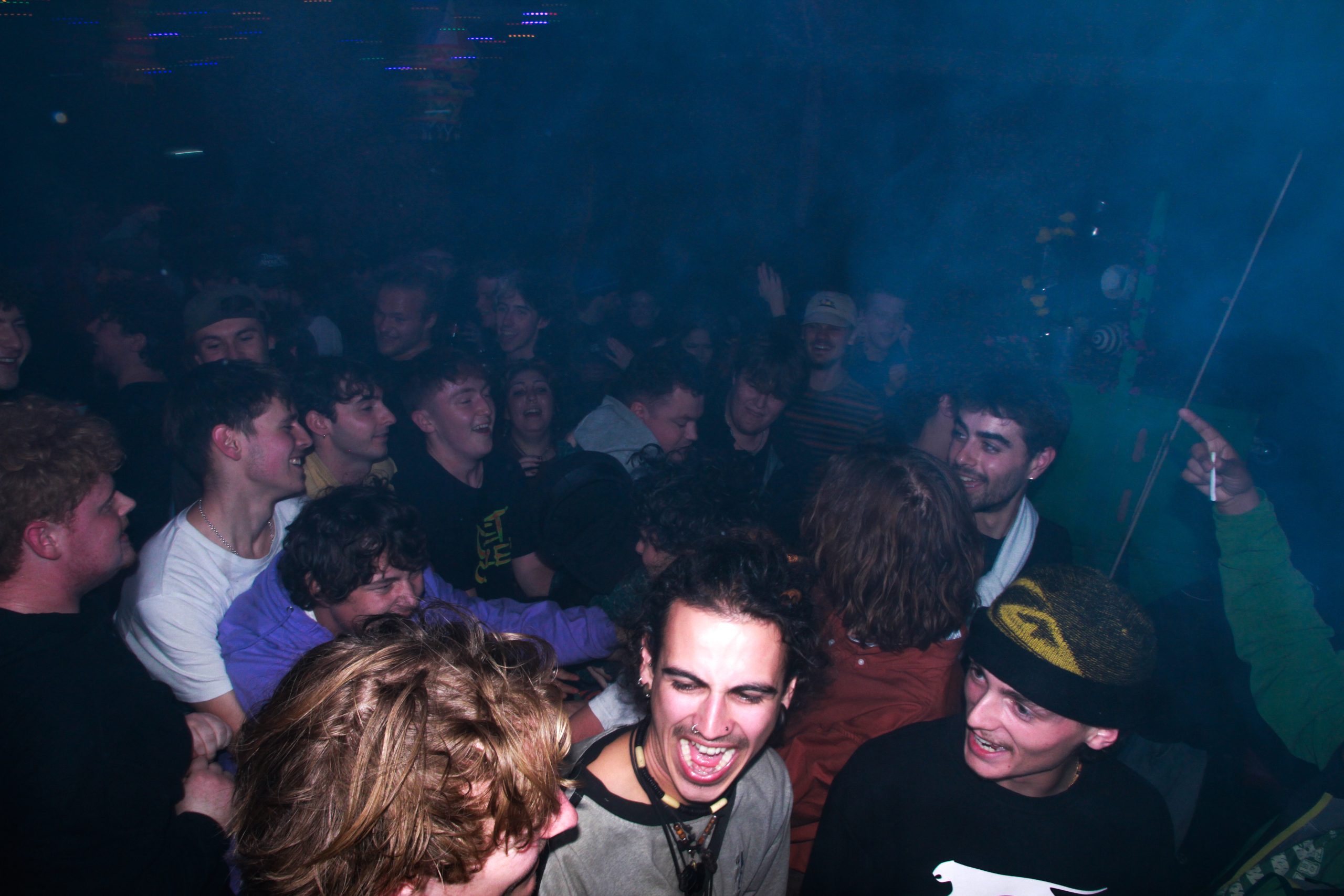
Bristol’s underground scene casts a spell on young people in the city – photo: Joe Humphreys
For the STAR RATS, the underground scene is everything they know.
“Bristol’s counter-culture has connected us all, especially the creative scenes,” said Winstone. “To us it means the people and everything they want to represent. This band is made up of musicians, some artists and we are all skaters. And that’s all we know in the city, that’s how extensive it is.”
Bassist Dylan Inker aid the scene had been beneficial in helping find his individuality. He asked people “to not generalise it based on its face value… Every aspect of subcultures in Bristol is different and necessary in expressing uniqueness.”
On considering if Bristol is still a city where weirdness is celebrated, Gosine said: “There are still levels of judgement and Bristol feels like it’s been less accepting of true weirdness and expressive forms of creativity in recent years.”
Bristol’s underground communities are under threat in 2025. It’s becoming increasingly harder to create DIY music and art in a city where everything is becoming more polished and profitable.
With music venues closing all over the city, people are getting disheartened. Thring knows people behind these venues.
“They’re broke because they invest every single penny they make back into their events… And you see bigger venues trying to replicate what they’re doing but they charge £50 on the door and don’t hire small acts,” he said.
“But at the same time, as long as things keep getting worse, the underground will always grow stronger, which is why we still have faith in it,” said Winstone.
Inker agreed: “People will be drawn into these scenes indefinitely. Music is a way of people being able to say whatever the fuck they want… And that’s what young people especially drive towards.”
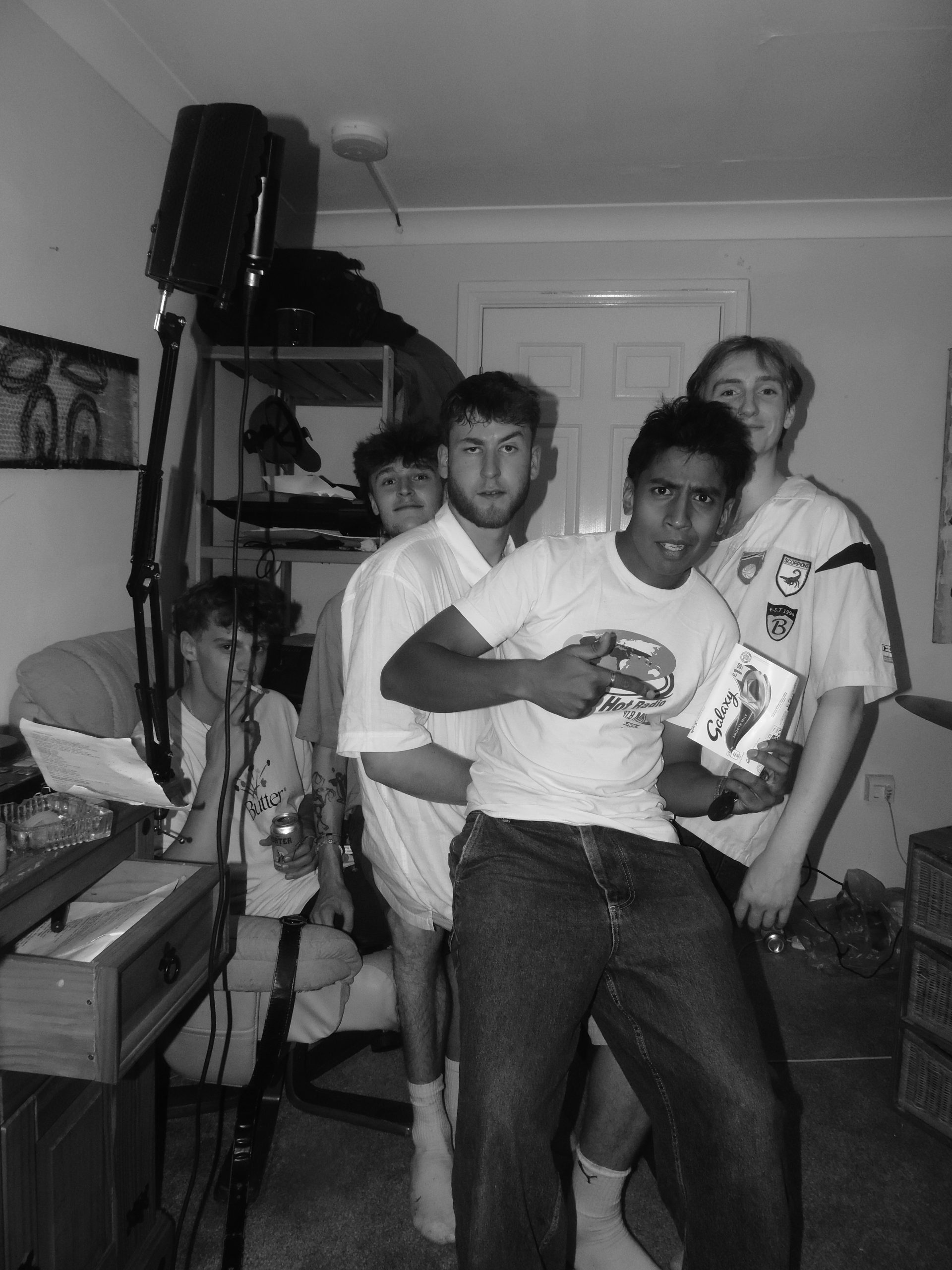
The STAR RATS hope to inspire a new generation of young people to be a part of the underground music scene – photo: Nell Leech-Briscoe
So does punk matter in 2025? According to Conroy: “Punk music isn’t dead until the STAR RATS say it is.”
The band will keep spreading their message, playing grassroot venues and being unapologetically themselves until they can’t anymore: “The STAR RATS are going to keep the underground on top without going overground” they say, aiming to continue to bring together communities over a common idea.
Bristol’s underground scene has always been about making space when none was given and creating conversation. The STAR RATS hope this scene will keep thriving, with venues “open and surviving”.
Thanks to bands like these, Bristol’s underground scenes will always be prominent, even behind closed doors.
Read Next:
- Turn it up: Bristol’s eclectic music scene
- Review: Wall of Bass, The Underground – ‘An energetic and forward-thinking scene’
- Images of the Bristol counterculture, by photographer Matthew Smith
 Our newsletters emailed directly to you