Music / Jazz
Review: Arve Henriksen, St George’s
A quick and not entirely irrelevant plug: en route to this Bristol New Music weekend gig I called in to the installation Requiem for 114 Radios in the Colston Hall cellars. It was an astonishingly atmospheric experience, the gloomy vaults occupied by a rich sonic environment produced by vintage radios scattered throughout. The carefully assembled tableaux suggested a rediscovered electronic repair shop abandoned in the 60s, the doom-laden music a funereal lament for lost analogue technology. It was an interesting way to warm up for Places of Worship, another shadowy experience with a shifting electronic soundscape that followed in St George’s.
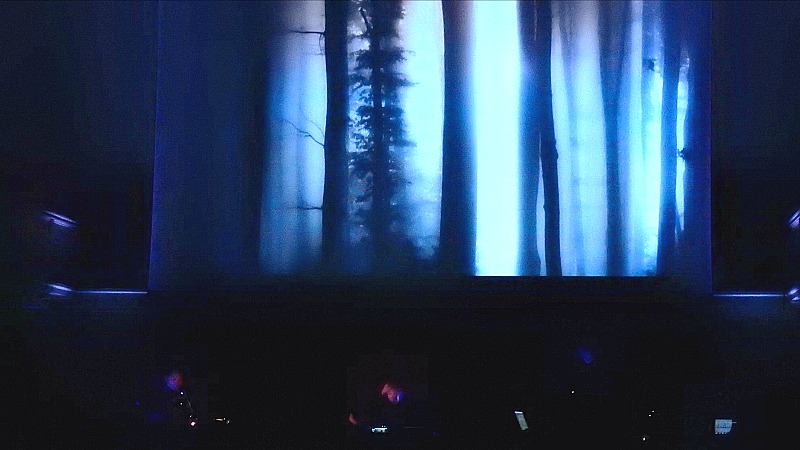
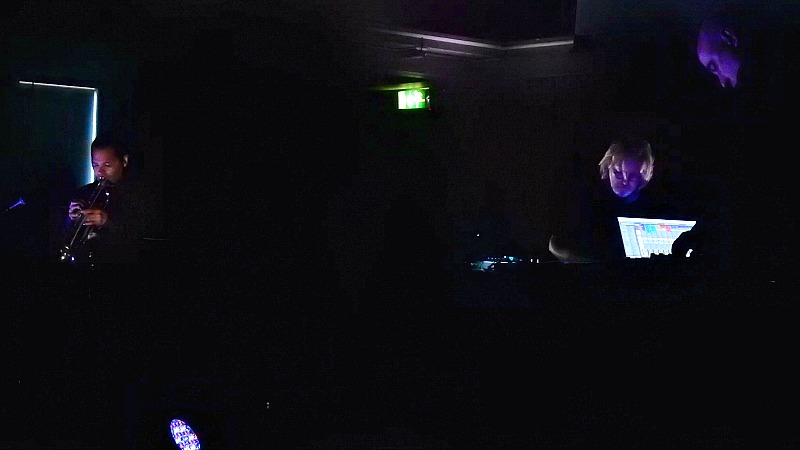
Barely lit beneath the big projection screen, Norwegian trumpeter Arve Henriksen’s trio made for a very restrained fanfare for Bristol New Music, their music creeping up on you rather than grabbing your attention. The black and white video images above them were scenes from nature – a shoreline, a forest – and so static they could have been still pictures had not a bird flown across every now and then. This too, it seemed, was an installation, perhaps in celebration of the austere aesthetics of the German ECM label which has long held Henriksen in its fold.
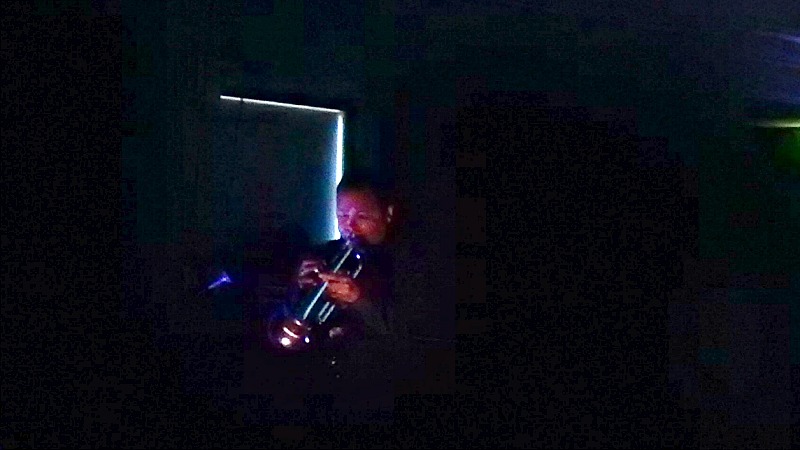
There was, however, an underlying warmth to the music despite the grey stillness of the context. Henriksen’s processed trumpet was an important element but the mysterious electronic interplay between guitarist Eivind Aarset and electronica wizard Jan Bang often defined the sonic atmosphere around it. All three used loops and filters to treat their sounds, stretching sometimes simple ideas through evolutionary changes that revealed unexpected musical references – an Indo-reggae groove slipped into view at one time, a disembodied Bulgarian wedding band was heard in the distance for another. On occasion the trumpeter sang, too, a choirboy falsetto from ancient Scandinavia, perhaps. It was a compelling contribution that gave moments of organic humanity to what was largely a disembodied experience.
The music wove and unwove continuously through some 70 minutes as the images gradually overlaid and melted above them. St George’s itself played a part in affirming the spirituality of the pieces as well as providing the crystalline acoustic that such carefully honed sonics require. The overall experience was like a slow, reflective walk through a deserted art gallery, unfolding one beautifully executed painting after another. Re-emerging into the hubbub of night-time Park Street after that was a very rude awakening.
Read more: Colston Hall cellars come alive
 Our newsletters emailed directly to you