Film / Reviews
Review: Under the Shadow
Under the Shadow (15)
UK/Iran 2016 85 mins Dir: Babak Anvari Cast: Narges Rashidi, Avin Manshadi, Bobby Naderi, Ray Haratian
It’s hard to recall too many Iranian ghost story chillers of late – but if there’s any justice, terrific new spooker Under the Shadow should change all that. A potent mixture of the socio-political tension witnessed in Asghar Farhadi’s A Separation and the brooding psychological terror of Jack Clayton’s seminal The Innocents, it’s a rare horror movie with actual emotional ballast to back up its threatening atmosphere.
It also marks a terrific feature film debut for MTV and short film veteran Babak Anvari, a Iran-born, London-based filmmaker who is surely destined for greatness. Working hand in hand with Kit Fraser’s economical lensing and editor Chris Barwell’s razor-sharp sense of space and pacing, Anvari locates the story in 1988 Tehran, right in the midst of the Iran/Iraq war.
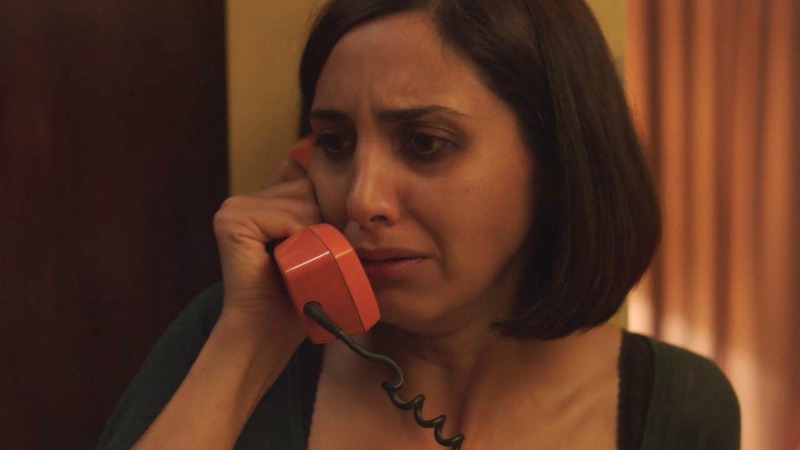
From the wider political sphere to the personal, we then pick up with a scene of central character Shideh (the superb Narges Rashidi) being denied the opportunity to continue her medical studies, on the basis of her revolutionary background. Almost subliminally, Anvari frames a window between Shideh and her accuser, through which we glimpse a bomb arcing down towards the ground; it’s seemingly a bad omen of what’s to come when she returns to her apartment, occupied by her daughter Dorsa (Avin Manshadi, equally terrific) and soon-to-be-absent husband Iraj (Bobby Naderi), a doctor who’s due to be called away for medical service on the front line.
The festering tensions resulting from Shideh’s gender persecution call to mind the slow-burning psychological angst of Jennifer Kent’s terrific Aussie horror The Bababook, although when a missile drops through the roof of the building (an altogther terrifying new wartime development teased via dialogue and on radiowaves throughout the movie), it’s hard not to recall Guillermo Del Toro’s The Devil’s Backbone. Now alone in the flat with her mother, Dorsa becomes convinced the bomb has allowed an evil spirit, or djinn, to enter their home, the sense of terror heightened when her beloved doll Kimia is seemingly snatched away by the entities for malevolent purposes.
The craft of the movie is consummate. Shot in Jordan with expertly convincing production design and sound (the escalating wail of prevailing wind is ghoulishly effective), there is a palpable sense of despair and gloom pervading the air the characters breathe, a terrific depiction of a fraught and turbulent time in Iran’s history that allowed the potential for paranoia and suspicion to fester.
It’s from this cast-iron sense of historical context that the terror springs: in classic horror style we’re forced to confront the reality of what Kimia, and later Shideh, are seeing. The shadow of the title is both supernatural and geographical, seeming fantasy meshing with equally bleak reality in fine fashion. After all, what is scarier: the possibility of ghosts or the futile act of taping over war damage in one’s home with supplies of gaffa tape?
It’s also unexpectedly humorous in places, the single-minded Shideh opposing the countrywide ban on VHS players to work out to bubble-haired Jane Fonda exercise videos (although, typically, this is later turned on its head in eerie ways). Rashidi is fantastic in the role, never resorting to tiresome hysteria but instead crafting a genuinely engrossing sense of escalating terror. Genre veterans Deborah Kerr and The Haunting‘s Julie Harris loom large over her gripping portrayal.
For all its many strengths, there are occasional missteps. Some of the dialogue smacks of first time (“A real doctor could have saved him,” Shideh laments of a neighbour whom she’s not able to rescue), and the central threat lacks personality. Unlike The Babadook, in which the terrifying storybook entity steadily built its personality across the course of the drama, the sense of evil here is perhaps somewhat too ill-defined and elusive for its own good. Nevertheless, these are relatively minor quibbles: this is a hugely accomplished horror movie that deserves to cast the longest of shadows.
 Our newsletters emailed directly to you