Comedy / josie long
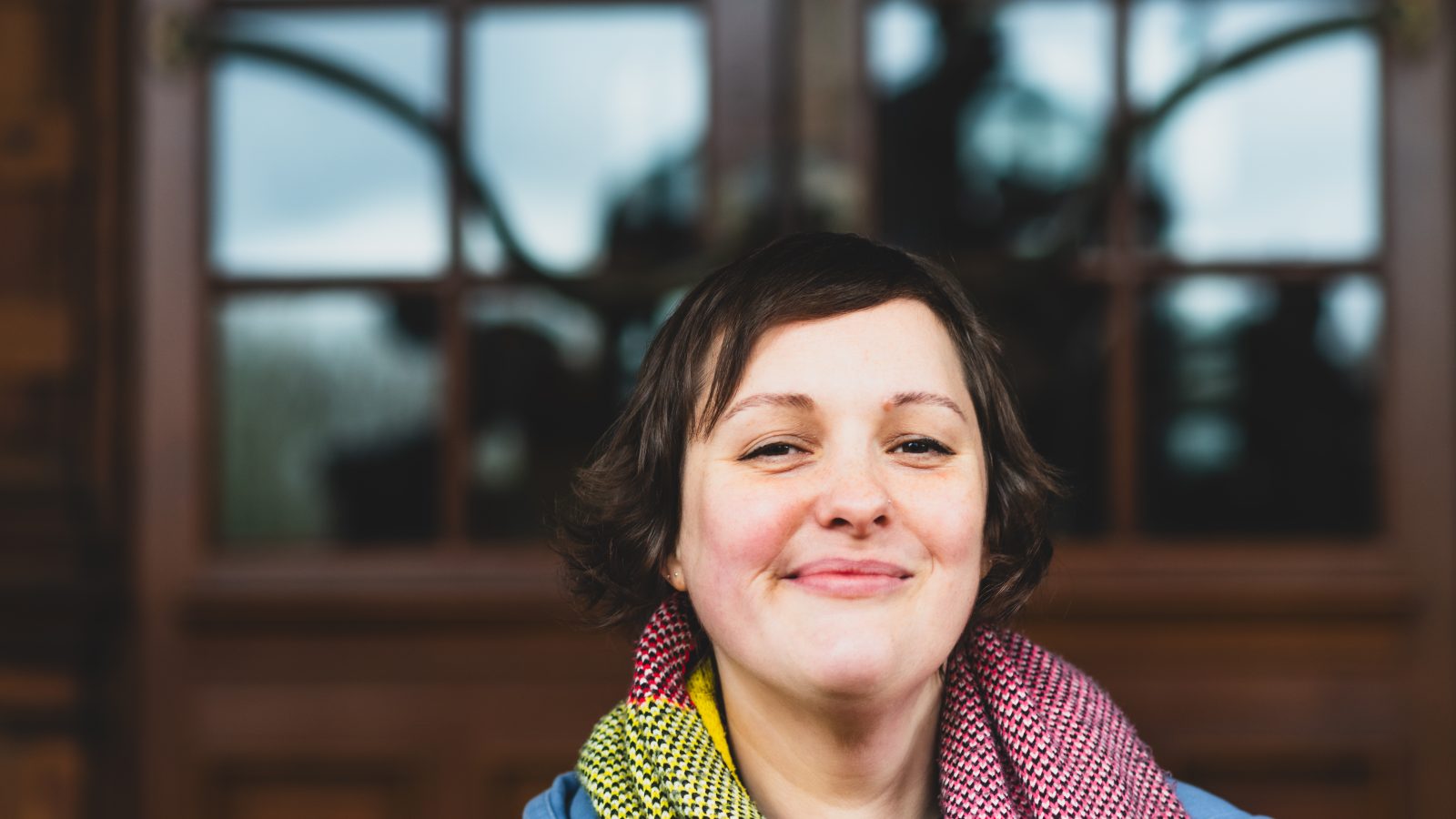
‘We need to feel revolutionary optimism’: Josie Long on motherhood and monsters
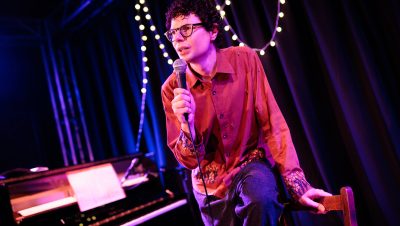
Alongside writing, podcasting and acting projects, the multi award-winning Josie Long has now been a fixture of the UK and international standup scene for well over 20 years, writing and touring nine solo shows within that time.
First performing comedy at the age of 14, when the UK was in the final throes of Britpop, she won the BBC New Comedy Awards in 1999, when she was still only 17.
Characterised for her lifelong advocacy for social justice, leftist politics and activism, Long’s comedy has always been suffused with candour, authenticity, humanity and hope.
is needed now More than ever

Signifying a slight change in emphasis from her early work, recent milestones in her life have inspired a string of more personal and emotive shows, though they still bear all the hallmarks of Long, delivered with her irrepressible energy and optimism.
Named after her niece, Long’s 2014 show Cara Josephine was an examination of heartbreak and family.
Set against a context of political instability and the climate crisis, 2019’s Tender was a paean to new parenthood, in all its wonder and complexity, followed up with Re-Enchantment in 2022, a post-pandemic hour about moving to Glasgow, having a second child and “loving the world under – let’s face it – difficult circumstances”.
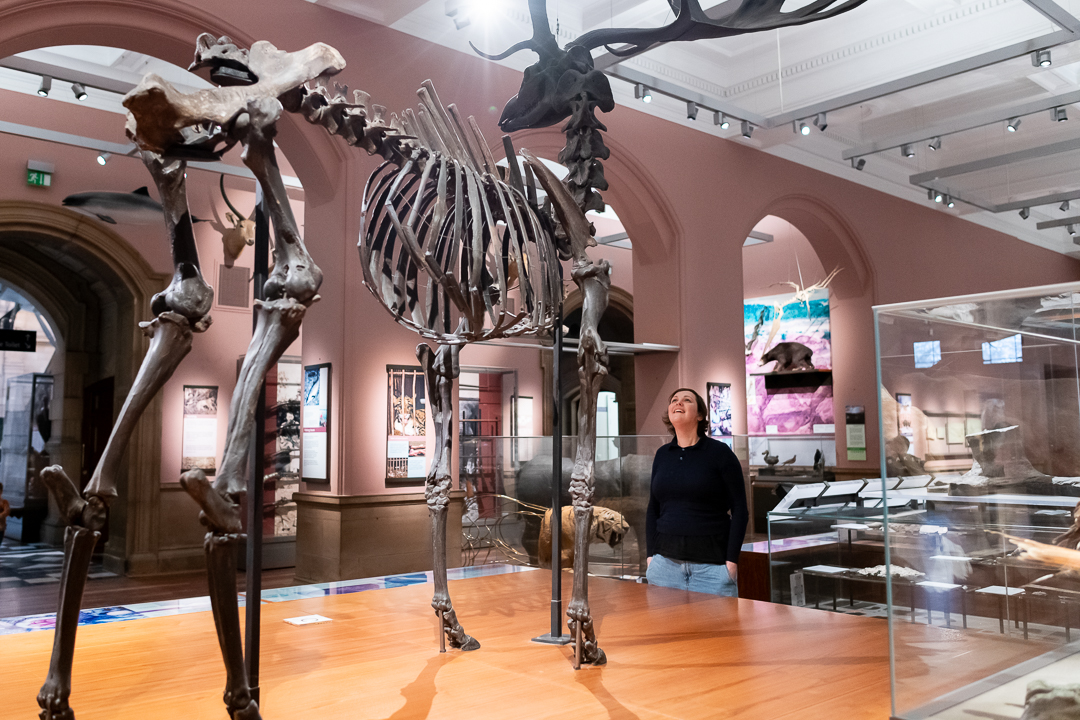
Now, Long is back with the acclaimed Now is The Time of Monsters, an extraordinary show about ancient and emerging worlds. In a time that feels unquestionably bleak – indeed she chooses to begin in darkness – she tackles the painful separation from her partner, political and domestic change, the power of hamsters, and learning to navigate an abundance of both fear and love as she and her young children dive deep into a new preoccupation for extinct megafauna, the giant beasts that once roamed the Earth.
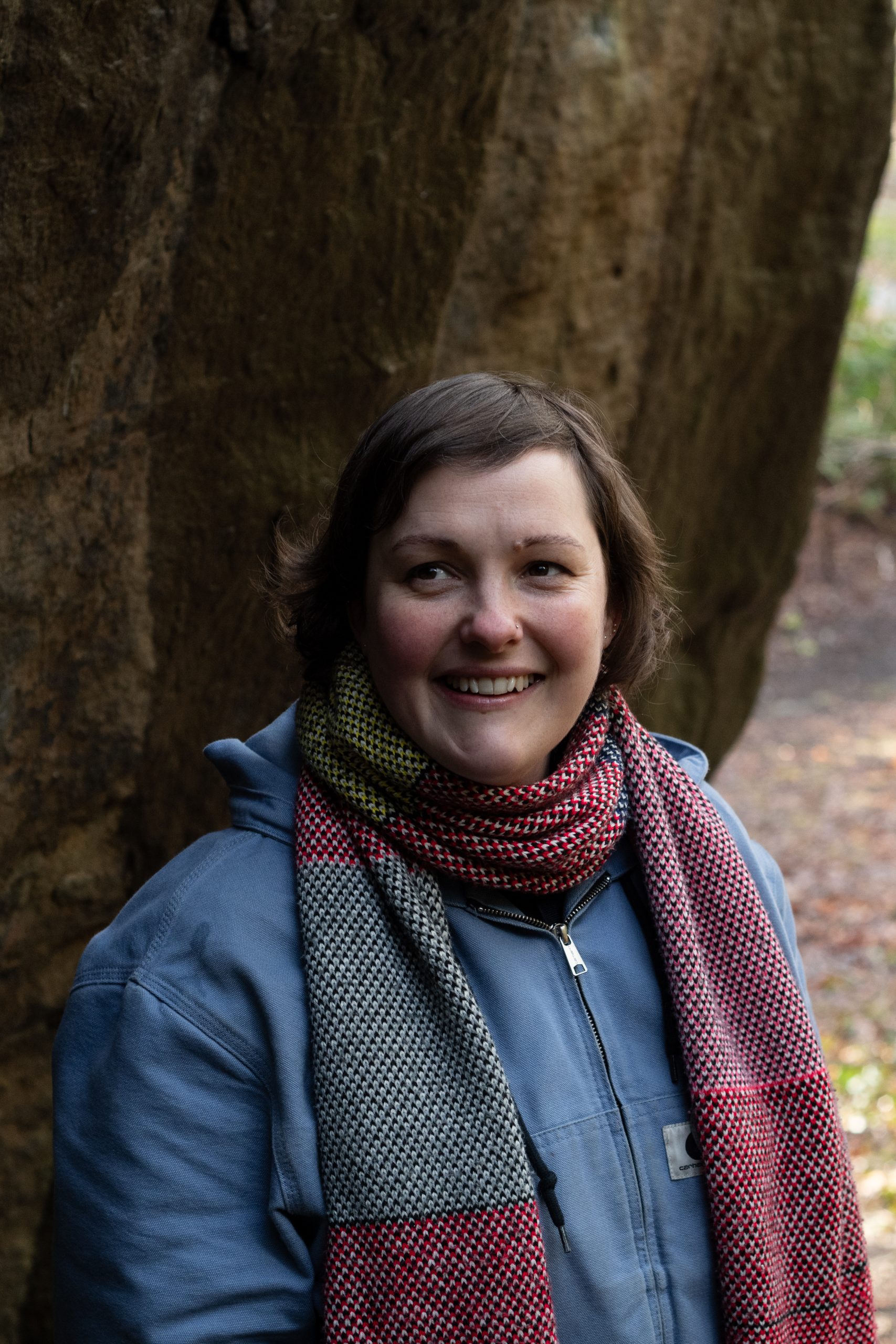
Speaking to Bristol24/7 ahead of a week of tour dates in Bristol, Exeter and Clevedon in November, she shared some insights about developing the show, the insights of motherhood, and the healing capacity of laughter.
You are touring off the back of an incredible Edinburgh Fringe run. How does it feel to be on the road again with a new show?
“It’s so exciting to be touring again. I love the fact that every venue is different, and that every place I go to has such a different energy to the crowd. I really feel like you get a good feel for each place and I like having my little spots to come back to and seeing pals round the country. I really love the show, and I get excited to try it out in each new place.”
Throughout your career – and aside from your joke rate – your comedy has always been characterised for its honesty, and its positivity. When the outlook is more turbulent, how much more of a challenge is it to find that tone?
“Thank you for being nice about my joke rate haha. I think this show is really about that challenge, and about trying to keep a sense of potential and optimism among the chaos and cruelty of the current moment. There’s a Gramsci quote in the show which is ‘I’m a pessimist because of intellect but I’m an optimist because of will’. And I think that is the vibe- we can see what’s going on but the challenge is to maintain a strong sense of defiant possibility!
“I also think comedy shows are so good for this kind of thing because you can be earnest and then bookend it with something silly, flippant and playful. So my show has those elements but also just a whole bunch of silly pictures and chat and a really extended bit about a hamster.”
What is the balance between the personal and the political in your work? How do you go about striking this while, in this case, also interweaving strands of ecology and paleontology?
“For me, writing the show was quite a slow process of finding out all of the things I wanted to talk about, and then working out if I could possibly fit them together. I knew first that I wanted to write a show about giant extinct prehistoric animals, and then gradually I realised they were such a good way to discuss living through a mass extinction event, what it’s like to parent right now, even things like making art and cave paintings. It’s really fun and exciting to see how things come together as you write them, and you kind of realise that you are the common link in it all so it all does end up making sense.
“I try to make parallels which is helpful, but also sometimes I just like to do a big old gear shift to surprise people. It was also really helpful to write the show over 18 months because it became a part of my life and I kind of realised why I wanted to talk about it during that process, it became about different versions of myself and my kids and how we evolved in that time, alongside talking about evolution of animals.
“I’ve been trying to work on this kind of balance in my shows for a while and it’ always tricky, you find yourself really thinking ‘ok, I’ve just done such a heavy bit, how can I really shift the gears next?’ or ‘ok how can I relate this giant sloth to…anything at all?!'”
How has being a mother shaped the things you are compelled to talk about on stage?
“It’s more that it’s meant that I really really enjoy my time on stage now, because it’s so much easier than parenting. Parenting is so hard, and standup is so nice. Nobody ever makes me take them to the toilet or gets angry at me for giving them the yoghurt that they just asked for.
“I do think it’s made me think a lot more about what things I give away onstage – I think about my kids as adults and don’t like the idea of upsetting them or invading their privacy. That having been said I do LOVE to pretend to be either of my children onstage and that can’t be wrong.
“I do feel like the responsibility I have felt for a while to try and use my shows to talk about politics or try to change the world is even more keen since I’ve become a mother, too. I don’t want to say I didn’t at least try.”
Can you sum up where, for you, the power of comedy lies? To what extent is it catharsis for you, the audience, or both?
“I see it as a way for us to feel less alone, to connect with each other, especially in terms of politics when things are so hard and it can be too easy to feel despair or powerless. I think too that to have someone onstage being determined to say ‘we will win!’ is some kind of alchemy for creating action later on from the audience. I do think it’s catharsis to laugh at how awful things are, but I think it’s more than that, it can galvanise you. And we need to feel revolutionary optimism, even if it’s only out of spite, in order to have any hope for the future.”
You are heading to south west venues over a series of dates in November. Do you have particular expectations of a Bristol audience?
“Yes! I expect them to be cool. They always have been so far. don’t let me down guys.”
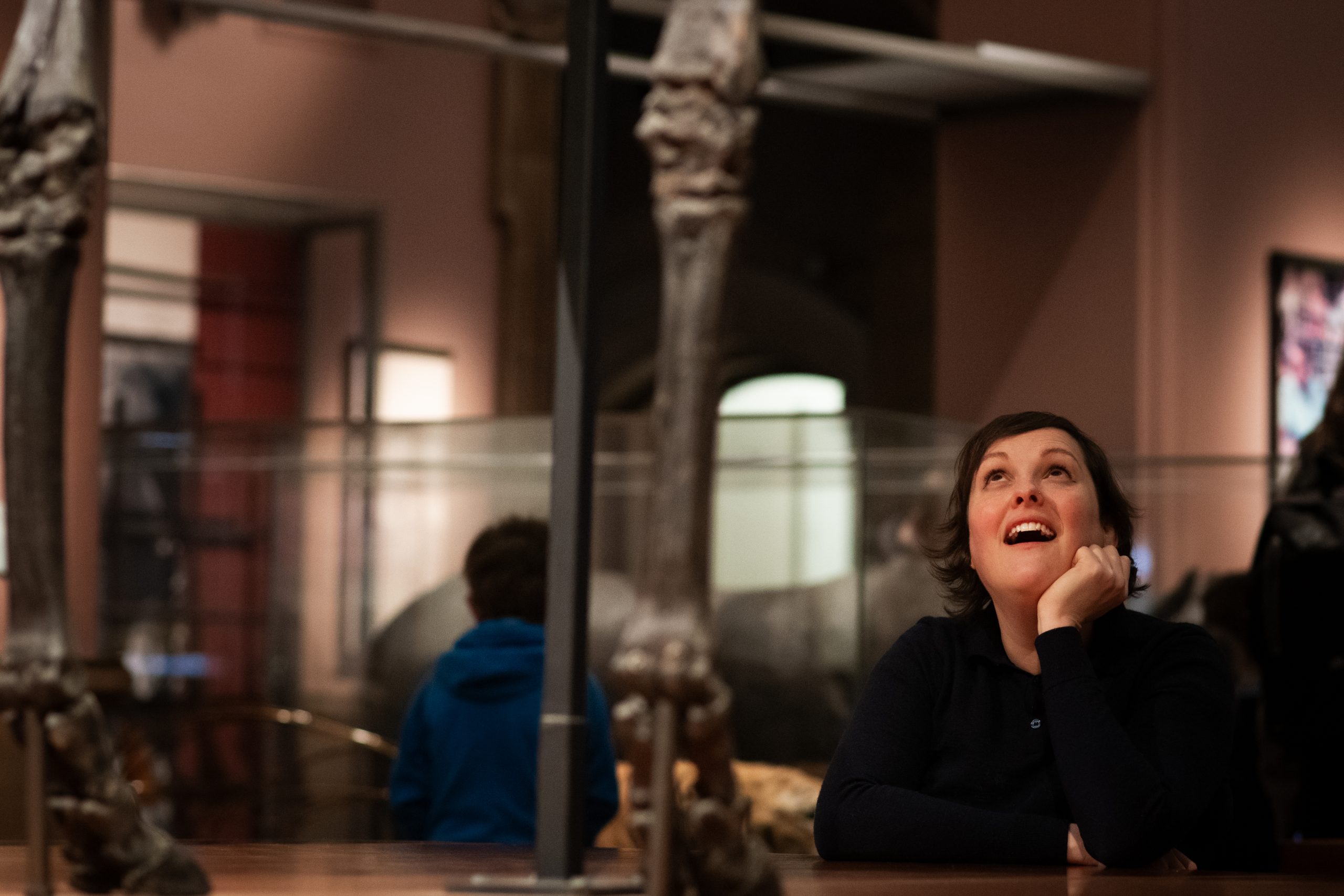
Josie Long: Now Is the Time of Monsters is at Bristol Old Vic on November 16 at 7.30pm. Tickets are available at www.bristololdvic.org.uk.
All photos: Stephanie Gibson
Read next:
 Our newsletters emailed directly to you