News / Trees
West of England celebrates tree planting milestone
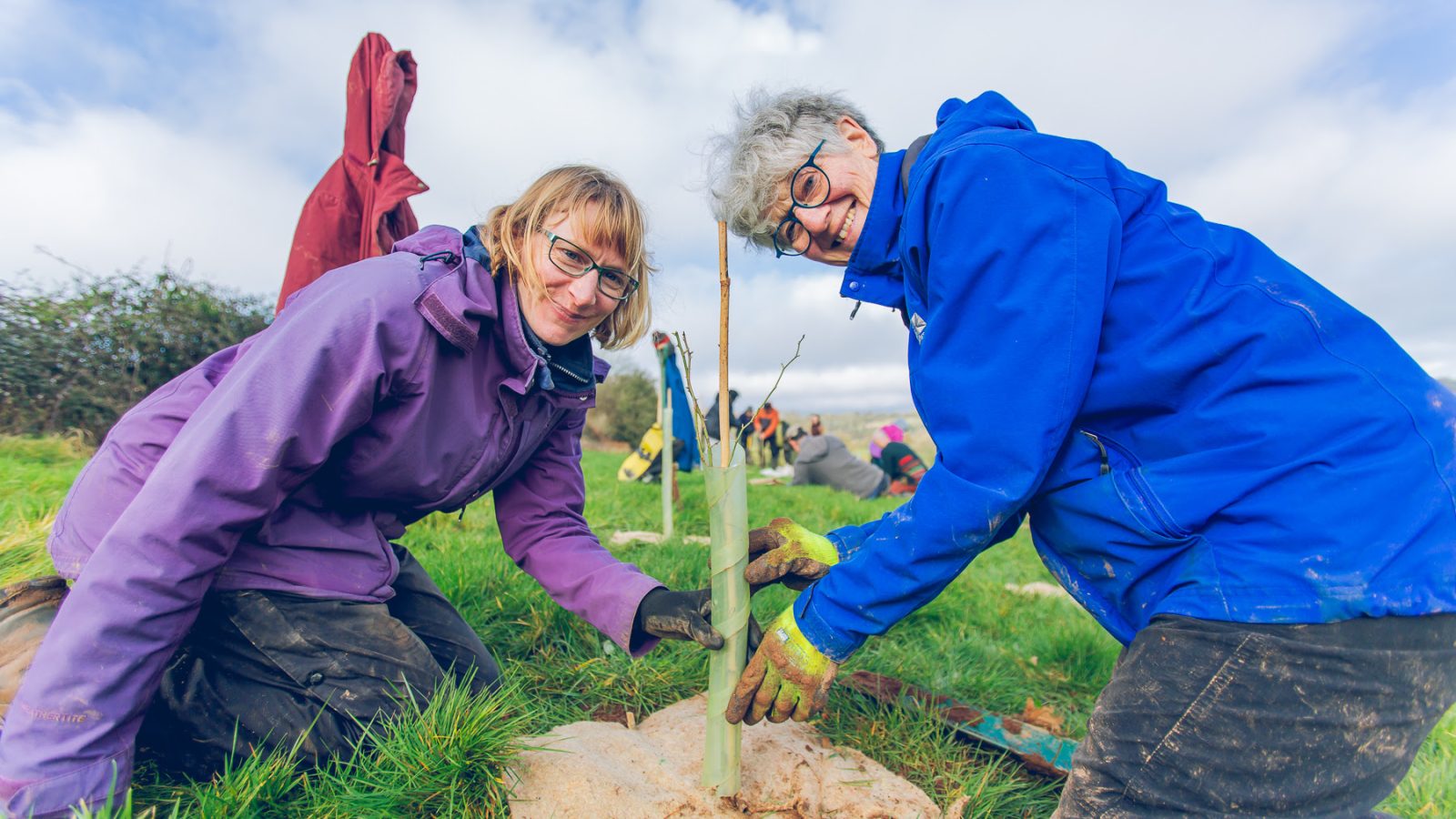
The Forest of Avon has surpassed a quarter of a million new trees in the ground in the last five years.
It is a milestone to mark for the West of England which is one of the most tree-depleted regions in the UK, with 7.8 per cent of tree cover compared to the national average of 13.3 per cent.
The trees planted, which now amount to more than 261,000, cover over 345 hectares or 480 football pitches across Bristol, Bath, Somerset and South Gloucestershire.
is needed now More than ever
The 228 sites that have benefited from the planting include woodlands, hedgerows, orchards and green spaces that have been improved with tree cover as well as street trees.
These include the total establishment of more than 17km of hedgerow, the equivalent of a continuous hedge stretching from Bristol Temple Meads to Bath Spa train station, providing vital wildlife habitat, biodiversity and carbon capture.
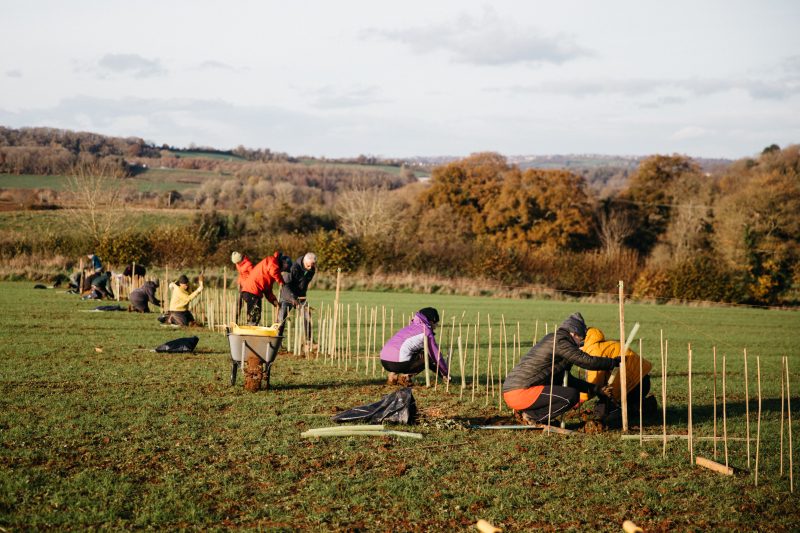
Avon Needs Trees and other partners have been facilitating the planting of new hedgerows and woodland sites – photo: Alex Turner
Bristol sites include Manor Woods Valley in Bedminster and community orchards in Eastville Park, Horfield Common and Stoke Park Estate.
Each new tree in the ground becomes part of the Forest of Avon, one of the original community forests that was established in the 1990s as part of an England-wide network of new woodlands for community benefit voluntarily planted around major towns and cities.
The Forest of Avon Community Forest Path comprises 45 miles of walking route taking in the forest’s major sites and Bristol’s green spaces including Ashton Court and Blaise Castle.
The milestone reached by the Forest of Avon also includes new sites Great Avon Wood and Lower Chew Forest, facilitated by Avon Needs Trees, which currently amounts to 40,000 trees in the ground, with a further 70,000 planned for planting this winter.
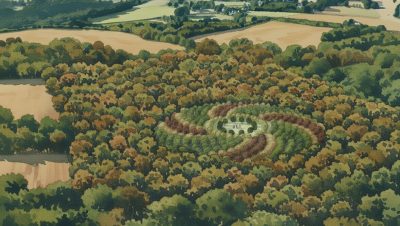
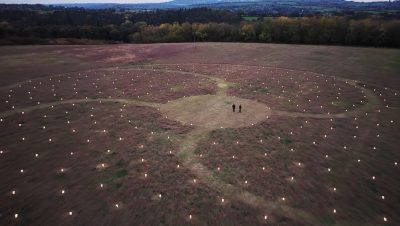
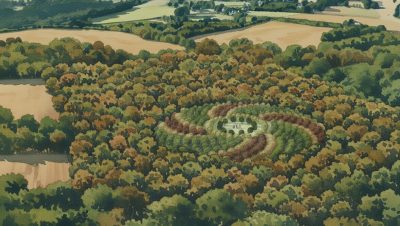
Lower Chew Forest has been dubbed the region’s ‘largest new forest in a generation’ with the 422 acre site earmarked for over 100,000 new trees and other natural features as well as a landmark living artwork created by Luke Jerram that will emerge over the next 50-100 years.
And work is due to start next week on the Western Forest, England’s first new national forest in over 30 years that will span Bristol, Somerset, Gloucestershire and Wiltshire. It is hoped that 20 million new trees will have been planted by 2050.
The planting has taken place as part of the Trees for Climate initiative, delivered through the government’s Nature for Climate Fund. It provides help with the design and planning of the project, up to 100 per cent of funding for planting costs and ongoing maintenance support.
The trees contribution to environmental health includes reduced flood risk, increased biodiversity, improved soil health and carbon capture. The benefits of woodlands to people include lowered stress levels, improved physical and mental health, and relief of climate anxiety.
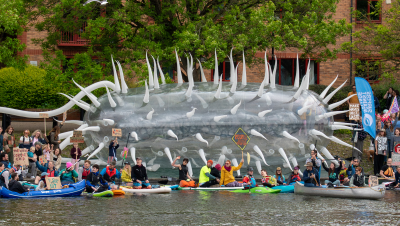
Main image: Daisy Brasington
Read next:
 Our newsletters emailed directly to you