News / aviation
Rolls-Royce opens new manufacturing unit for ‘next generation’ of aircraft components
An advanced manufacturing unit, which will produce the “next generation” of aircraft components, has opened at Rolls-Royce site in Filton
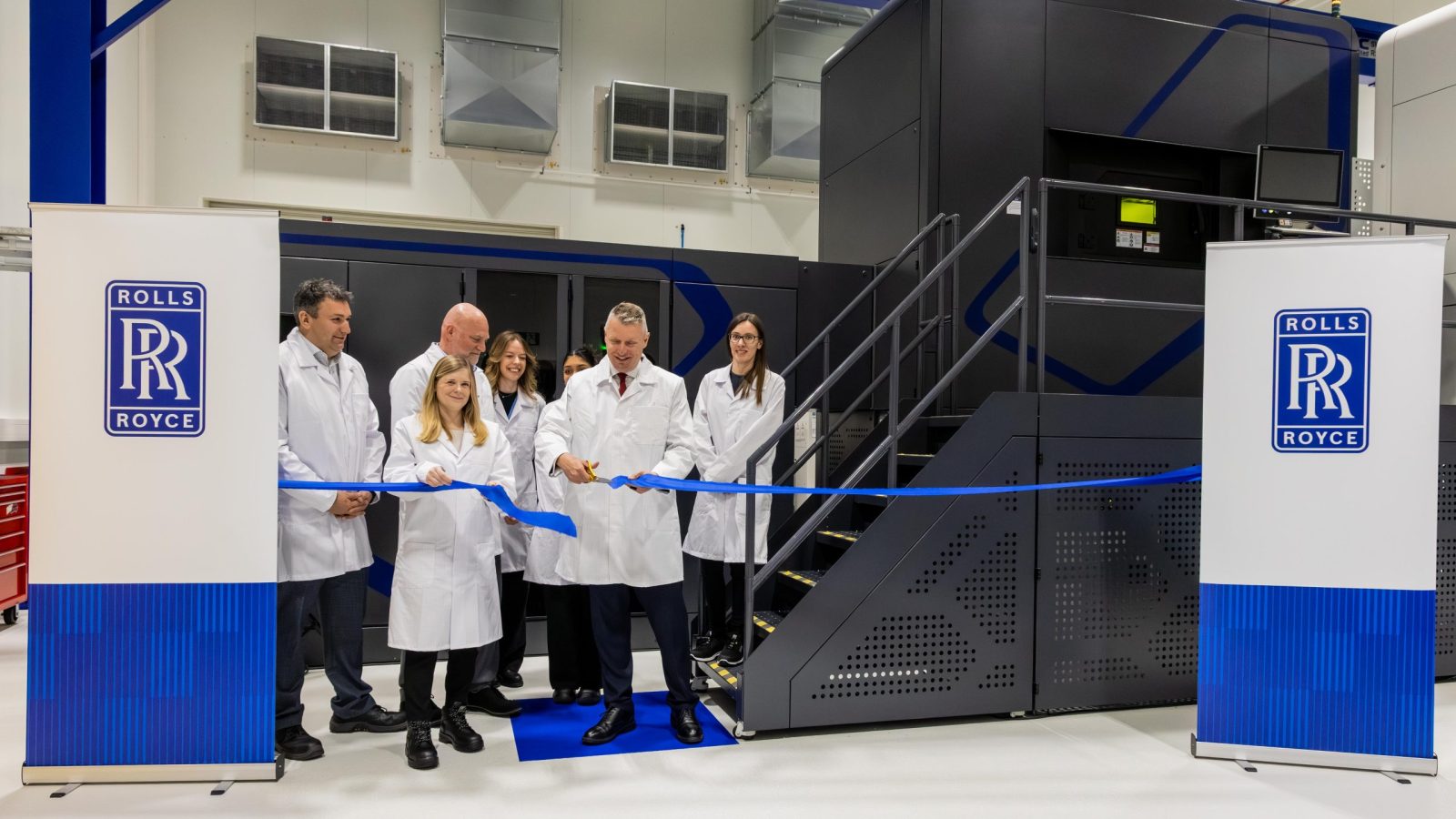
The plant, known as Additive Works, was officially opened by Luke Pollard, minister for defence readiness and industry at the company’s Defence Assembly and Operations site.
Claire Hazelgrove, MP for Filton and Bradley Stoke, was also present at the event.
The minister highlighted the UK’s growing capabilities in defence and nuclear technology, where Bristol plays a pivotal role.
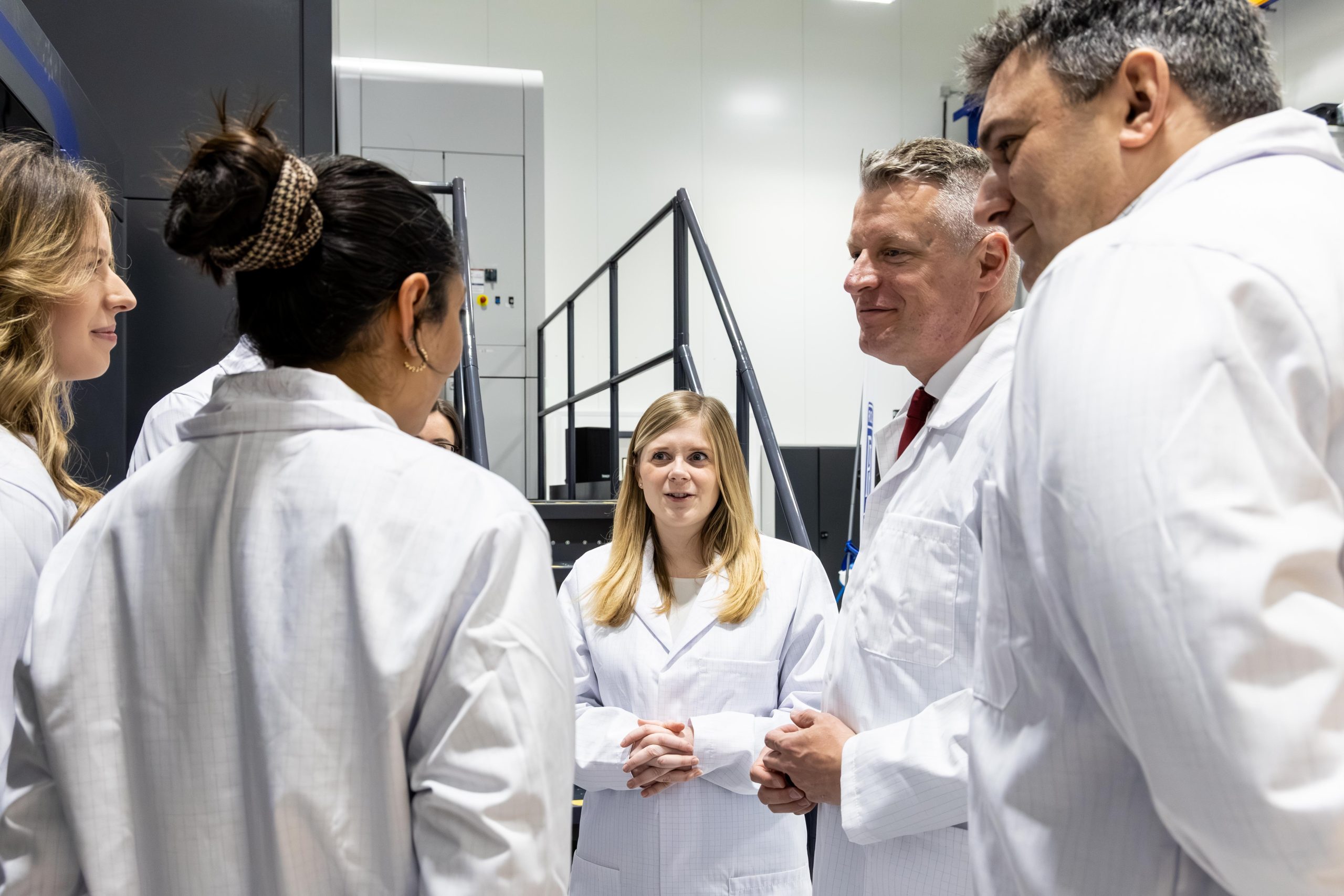
Luke Pollard, minister for defence readiness and industry and Claire Hazelgrove, MP for Filton and Bradley Stoke met with the staff at the new manufacturing facility in Rolls-Royce – photo: UK Defence
Funded by the Ministry of Defence, the facility uses advanced additive manufacturing – commonly known as 3D printing – to produce vital components of aircraft engines.
Pollard said: “This new facility in Bristol is a clear sign of UK industry investing in the skills and technology we need to stay ahead.
“By using the latest manufacturing techniques to build lighter, more efficient components, Rolls-Royce is helping to keep British engineers at the forefront of innovation — while creating and sustaining skilled jobs right here in Bristol.”
Additive Layer Manufacturing (ALM) allows engineers to create complex internal designs, reducing material waste while improving cooling systems, heat exchange and overall engine efficiency – advantages that set it apart from traditional manufacturing methods.
During the visit, guests were also given a preview of next-generation Advanced Modular Reactor (AMR) technology.
Hazelgrove said: “I was pleased to welcome the defence minister back to Rolls-Royce’s impressive site here in Filton.
“Each time I visit, there is new and impactful innovation to see, and this is what makes the team here real leaders globally, both in defence and the wider aerospace industry.
“Here in Filton, we are proud that our heritage and future are rooted in shaping the next generation of flight. It was excellent to hear how the new Additive Layer Manufacturing facility is boosting both the speed and sustainability of innovation.”
The visit coincided with the Defence Energy Conference in Filton, which brought together industry and government leaders to discuss secure and sustainable energy for defence.
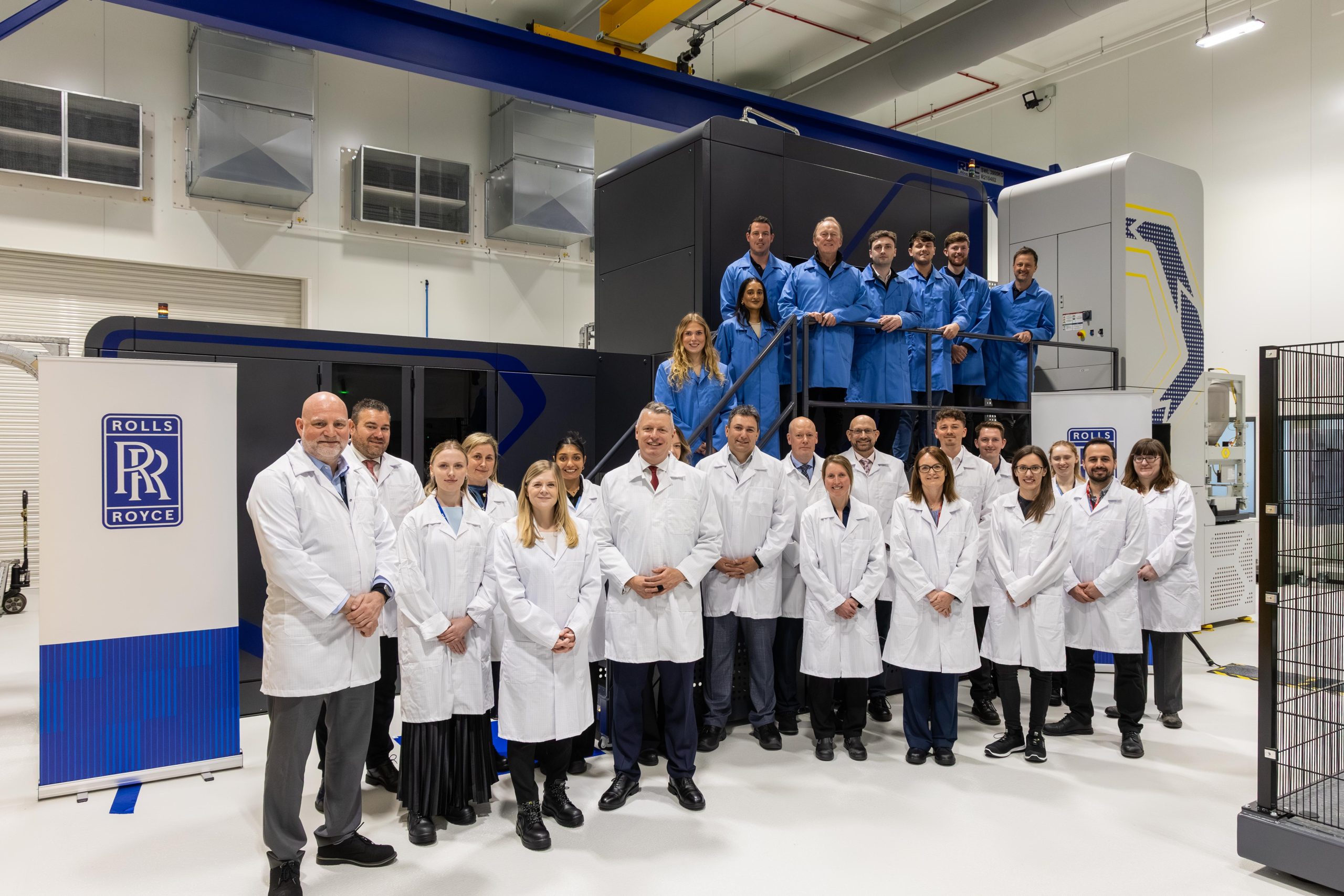
The advanced manufacturing unit at Rolls-Royce will produce the next generation of aircraft components – photo: UK Defence
The event also highlighted the government’s backing for advanced nuclear technologies and advanced manufacturing, seen as key to driving innovation, strengthening supply chains and creating high-skilled jobs across the UK.
The Filton site of Rolls-Royce plays a major role in a recent £8bn defence deal supplying Typhoon fighter jets to Türkiye, supporting local jobs and reinforcing its importance within the UK’s aerospace sector.
Andy Higginson, senior vice president of manufacturing, assembly and test at Rolls-Royce, said: “Across Rolls-Royce, we are committed to the continued development and enhancement of our technologies to meet today’s demands while providing the scalable infrastructure required for the future.
“Programmes like FCAS and GCAP will be fundamental to the UK’s future aerospace capabilities, and technologies such as additive manufacturing will be crucial in enabling innovation at pace, driving cost savings and enhancing the skills of our people.
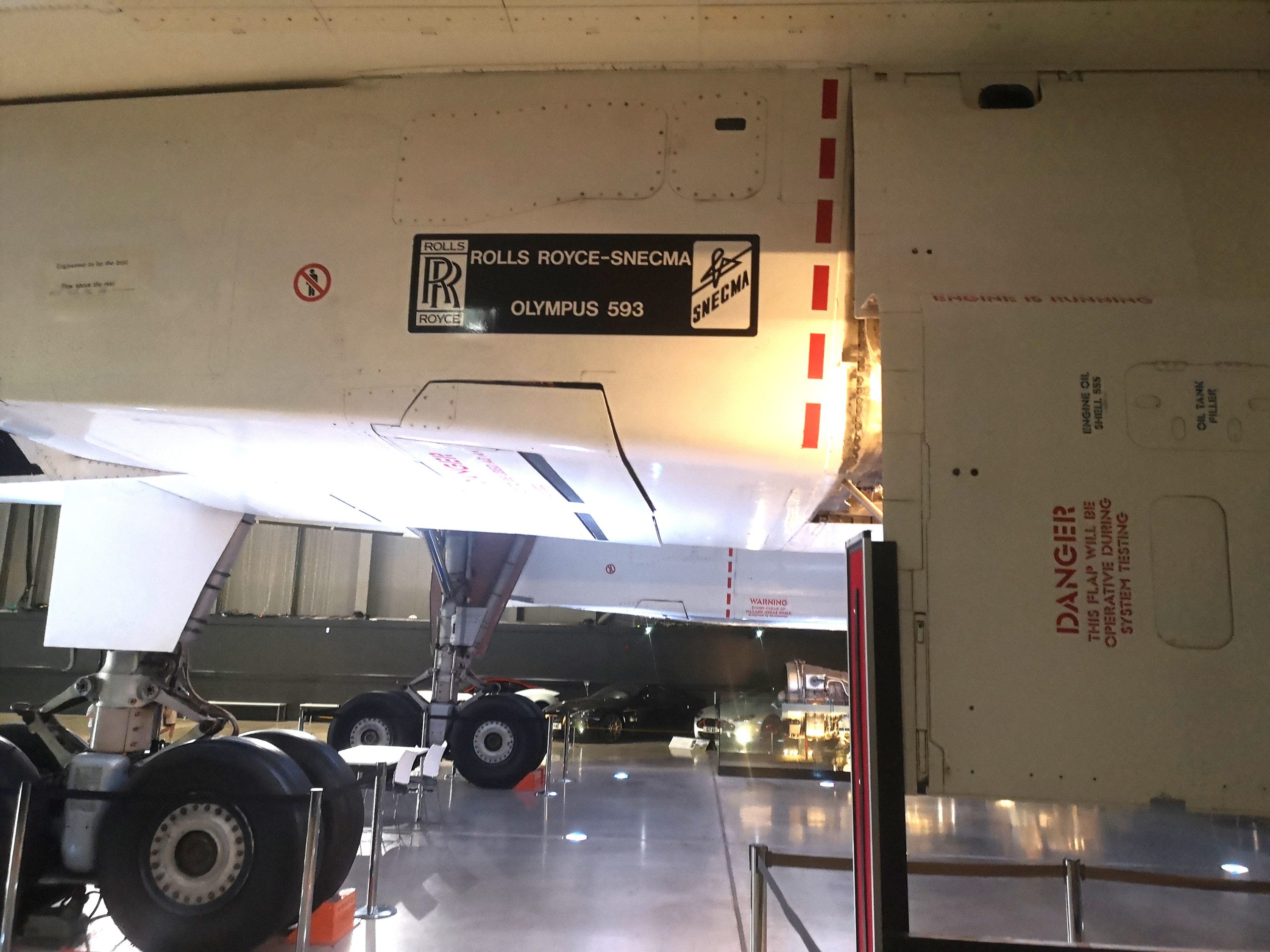
Rolls-Royce produced some of the most advanced aircraft engines in history as used in Concorde (pictured) and Vulcan – photo: Milan Perera
The Filton site of Rolls-Royce boasts a long history of producing some of the most advanced aircraft engines, including those used in Concorde and Vulcan.
Main photo: UK Defence
Read next:
 Our newsletters emailed directly to you