Film
Whale Rider
- Director
- Niki Caro
- Certificate
- PG
- Running Time
- 105 mins
As liberal arthouse audience-pleasers go, Niki Caro’s 2002 adaptation of the novel by Witi Ihimaera certainly pushes all the right buttons. There’s a frisson of the ethnic exoticism that so excites world music enthusiasts, an empowering feminist theme, and a respectful accommodation of ancient cultural values within its progressive message. Normally, this would be sufficient to send any sane cineaste screaming into the comforting embrace of the nearest multiplex no-brainer. Fortunately, Whale Rider turns out to be unforced and unmanipulative: a kinder, gentler Once Were Warriors, if you will. It also shares with John Sayles’s under-appreciated The Secret of Roan Inish the benefit of being about as far removed from the saccharine sprog/sea-dweller bonding flick in the Free Willy mould as it’s possible to get while still having both a kid and a sea mammal in the cast.
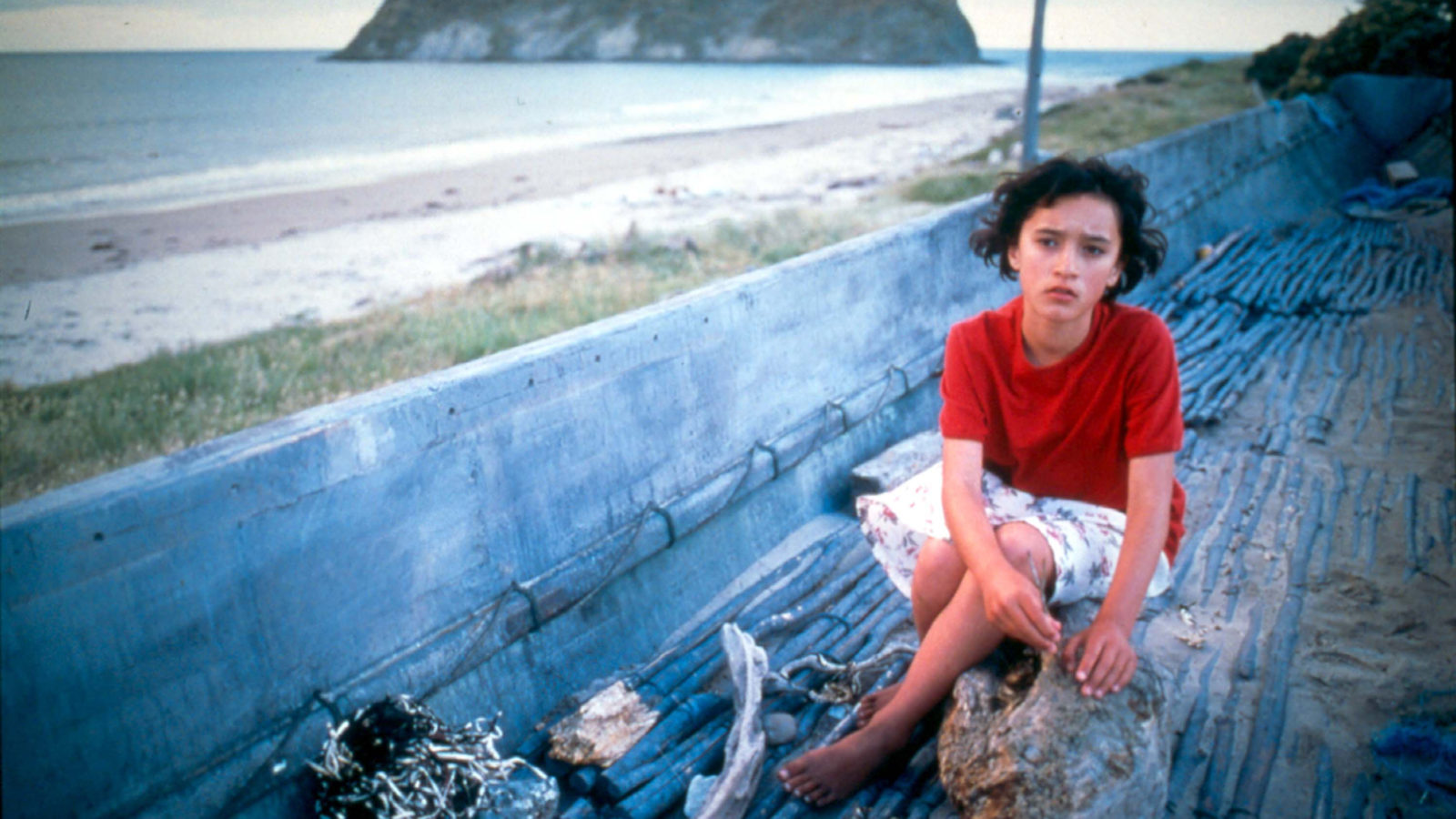
According to legend, Paikea, the ancestor of the Maori people of New Zealand’s east coast, arrived on the back of a whale who rescued him when his canoe overturned. For more than a thousand years, a male heir born to the chief has succeeded him to the title. But in the fictional Whale Rider, set in the present day, this ancient line of succession is finally broken. The wife of Porourangi (Cliff Curtis), eldest son of chief Koro (Rawiri Paratene), gives birth to twins but dies in labour along with the male heir. Grief-stricken, Porourangi leaves for Germany, where he becomes a feted artist. His daughter, named Pai (Keisha Castle-Hughes), is raised by her grandparents. Although she soon develops an interest in her Maori culture and history, Pai is spurned by bull-headed Koro who says he has no use for her. Fearing that catastrophe will descend upon his people, he decides instead to choose a future leader by tutoring the village’s 12-year-old boys in those great tribal arts of shouting, stick-wielding and scary face-pulling.
There are no prizes for guessing where this is leading, but Caro navigates a skilful path around the pitfalls of ‘uplifting’ sentiment as the story builds towards Pai’s dramatic fulfilment of her destiny. By far the film’s greatest asset is young Keisha Castle-Hughes, who brings an extraordinary maturity to her heartbreaking central performance as the girl whose love for her grandfather is undimmed by his repeated rejection.
It’s back on screen in the Watershed’s April Sunday brunch Celebrating Female Composers season to highlight Australian musician Lisa Gerrard‘s otherworldly score.
 Our newsletters emailed directly to you