Your say / young people
‘Young people are not short of ambition, they are short of opportunity’
Alan Milburn’s report confirmed something I have seen building for many years.
Nearly one million 16 to 24-year-olds are now not in education, employment or training.
If current trends continue, that figure could rise to 1.25 million within five years.
In Bristol, the picture feels even sharper.
Our not in education, employment or training (NEET) rate is around six per cent, compared with a national average of 3.4 per cent, making it the third highest among England’s major cities.
Bristol is often described as a growing, prosperous and creative city. In many ways, it is.
But beneath that story sits a hidden equality gap. Young people are paying the highest price.
The first thing we need to challenge is the label itself.
NEET was once used to describe a narrow group of young people facing complex barriers.
It has since become a catch-all for almost anyone under 25 who is not in work or education.
The danger is that it quietly suggests young people need fixing.
They do not.
What they need is access, belief and the chance to nurture and apply their talent.
Milburn rightly pushes back against the idea of a “snowflake generation”.
His research found that 84 per cent of young people classified as NEET want to work.
That matches everything we see at Babbasa. These young people are not short of ambition. They are short of opportunity.
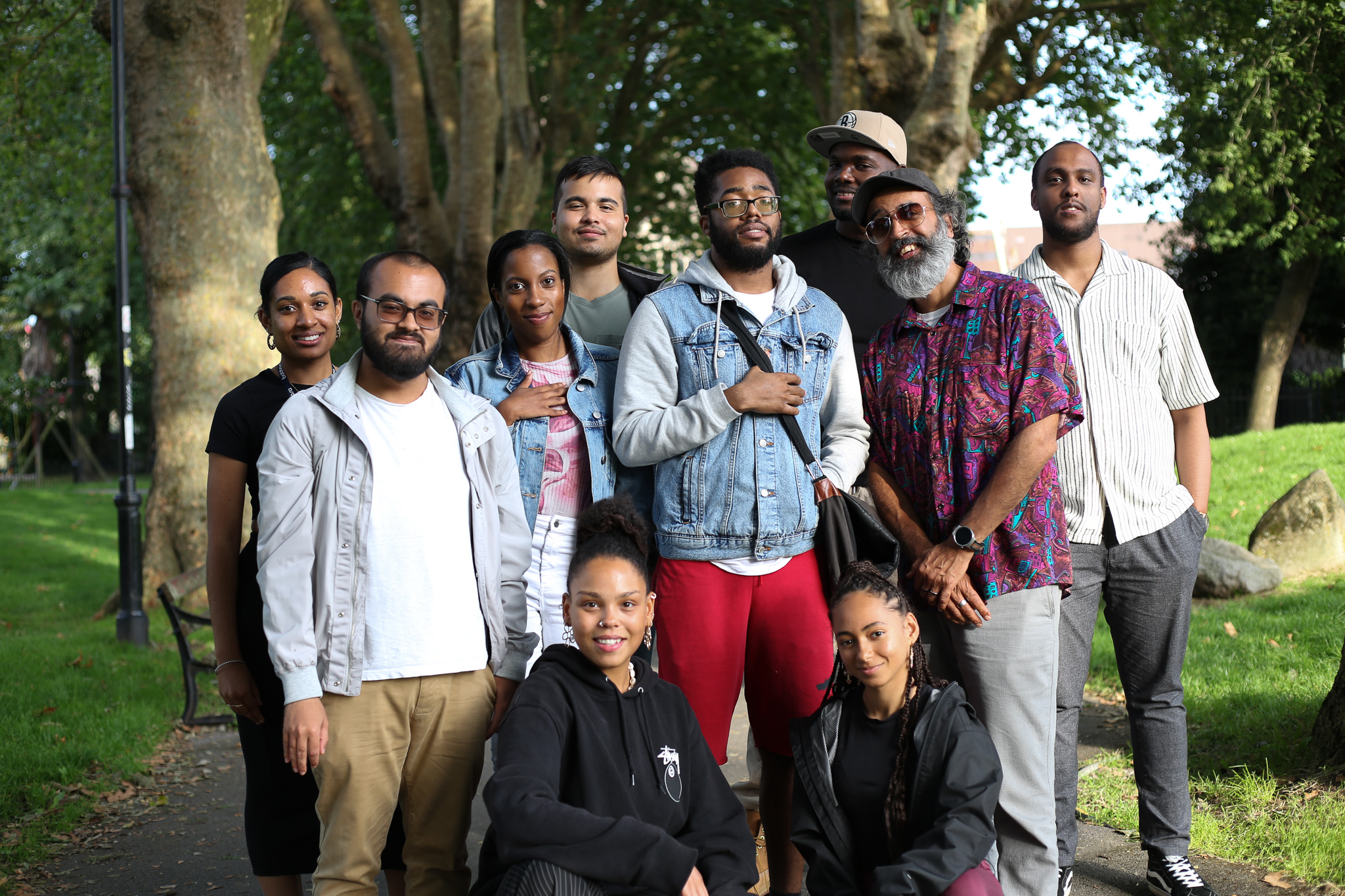
Since founding Babbasa in 2010, Poku has helped empower thousands of young people from underrepresented and ethnic minority backgrounds – photo: Babbasa
A broken architecture
Milburn’s central point is that the architecture around young people is broken.
Education, health, employment support and welfare often operate in silos.
No one is clearly accountable for whether a young person actually makes it through.
We see this in Bristol too.
There are organisations doing excellent employment work across the city.
But there is not enough coordination between them, not enough shared learning, and not enough strategic connection with the regional and city authorities responsible for tackling this issue.
Too often, Bristol launches something new before properly evaluating what came before.
We fund the next initiative instead of building on what already works.
Transport is another very real Bristol barrier.
Getting from Easton to Filton or Avonmouth, or from south Bristol to a work experience placement in Lawrence Hill, can be complicated, unreliable and relatively expensive.
For a young person with limited money, these are not minor inconveniences.
They can be the difference between taking up an opportunity and watching it disappear.
We also need to take social media more seriously.
Disrupted sleep, shortened attention spans, anxiety, comparison and rejection all affect how young people experience the job market.
When a young person gets knocked back from an application, it is easy to retreat into a phone for comfort rather than move confidently into the next opportunity.
That is not a character flaw.
It is part of the environment they are growing up in, and it should be treated as a policy issue, not just a parenting one.
What actually helps
After 16 years of working with young people in Bristol, I have learnt that the answer is not complicated.
Young people need three things.
They need a trusted adult who stays with them through the hard parts.
Not just an institution, but a person they respect, a teacher, mentor, youth worker or coach, who is consistent in their belief and support.
They need a community of peers who are also trying, so effort and setbacks feel normal rather than shameful.
And they need a real first step into work, whether that is paid employment, work experience, a placement or a meaningful project.
Milburn writes that the bottom rungs of the career ladder have been kicked away.
Entry-level roles are increasingly screened by algorithms.
Work experience still often depends on who your parents know.
For a young person from a less advantaged background in Bristol, the ladder simply starts too high.
We must acknowledge the dynamics of race and ethnicity
There is another issue that deserves more attention than it received in the report: race and ethnicity.
Most employers want the best talent for the job.
But research and lived experience both show that the colour of your skin, the name on your CV, your accent and even your postcode can influence how you are perceived.
These things affect recruiters’ decisions. They also shape the confidence and self-belief of young people from ethnic minority backgrounds.
That is why employment support must be socially nuanced and culturally sensitive. A generic approach will not reach everyone equally.
Employers need support too
Milburn also found that employers are not unwilling to help.
Many are nervous as a result of high employment costs and tough business conditions, meaning taking a chance on someone with potential but limited experience can feel risky.
The answer is not to expect employers to solve this alone.
We need to build better bridges between ambitious young talent and the businesses that can benefit from them.
For many SMEs, offering a full apprenticeship programme may feel out of reach.
But they may be able to receive guidance on attracting diverse talent, improve onboarding, learn how to get the best from Gen Z employees, or offer a work opportunity through a programme like the Babbasa Launch Academy.
Businesses are under real pressure.
Our job as a city is to make it easier for them to support young people, not harder. Milburn’s report is a diagnosis.
His recommendations will come later in 2026. But Bristol does not need to wait.
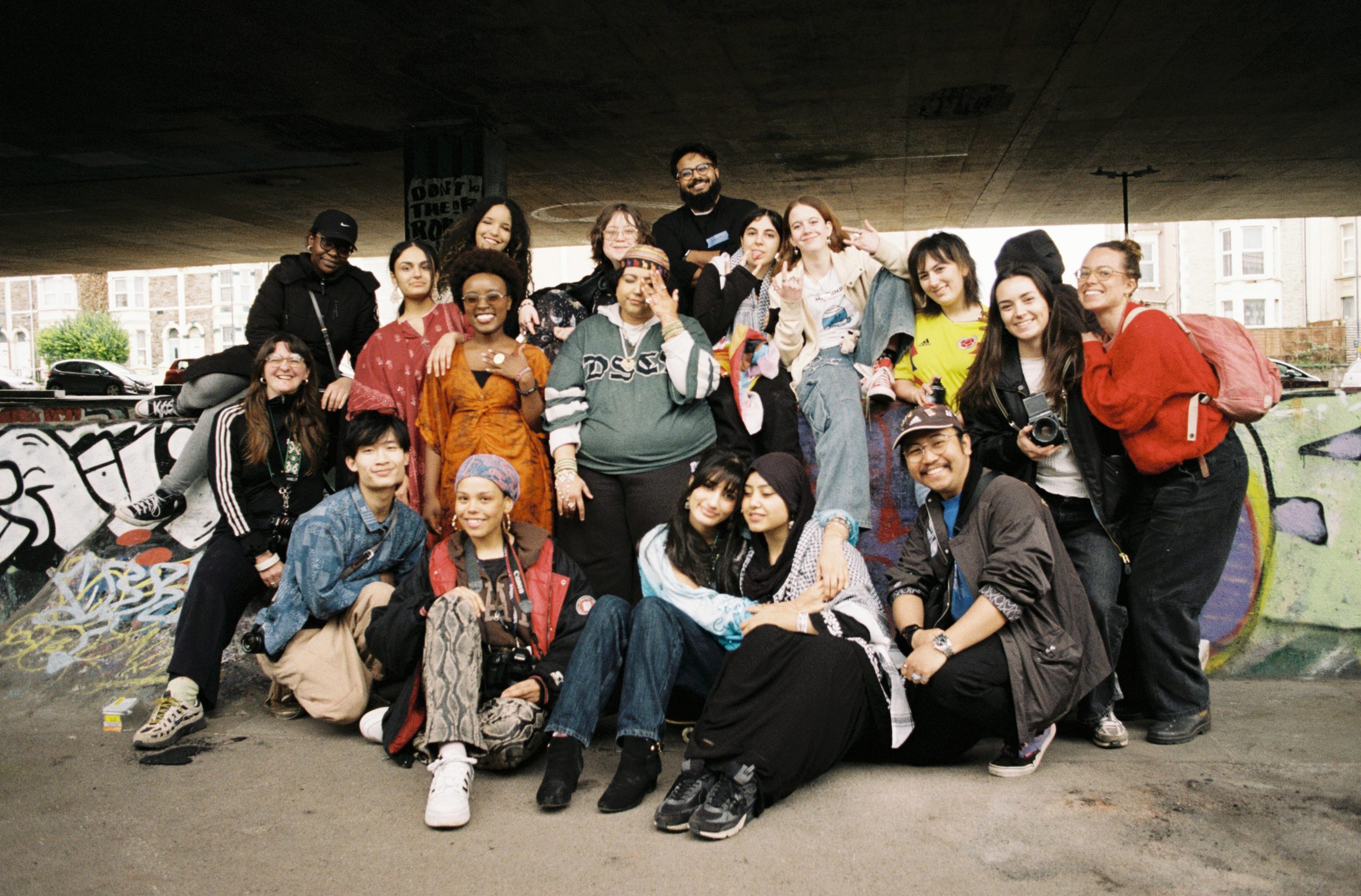
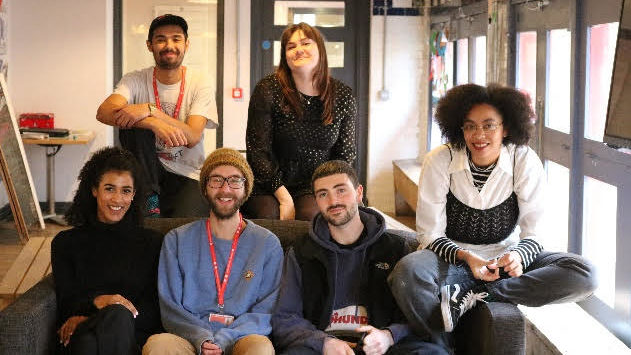
A recent project from Babbasa’s cohort was ‘Being Brit-ish’, a photography exhibition exploring identity, belonging and migration – photo: Being Brit-ish
Leading the way forward
In line with Bristol’s OurCity2030 vision, Babbasa is rolling out the Babbasa Launch Academy, which opens its first cohort this July.
It builds on our previous youth empowerment programmes and is designed to prepare young people for real opportunities with employers.
Over eight weeks, we will work with young people aged 18 to 25 from low-income and predominantly ethnically diverse communities.
We will help them build confidence, develop workplace skills, meet employers and access suitable work experience opportunities.
The aim is simple, to tackle youth unemployment while addressing the disproportionate barriers faced by minority communities.
Since 2013, more than 4,500 young people have come through Babbasa’s doors.
In every one of them, I have seen ambition and hunger for a chance the system has not yet provided.
This is not a lost generation.
It is a generation trying to find its way in a city that already has the talent, creativity and resources to back them.
The question is whether we choose to build a system worthy of their potential.
Get involved
Babbasa’s new youth programme, Launch Academy, launches this July.
If you are a young person looking for your next step, or an employer who wants to open doors for emerging talent, find out more and register your interest here.
This is an opinion piece by Poku Osei, founder of youth empowerment not-for-profit, Babbasa
Main photo: Poku Osei
Read next:
 Our newsletters emailed directly to you