Features / road safety
Are big cars blighting Bristol?
They are calling it ‘carspreading’.
Across Bristol, where road space is at a premium, the sight of wider, longer, higher and heavier vehicles is becoming an increasingly familiar sight.
Yet while cars continue to grow, our city’s streets and parking spaces remain the same size.
The shift has been driven largely by the rise of SUVs, sports utility vehicles, now the UK’s best-selling type of car.
The growing dominance of these vehicles has profound consequences, according to a new Bristol campaign which raises questions about how space is shared in cities, environmental impact and, most importantly, road safety.
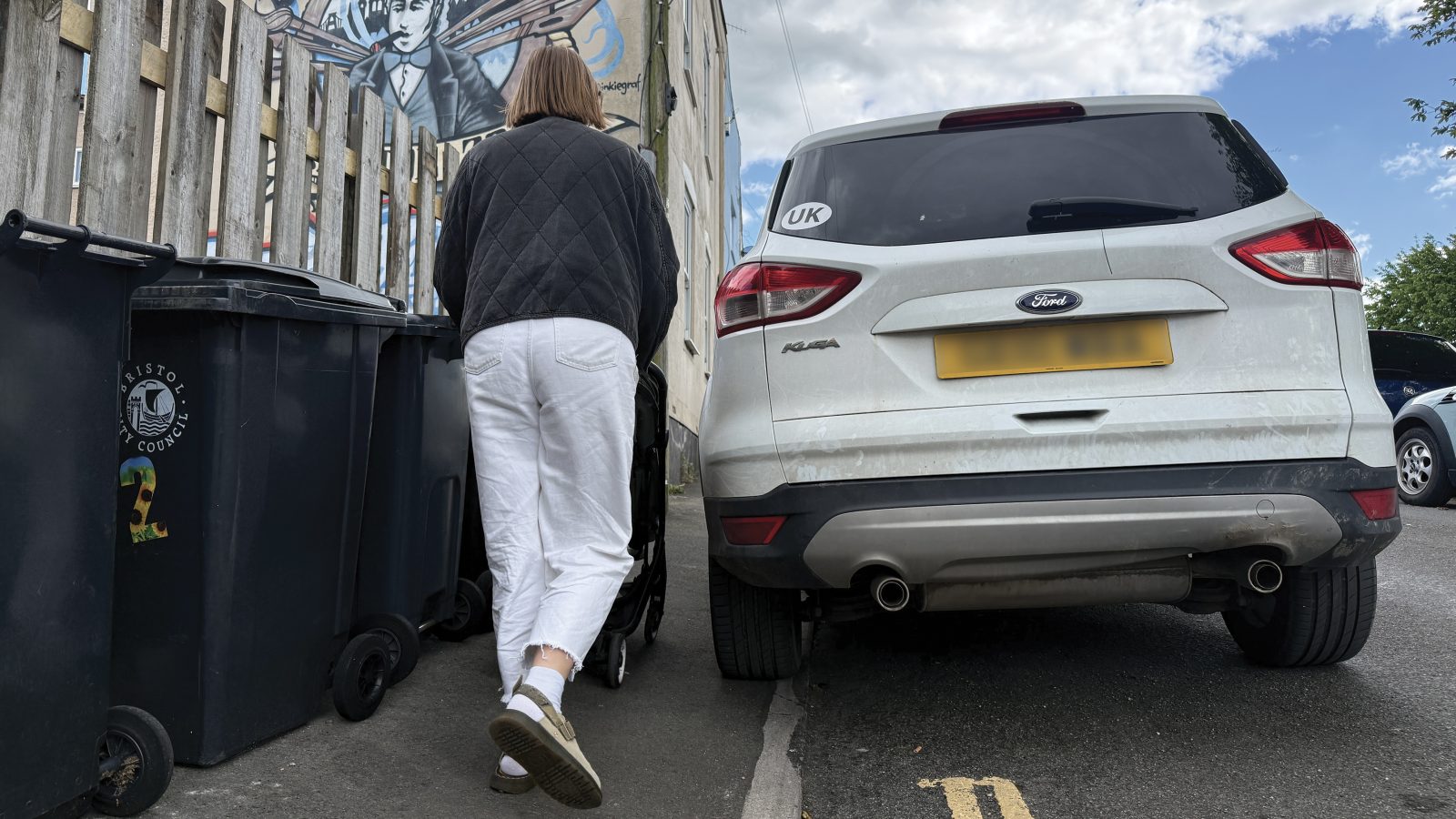
SUVs take up more physical space than most cars – photo: Betty Woolerton
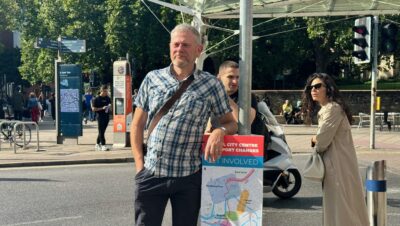
“Whether you speak to policymakers or members of the public, it’s something we’re all familiar with in Bristol,” said James Ward, from Bristol Against Carspreading.
“Bigger cars are trying to squeeze through narrow streets that just weren’t built for them. It’s an issue for all sorts of reasons.”
A study by the European Transport Safety Council found that in a collision between a modest-size SUV weighing 1,600kg and a lighter car weighing 1,300kg, the risk of fatal injury decreases by 50 per cent for occupants of the heavier car but increases by almost 80 per cent for those in the lighter vehicle.
Pedestrians and cyclists are also more vulnerable. Vehicles with higher bonnets, a common feature of SUVs, which combine features of a passenger car with an off-road vehicle, are more likely to cause fatal injuries.
Research from Belgium’s Vias Institute found that a 10cm increase in bonnet height can raise the risk of death for vulnerable road users by 27 per cent.
Bristol campaigners are fighting against the increase in large vehicles on roads, which cause more pollution and are more likely to cause fatalities if involved in a collision – photo: James Ward
Ward also pointed to UK crash data showing that while the increased fatality risk for adults hit by SUVs is relatively modest, the impact on children is far greater, particularly for those under ten, who are more than three times as likely to be killed.
“It’s quite an unpleasant logic,” said Ward.
“You put your child in the back of this big car to keep them safe but, in doing so, you’re making everyone else on the road less safe, including other children.
“But of course, that doesn’t get mentioned in the advertisement or in the marketing.”
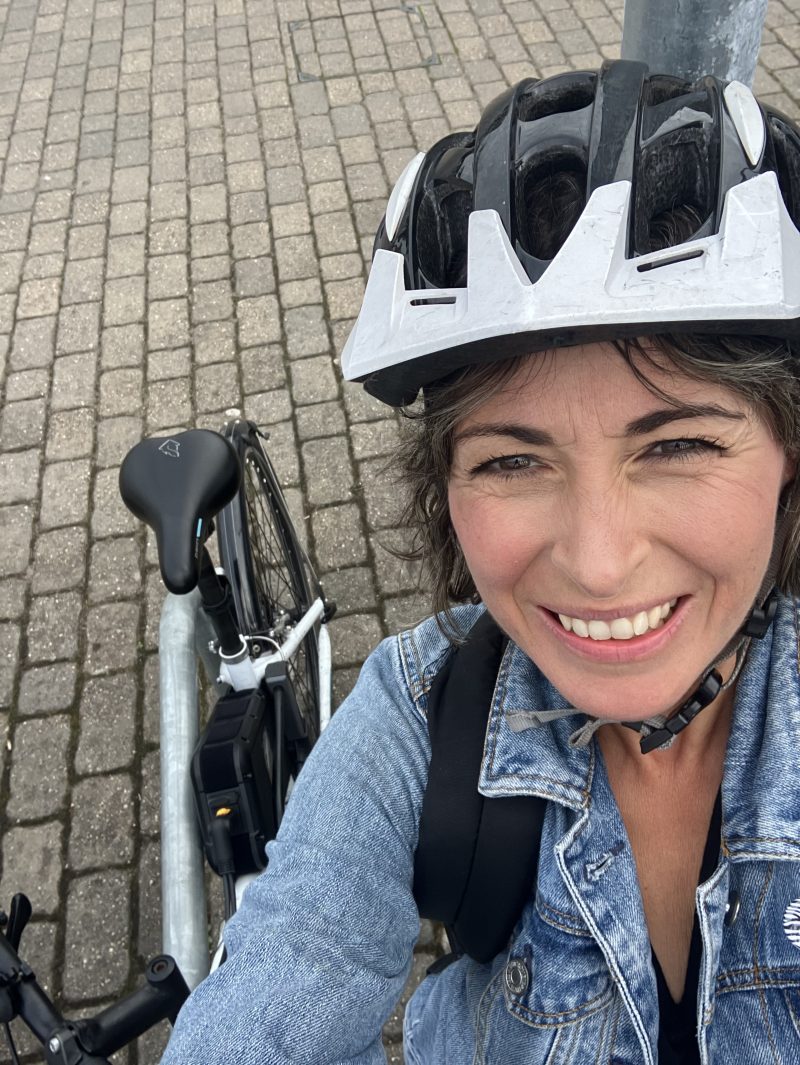
Chloe Naldrett backed the idea of charging more for larger, more polluting vehicles – photo: Chloe Naldrett
Bishopston-based Chloe Naldrett, a theatre producer, climate activist and mother of two, has spent the past nine years getting around Bristol by bike, bus and train with her two sons, now 16 and 13.
She told Bristol24/7 that, over this time, she has noticed a clear shift in the size of vehicles.
“As a cyclist, I feel really intimidated by the size of vehicles that are passing me,” she said. “And I’m absolutely terrified for my children… navigating roads with that size vehicles passing them all the time.”
Naldrett chooses quieter routes over main roads, but said she still feels “very crowded out”.
She backed the idea of charging more for larger, more polluting vehicles. “If you’re doing more damage, you should be paying more,” Naldrett said.
“If you pollute more, pay more – that feels really straightforward and equitable to me.”
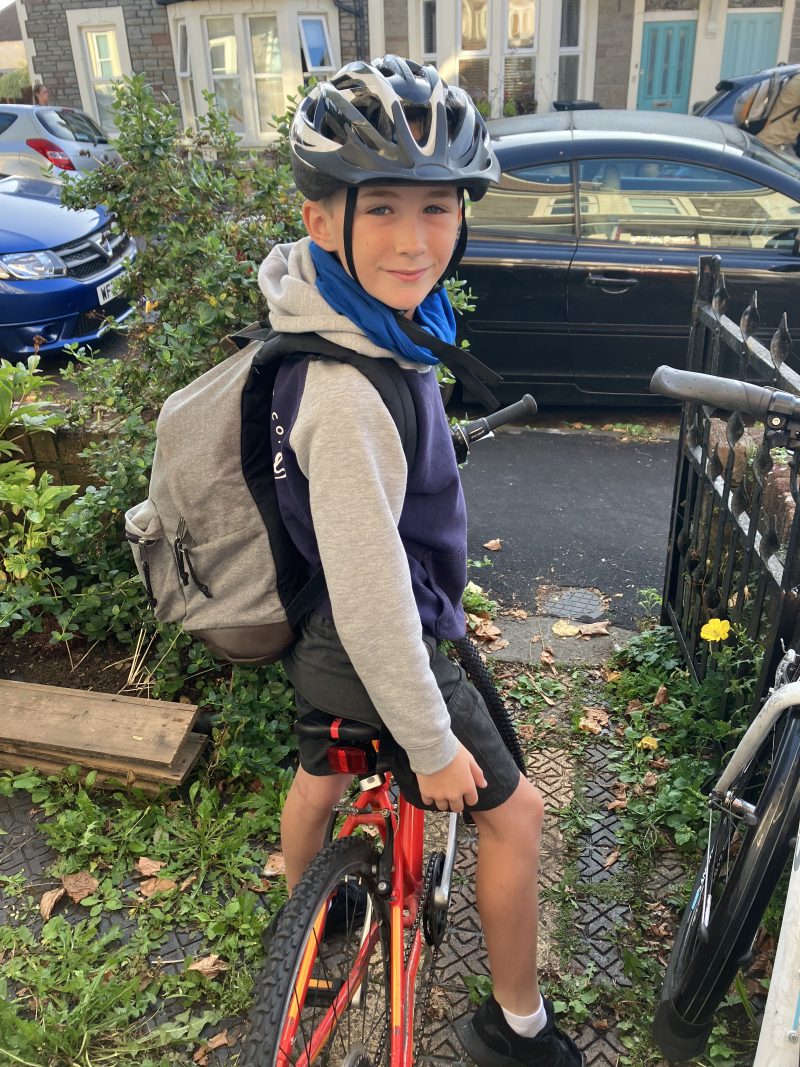
Research indicates that children are 77 per cent more likely to die if struck by an SUV compared to a standard car, often due to higher bonnet lines – photo: Chloe Naldrett
Sales of these vehicles are booming. An analysis by Transport & Environment UK found that 1,145,456 SUVs were sold in 2024, out of a total of 1,835,349 cars.
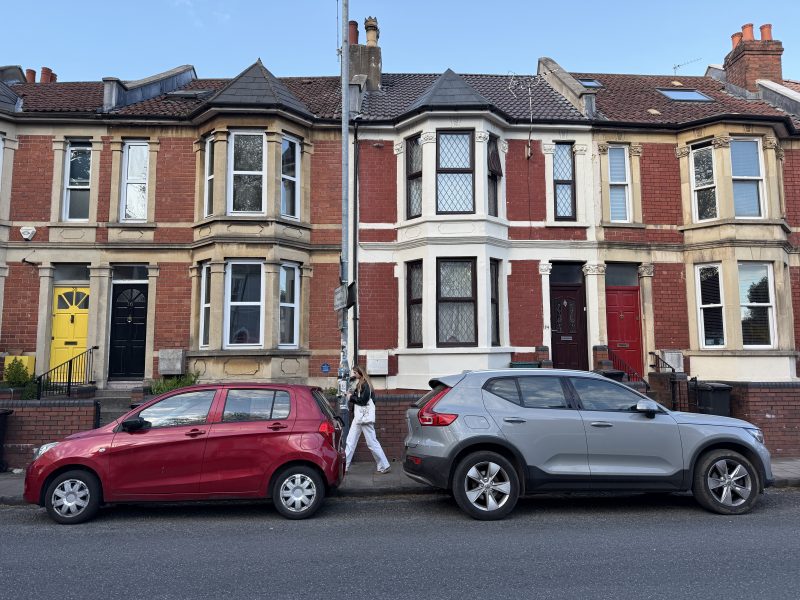
Researchers at the campaign network Clean Cities found that, since 2021, 4.6 million cars have been sold in the UK that are bigger than a typical urban car parking space.
The reason SUVs have become more and more popular boils down to the lure of higher profit margins from car companies, said Ward, rather than individual consumer demand: “People want bigger cars because they’re more practical, because they’re safer or whatever it might be.
“There is some truth to that. But people had big families, 15 years ago, right? People had dogs 15 years ago, too. And we weren’t all driving Range Rovers.”
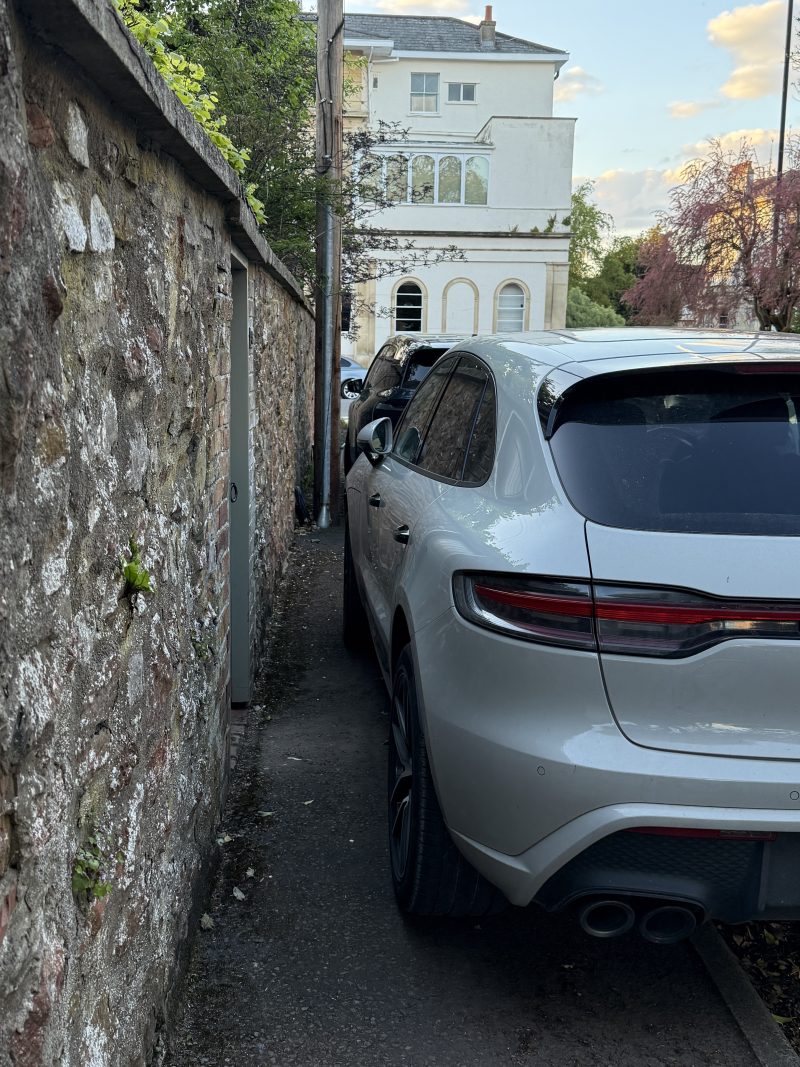
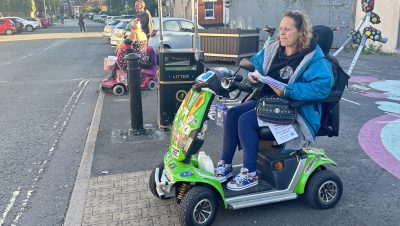
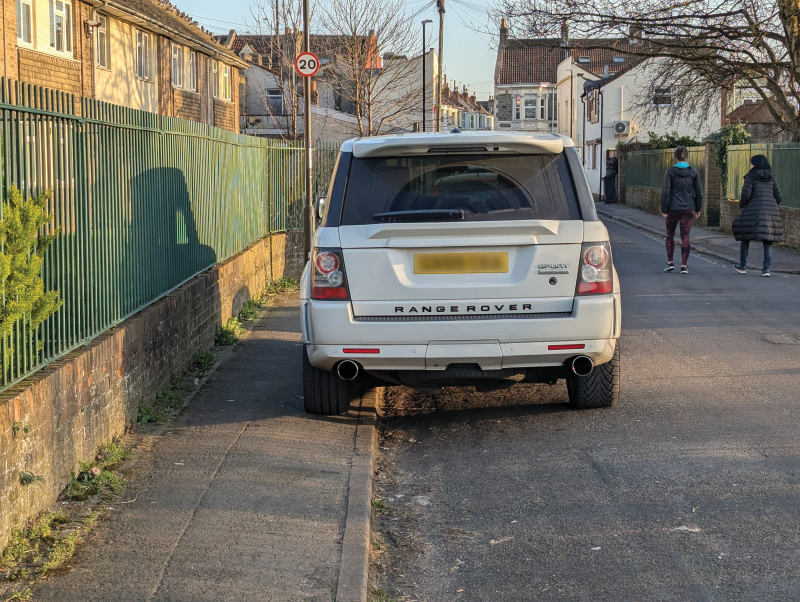
Parking on the pavement is not illegal outside of London and Scotland – photo: Betty Woolerton
He went on: “But it is about the car industry and what they’re producing, selling and what they’re marketing.
“I want (the campaign) to bring it away from a point where we’re blaming individual people for the car that they choose, because that choice is just so determined by factors beyond our control.”
Ward argued that the issue isn’t limited to petrol and diesel cars. While he was careful not to position himself as anti-electric vehicle, he pointed out that many EVs entering the market are also large SUVs.
This creates what he described as a “double whammy”: they are bigger in size and heavier due to their batteries, increasing the risk they pose on the road.
As a result, he suggested that while switching to electric may address environmental concerns, it does little to reduce the safety issues associated with larger vehicles meaning electric SUVs should be scrutinised in the same way as their petrol and diesel counterparts.
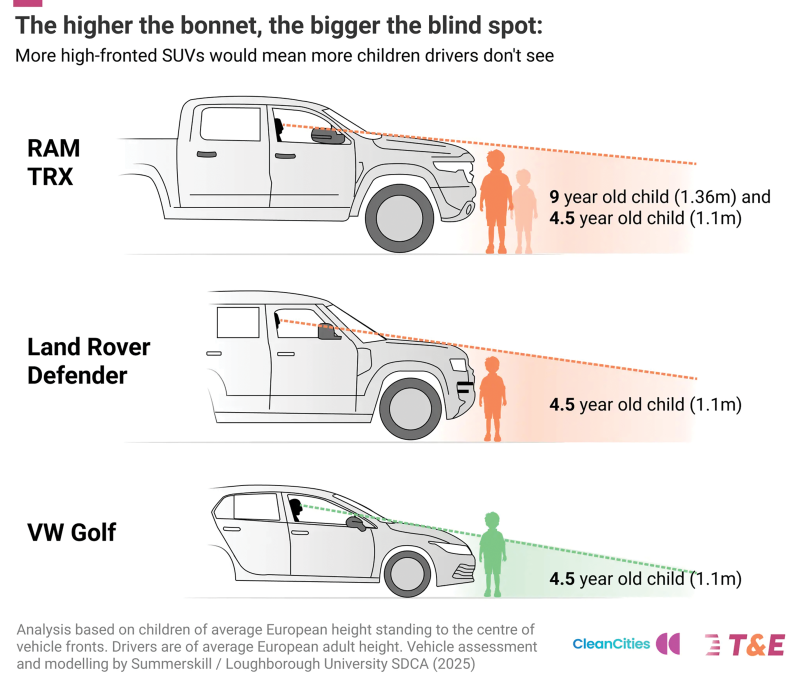
The higher the bonnet, the bigger the blind spot – image: Transport & Environment
The Bristol Against Carspreading campaign is calling for strict measures to be imposed on car owners.
Organisers say that if a car takes up more parking space and poses more danger to pedestrians, cyclists and other car occupants compared with smaller vehicles, then it is only fair that its owner pays more for driving that vehicle.
While no council has yet to ban the vehicles, some have started to introduce increased parking fees.
In October last year, Cardiff City Council became the first in the UK to impose a parking premium for residential parking permits for vehicles weighing over 2.4 tonnes fully laden because their cars “take up more parking space and are a danger to other road users”.
The Labour-controlled council said: “These heavier vehicles typically produce more emissions, cause greater wear and tear on roads, and critically pose a significantly higher risk in the event of a road traffic collision.”
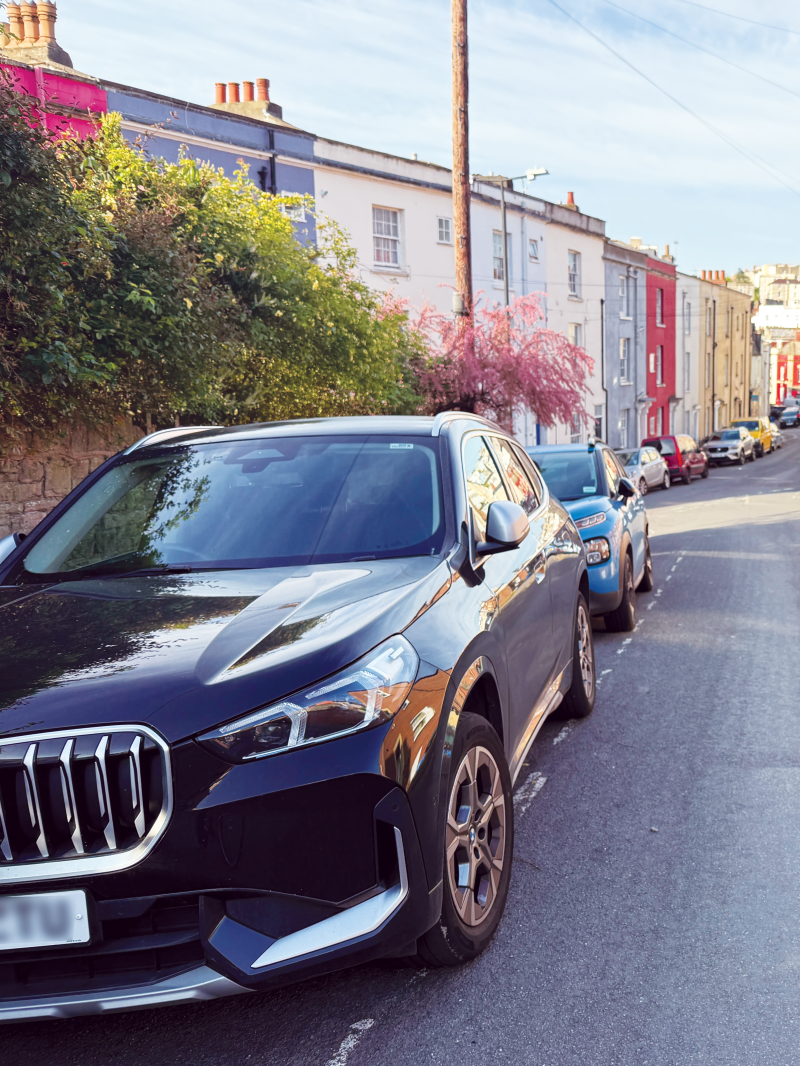
Since 2021, 4.6 million cars have been sold in the UK that are bigger than a typical urban car parking space – photo: Betty Woolerton
Could a similar policy be introduced in Bristol?
“It is not currently council policy, but it’s definitely something we’re looking at,” said Ed Plowden, chair of Bristol City Council’s Transport and Connectivity Committee, who described a growing recognition of the problem but also the limits of what councils can currently do.
He pointed to parking policy as a possible lever available to the council.
“They’re heavier, they’re more dangerous, they’re more polluting,” Plowden said. “So they’re all things that we want to control for, and they’re all things that our current policy said that we need to get on top of.”
Asked what could realistically be done, Plowden said: “It would be to introduce probably weight-based parking charges in the UK.
“We can’t do that to raise revenue, but we can do that because they are more dangerous. They’re more likely to cause a collision or a crash, and more people are more likely to be hurt if in those crashes.”
Plowden sees the issue as part of a wider challenge facing the city: “We’d like to see a reduction in traffic, not just for climate emergency, not just for air quality and people’s health, but also for to make the city work, because we’re one of the fastest growing cities in Britain and we have a footprint which is fairly fixed.
“And if we’re going to get more people to move around, we’ve got to get people out of their cars where we can, and not everyone can, and into different forms of either public transport or mass transit.”
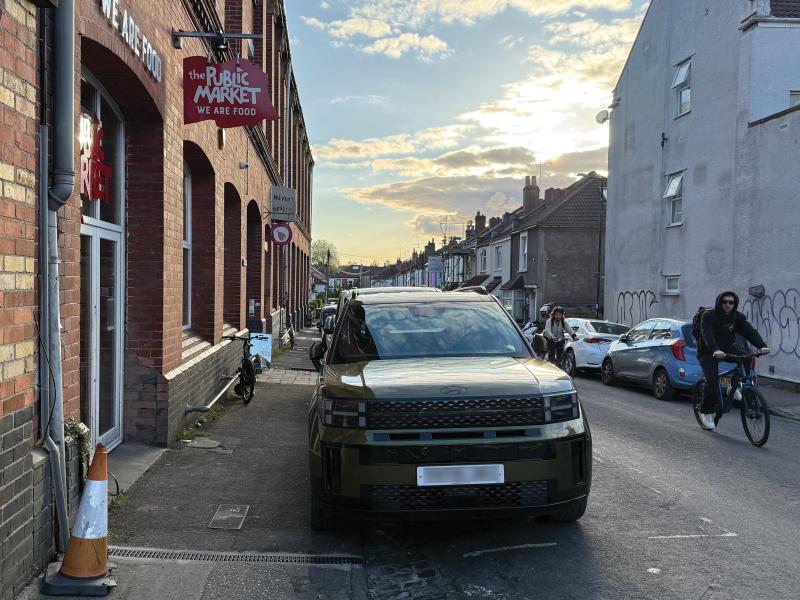
Despite concerns over danger, SUVs remain popular, with their market share in the UK exceeding 40 per cent- photo: Betty Woolerton
Ward agreed the council have limited powers but believes they can still play a key role: “The council can’t just ban big cars, even if that was a good idea, which I don’t think it would be. But the powers that they have, they can influence parking charges, which can act as a big disincentive to the kind of vehicles that people choose to drive.”
Ward also suggested tighter controls on advertising could also help the situation: “Bristol is already quite progressive on advertising.
“There are restrictions on junk food, on alcohol, gambling ads and adding in, you know, SUVs into that would be, I think, a very fitting addition to that list.”
For opponents who see such measures as part of a wider ‘war on motorists’, Ward argued the focus is misplaced.
“It’s just a challenge to this industry-led skewing of what is considered normal for drivers. We’re not trying to stop people from driving.
“We’re not saying that driving is a bad thing. We’re saying that this industry-led push to bigger, heavier, wider and more dangerous cars is bad for everyone, and we need to reverse it.”
This article originally appeared in Bristol24/7’s May/ June 2026 magazine
Main photo: Betty Woolerton
Read next:
 Our newsletters emailed directly to you