Homes and Gardens / Advertising Feature
Planning Outdoor Improvements That Add Lasting Value to Your Home
The garden used to be where the mower and other tools lived, and nobody gave it much more thought than that. Not anymore. For plenty of people now, it’s turned into a real extension of the house, somewhere to relax, get some work done, have people round, or just sit with family at the end of the day.
Buyers have clocked the same shift. A garden that’s been properly thought through doesn’t just make your life better while you’re in the house. It tends to help when you’re trying to sell it too. The real trick is picking improvements that still make sense a decade from now, not the ones that look great in a listing photo and feel dated by next spring.
Looking Beyond Indoor Renovations
Stop treating the garden like it only earns its keep in July. Think about what it could do for you the other eleven months.
Add somewhere comfortable to sit. Build paths that don’t turn to mud after one wet week. Use lighting that’s actually been considered. Go for backyard buildings that’ve been designed with purpose rather than dropped in a corner because that’s where it fits.
is needed now More than ever
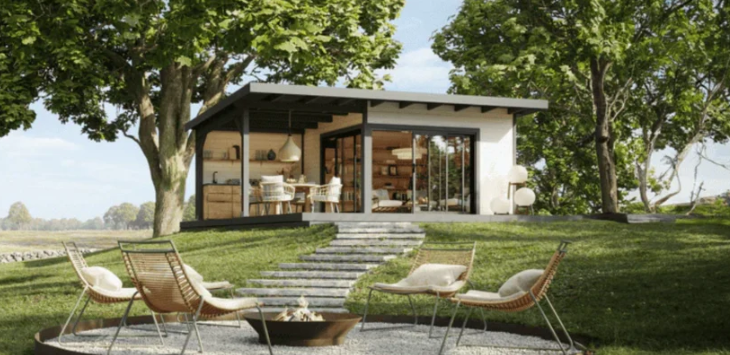
A small garden room makes the case for flexibility better than most things. Starts life as a hobby room, say, becomes a home gym a couple of years later, ends up as storage once that phase passes too. That kind of give is usually worth more, long run, than something built to do exactly one job and nothing else, forever.
The better improvements are the ones that are a little less obvious. Wide doors opening onto proper seating or a covered terrace shrink the gap between house and garden. It is what makes staying outside as comfortable as staying in because there’s no friction stopping you.
Creating Functional Outdoor Zones
Treating the whole garden as one big, undivided space is a common mistake most people make. Split it into zones instead and, weirdly, it tends to feel bigger, not smaller, and a good deal more enjoyable to actually sit in.
Think honestly about what your household does out there. Dinner outside on a warm evening, maybe. A quiet corner for reading. Somewhere safe for the kids to run around while you half-watch from a chair nearby. Give each of those its own patch and the garden stops feeling like a jumble and starts feeling planned.
Storage is another thing everyone forgets until it becomes a problem. Tools, bikes, cushions that only come out half the year, the box of Christmas lights that lives somewhere for eleven months doing nothing. All of it needs somewhere dry. Plan for that from the start and the rest of the garden stays a garden instead of turning into a dumping ground for things with nowhere else to go.
Working from home has changed a lot of people’s thinking here as well. A proper outdoor office gets you real privacy, fewer interruptions, and an actual boundary between work and the rest of your life. You get somewhere to work without giving up a room in the house you’d rather use for anything else.
Whatever zones you land on, keep them connected. Similar materials, a colour palette that blends well, small details that repeat here and there. It’s what stops the whole garden from looking like three separate projects done over three separate years, which, let’s be honest, is usually exactly what happened.
Choosing Improvements That Stand the Test of Time
Real value tends to come from durability and choosing stuff you’ll genuinely use. Good materials cost more going in, no getting around that, but they usually need less maintenance and stay decent-looking for a lot longer. Natural stone. Timber that’s actually been treated properly. Finishes that can take real weather. All of it ages better than the cheap version that needs replacing in three years anyway.
Flexibility matters every bit as much as how well something’s built, maybe more. What you need right now isn’t what you’ll need later. Kids grow up, and families change shape without much warning. A space that can move with all that tends to hold its value a lot better than something built to do one very specific thing, very well, and nothing else.
Planting also needs more thought than it usually gets. A few mature trees. Shrubs picked with some care instead of grabbed off a shelf. Planting that shifts through the seasons. That kind of garden looks decent most of the year and doesn’t ask much of you. Set that against beds full of fussy, delicate plants that need constant attention, and it’s really not much of a contest.
Renovating with Lifestyle in Mind
The improvements that actually stick start with how you live, not with some picture in your head of what a garden’s meant to look like.
If weekend barbecues are a fixture in your house, spend the money on a dining space with real shade and lighting that still works once it’s dark out. If gardening’s your thing, leave room for raised beds, or a greenhouse if you’ve got the space for it. If you work from home, make sure that outdoor office has proper power, real insulation, and enough light to actually sit in come November, not just during the one decent month of summer.
Don’t plan only around good weather either. A garden still needs to feel welcoming when it isn’t warm. Covered seating. Lighting that sets a mood instead of lighting the place up like a car park. Something that cuts the wind. Evergreens that don’t just vanish the second winter shows up. All of it keeps the space worth using well past the hot stretch of the year.
Conclusion
Outdoor improvements done properly do more than make a place look good for a listing photo. They give you something that actually fits how you live, bends when your needs do, and adds real appeal to the home beyond whatever’s in the pictures. Stick with layouts that make sense, materials that hold up, and choices that reflect your own life rather than somebody else’s Pinterest board. Whether it’s a handful of small changes or a full overhaul, choosing what lasts over what’s trending is still one of the smarter calls you can make for your home.
Main image by Palmako, Lemeks Group
 Our newsletters emailed directly to you