Directory / Advertising Feature
Why People Still Love Playing the Same Numbers Every Week
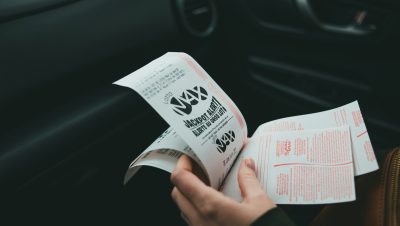
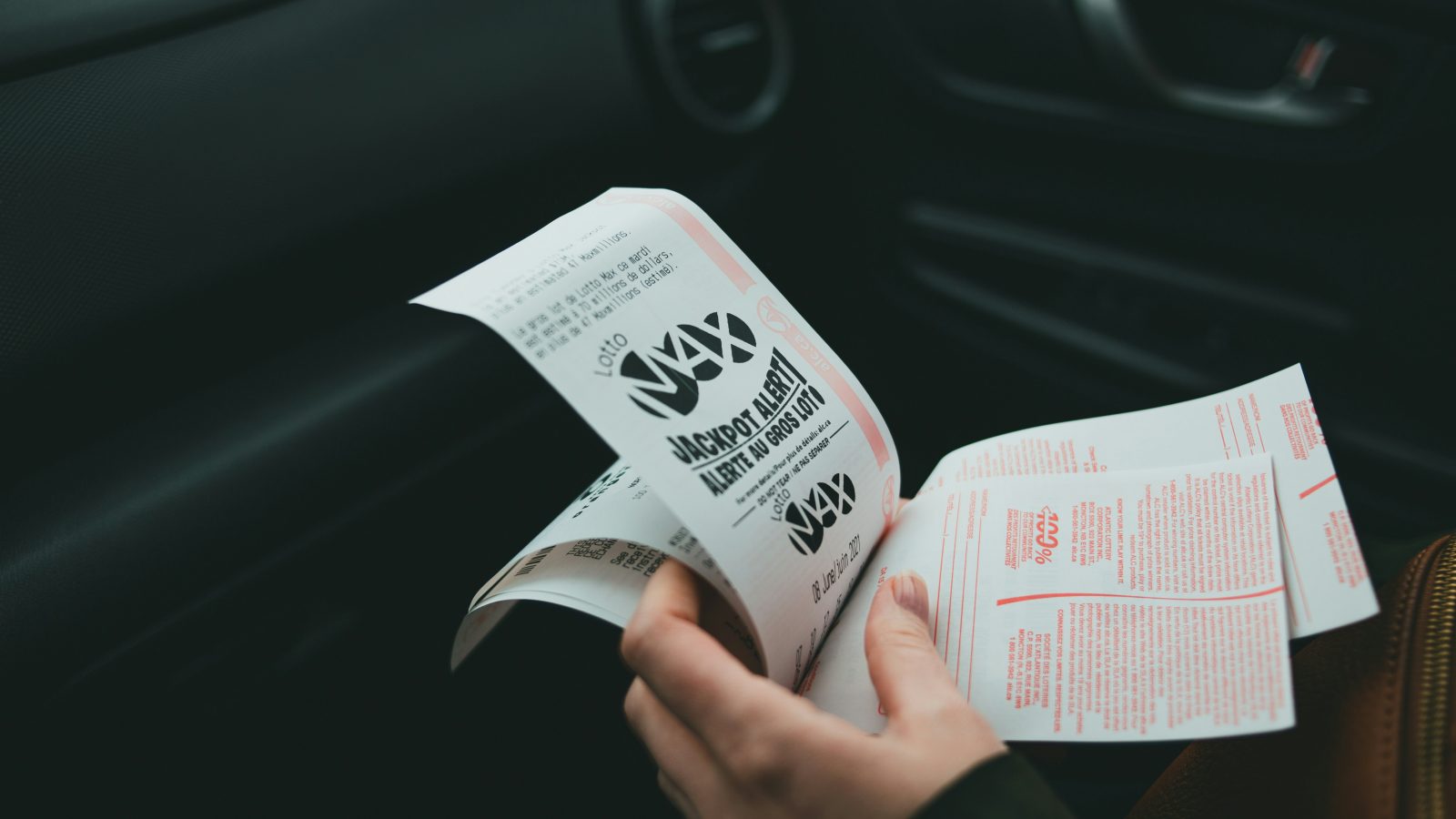
Every Saturday morning, in newsagents across Bristol from Bedminster to Bishopston, the same scene unfolds. Someone stands at the counter, pen in hand, carefully marking the exact same boxes they have marked for the last decade. It’s a quiet, almost meditative routine. Even as the world moves toward digital apps and quick-pick buttons, a huge number of us cling to our “special” numbers. Why do we do it? Why stay so loyal to a set of digits that, mathematically speaking, have the same chance of appearing as a random sequence of ones and twos?
The Comfort of the Known
Psychologically, it’s rarely about the math; it is about the narrative we build. We use birthdays, house numbers, or the ages of our children because these numbers feel like they belong to us. There’s a certain warmth in that. If those numbers were to actually win, it would feel like the universe was acknowledging our personal history.
Some choose the same numbers for years and wouldn’t dream of changing them. This habit is a staple of weekly rituals; for many, it’s why the Irish Lottery remains such a firm favourite, as tradition often beats logic. Whether you’re heading to the local newsagent or using Lottoland to access international draws, the impulse remains the same: the ‘what-if’ dread that if you skip your numbers just once, that will be the night they finally roll out of the machine.
Control in an Unpredictable World
Let’s be honest, life feels pretty chaotic sometimes. We can’t control the traffic on the M32 or the weather on a Bank Holiday, but we can control our selection. Choosing your own numbers provides a tiny, perhaps illusory, sense of agency. Even if the odds are astronomical, having a strategy—no matter how superstitious—feels better than leaving it entirely to a computer’s random generator.
It’s also about the ritual itself. Humans are wired for repetition. We like our morning coffee a certain way, we walk the same route to the park, and we play the same numbers. It becomes a landmark in our week, a small moment of hope that costs very little but offers a lot of “dreaming time.”
is needed now More than ever
The Trap of “Due” Numbers
As we get deeper into the habit, our brains start to play tricks on us. We look at the results and think, “Well, 17 hasn’t come up in months, so it must be due soon.” This is a classic example of what psychologists call the gambler’s fallacy. It is the mistaken belief that if something happens less frequently than normal during a given period, it will happen more frequently in the future. In reality, the balls don’t have a memory. The machine doesn’t know that 17 is “feeling lonely.” Every single draw is a fresh start, completely independent of what happened the week before.
Yet, we keep playing. Maybe it’s not really about the jackpot at all, but about the connection to the people we share those numbers with—the family members whose birthdays make up our lines.
What about you, Bristol? Do you have a set of “uncancellable” numbers that you’ve been playing since the nineties, or are you strictly a random-selection kind of person? Let us know in the comments if your “lucky” digits have ever actually delivered.
Main image by Erik Mclean on Unsplash
 Our newsletters emailed directly to you