Directory / Advertising Feature
What Will Services in the Web3 Era Look Like?
The internet is evolving. Web3, the next phase of online services, promises a decentralised future where users have more control over their data, assets, and digital experiences. Unlike the current web, which is dominated by centralised platforms, Web3 is built on blockchain technology, smart contracts, and decentralised applications.
This shift is set to change everything from finance and entertainment to social media and e-commerce. As more people seek independence from traditional institutions, Web3 services will become a major force in the digital world.
The Future of Finance and Gaming
Web3 is already transforming financial services. Decentralised finance (DeFi) platforms allow people to lend, borrow, and trade assets without banks. Peer-to-peer lending, stablecoins, and decentralised exchanges provide alternatives to traditional financial institutions, offering lower fees and fewer restrictions. Digital identity systems are also evolving, enabling users to control their credentials without relying on government-issued documents.
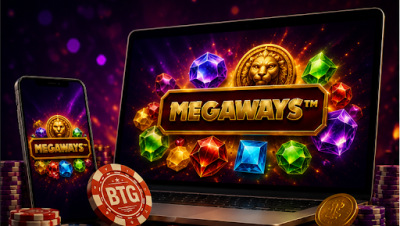
The online gambling industry is another sector embracing Web3. Crypto casinos, especially no-ID verification withdrawal casinos, have become increasingly popular in the UK. According to iGaming expert Edward Thomson, players can deposit and withdraw funds instantly without undergoing lengthy identity checks. This appeals to users who value privacy and fast transactions while offering them the ability to gamble online using crypto, enjoy unique bonuses, and experience better security.
In the Web3 era, these platforms are expected to grow further, with blockchain ensuring fairness, transparency, and security. Smart contracts will enable automated payouts, and decentralised autonomous organisations (DAOs) may even govern future casinos, making them community-driven rather than company-owned.
As regulators struggle to keep up, Web3-based services like these will likely see increasing demand. The appeal of fast, anonymous transactions and provably fair processes ensure they will remain an important part of the entertainment world. For UK players, this represents a shift away from traditional betting platforms towards more flexible and user-controlled options.
Decentralised Social Media and Content Platforms
Social media in the Web3 era will look very different from today’s centralized networks. Currently, platforms like Facebook, Instagram, and Twitter control user data, monetise content, and enforce strict moderation policies. Web3 introduces decentralised alternatives where users own their content and data. Blockchain-powered social networks ensure that posts, videos, and interactions remain under the control of their creators, rather than corporate entities.
Platforms such as Lens Protocol and Mastodon are early examples of Web3 social media. These services eliminate central authority, reducing the risk of censorship and privacy breaches. Users can monetise their content directly through crypto-based tipping or token rewards, rather than relying on ad-driven revenue models. In the UK, where concerns over data privacy are growing, decentralised social media could provide an alternative to big tech dominance.
Another significant shift will be the rise of decentralised content platforms. Musicians, writers, and filmmakers will be able to distribute their work without relying on traditional publishers, record labels, or streaming giants. Web3-based platforms like Audius for music and Mirror for writing already allow creators to publish content directly to their audiences while retaining ownership and earning crypto rewards. This will empower UK-based creators, offering them financial independence and creative freedom.
E-Commerce and the Rise of Decentralised Marketplaces
Online shopping is set to undergo major changes in the Web3 era. Currently, centralized e-commerce giants like Amazon and eBay dominate the market, controlling transactions, setting policies, and collecting vast amounts of user data. Decentralised marketplaces offer a new approach, where buyers and sellers interact directly without middlemen. These platforms use blockchain to ensure transparent transactions and secure payments.
Web3-powered marketplaces allow people to trade goods and services peer-to-peer. Smart contracts handle transactions automatically, reducing the need for third-party oversight. This shift benefits small businesses and individual sellers in the UK, allowing them to operate without paying high commission fees to platforms like Etsy or eBay.
Cryptocurrency payments will also play a larger role in online shopping. With stablecoins reducing volatility concerns, more retailers may accept digital payments without relying on banks or payment processors. This would make cross-border trade easier, reducing costs for both merchants and customers. In the Web3 era, UK shoppers could have access to a wider range of global goods without being tied to traditional payment systems or currency exchange fees.
Digital Identity and Ownership in a Web3 World
One of the biggest transformations in the Web3 era will be how people manage their digital identities. Today, most online services require users to create accounts linked to email addresses, phone numbers, or government-issued IDs. This results in data being stored by centralised entities, increasing the risk of breaches and identity theft. Web3 introduces decentralised identity (DID) solutions that put users in control of their personal data.
DID systems, such as those developed by the Ethereum Name Service (ENS) and SelfKey, allow people to verify their identities without exposing sensitive information. Users can authenticate transactions, log into websites, or prove credentials without relying on central databases. This has significant implications for privacy-conscious users in the UK, where concerns over government surveillance and data collection continue to grow.
Digital ownership is another key aspect of Web3. Through blockchain technology, users can own virtual assets—ranging from in-game items and digital art to property rights and domain names—without central authorities dictating terms.
Non-fungible tokens (NFTs) are a prime example, offering provable ownership of digital assets. This model is expected to extend beyond art and gaming into industries such as real estate and intellectual property, giving individuals greater control over their online presence.
A Decentralised Future is Coming
The Web3 era is set to redefine how people interact with digital services. From finance and gambling to social media and e-commerce, decentralisation will offer greater privacy, security, and autonomy. While challenges remain—such as regulation, user adoption, and technological barriers—the trend towards a decentralised internet is already underway. As the UK adapts to these changes, Web3 services will likely become a fundamental part of everyday life.
Main image https://pixabay.com/photos/business-technology-city-line-5475661/
 Our newsletters emailed directly to you