Directory / Advertising Feature
The Year Dracula Stopped Being the Villain
A new Dracula film made people think about the world’s most famous vampire. This time, the story leans more into his motives, his past, and what makes him tick. That raises a bigger question: why do modern stories keep changing villains we thought we already knew?
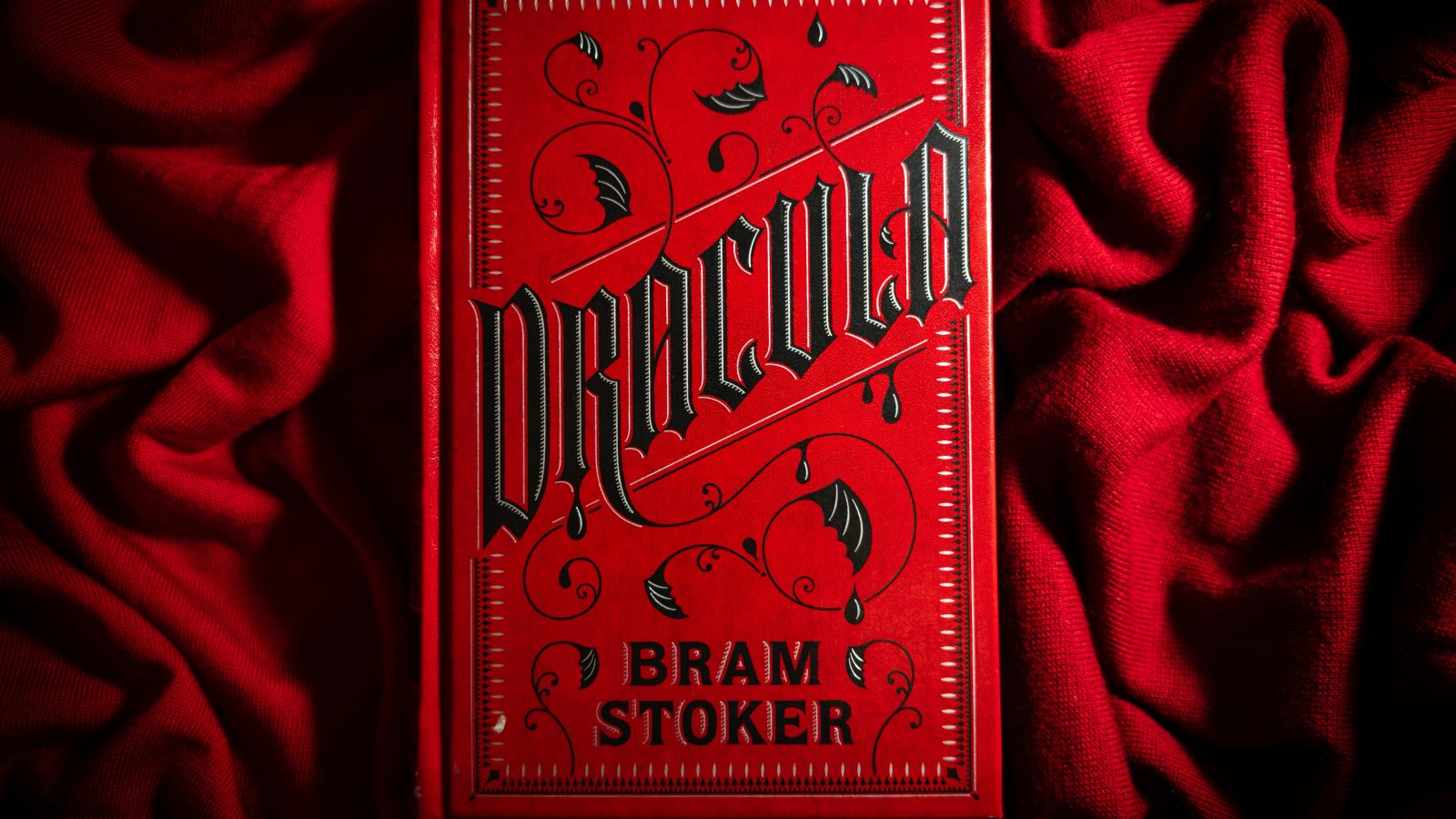
Dracula’s character has been constantly portrayed for over a century. Bram Stoker created him in 1897 as a clear villain, but later versions kept adding new layers. The 1931 film made him stylish and mysterious. Coppola’s 1992 version gave him romance and tragedy. The BBC series in 2020 played with his psychology and dark humour.
Now, this piece will show why Dracula keeps getting rewritten, how villains in general are changing, and what that says about the way audiences see heroes, monsters, and everything in between.
is needed now More than ever
Dracula in 1897 – The Original Villain
When Dracula came out in 1897, Stoker didn’t write the Count as some tragic anti-hero. He was the problem. A rich outsider arrives in London, feeds on people, and spreads panic. Simple as that.
The story leans hard into a Gothic mood. Castles, storms, letters sent in fear, and that slow dread that something is stalking the characters. What made it hit, though, wasn’t just the horror setting; it was what Dracula stood for.
Victorian Britain was nervous about change. Immigration, new technology, and shifting social roles all felt unstable. Dracula shows up as someone foreign, powerful, and impossible to control. That alone made him frightening to readers at the time.
Underneath the vampire story, the book was tapping into real worries:
- fear of outsiders entering British society
- unease around sexuality and changing gender roles
- tension between science and superstition
- the sense that old power structures were slipping
Dracula worked because he wasn’t randomly evil. He felt like a symbol of everything people thought might be going wrong in the world.
Hollywood’s Many Draculas
Once films got hold of Dracula, the character stopped staying the same. Each era tweaked him to match what people found scary (or interesting) at the time.
Bela Lugosi’s 1931 version made him famous. Smooth voice, stiff posture, that slow stare. Christopher Lee’s Hammer films pushed things in the other direction. His Dracula was more physical and more dangerous. Less talk, more bite.
Coppola’s 1992 film showed something new: emotion. This Dracula had a past, grief, and even a love story. More recent TV and streaming versions are still experimenting. The BBC series in 2020, for example, mixed humour, psychology, and modern pacing instead of pure horror.
Across the years, a few clear versions of Dracula keep popping up:
- The seductive – calm, charming, hard to read
- The tragic – shaped by loss or history
- The romantic – driven by love, not just hunger
- The monster – fast, brutal, and frightening
Why Modern Storytelling Softens Villains
Modern stories don’t like simple bad guys anymore. Since the 2010s, films and TV shows have featured more anti-heroes and complex villains with motives. Writers seem to think that audiences want depth.
There’s also a bigger problem in how people see morality. Viewers are more used to grey areas and flawed heroes. Now, people like complex bad guys more.
That’s why monsters keep changing. They often reflect the fears and tensions people already see around them.
The 2025 Reinterpretation – What Changed?
The newest Dracula film (the one that kicked off debate in the New Zealand Herald) doesn’t treat him like a simple monster at all. Directed by Luc Besson and starring Caleb Landry Jones, this version leans hard into the man behind the vampire.
Here, Dracula is grieving. He’s emotional and shaped by his past. The story plays more like a tragedy than a straight horror film.
That’s where the opinion battle comes in. Some audiences like the added depth. Others think it drains the danger out of him.
Either way, it proves one thing: Dracula isn’t fixed anymore. He’s a character people debate, not just fear.
What This Says About Culture in 2026
Stories reflect what people are thinking about at the time. Good and bad don’t feel as simple as they used to. Films, shows, and even books are more interested in motives than labels. That’s why villains keep getting rewritten.
Fear has also shifted. Audiences don’t just want monsters to run from, no. They want to understand them. Horror now often mixes dread with empathy, which makes characters feel closer to real people than symbols.
Now, digital entertainment is bigger than ever, and people watch and talk (from streaming platforms to sectors such as online casino in New Zealand). So, audiences expect stories with layers, not cardboard villains.
That’s why icons like Dracula never stay fixed. Culture moves, and the characters move with it.
Why Dracula Keeps Changing
Maybe the real reason Dracula never disappears is that he’s too valuable to lose. But there’s always a risk in polishing villains too much. If they become too relatable, they stop feeling dangerous, and horror needs a bit of danger to work.
So the interesting question surely isn’t whether Dracula should change. It’s how far he can change before he stops being Dracula at all.
Main image by Tim Alex on Unsplash
 Our newsletters emailed directly to you