Directory / Advertising Feature
How Bristol’s hospitality sector is diversifying to attract midweek crowds
For years, Bristol’s pubs, bars and restaurants could rely on busy weekends to carry quieter days. That rhythm has changed. Rising costs, flexible working patterns and a more cautious approach to spending have all squeezed midweek footfall, forcing venues to rethink how they use Monday to Thursday.
The shift is visible across the city. Quiz nights, tasting menus, record swaps and low‑key DJ sets now appear where empty tables once sat. These offers are less about spectacle and more about habit‑building, giving people a reason to step out after work without waiting for Friday.
Why midweek trade now matters
First, there is stiffer competition for leisure spending in 2026. Streaming, gaming and other at‑home options set high expectations for value and ease, and comparisons are inevitable when people weigh a night out against alternatives. Those who enjoy gambling can now play at the best European casinos from home rather than getting dressed up for a night out at their local casino, and no doubt spend less money, too. Streaming a movie with a ‘fakeaway’ from the supermarket is a more budget friendly, and just as enjoyable, option to many than heading to the cinema and going out for dinner.
This helps explain why hospitality businesses are sharpening their midweek propositions rather than leaning on tradition.
is needed now More than ever
Financial pressure is the unglamorous driver behind much of this creativity. Data reported by Business Matters shows that average monthly shift hours in pubs and restaurants fell from 112 in 2022 to 79 in 2025, a 30 per cent drop as operators cut staffing to cope with demand and costs. Fewer hours mean quieter rooms can no longer be written off as acceptable losses.
Midweek trade also offers something weekends cannot: predictability. A well‑attended Tuesday quiz or Wednesday supper club can anchor cashflow and staffing plans in a way that weather‑dependent Saturdays never will. That stability matters for independent venues with tight margins.
There is a cultural angle too. With more people working hybrid schedules, the traditional “after work Friday drink” has blurred. Midweek socialising now fits more naturally around flexible hours and reduced commuting.
New experiences beyond food
Many Bristol venues are responding by offering experiences that sit alongside, rather than on top of, their core menus. Sharing plates, comfort food with clear pricing and shorter menus help control costs while encouraging groups to linger for another round.
Events play a central role. Themed nights and bottomless brunches are no longer confined to weekends, while low‑stakes activities like quizzes or craft workshops lower the barrier to entry. They give regulars a reason to return without the pressure of a full night out.
This approach aligns with wider sector trends. Analysis by NielsenIQ found that between September 2024 and September 2025, bars grew by 1.3 per cent while food‑led venues declined by around two to three per cent. Drink‑led, social formats are proving more resilient midweek.
Collaborations with local businesses
Another tactic gaining ground is collaboration. Independent pubs are teaming up with bakeries, coffee roasters and street‑food traders to refresh their offer without overextending their kitchens. For the partner businesses, it provides exposure on quieter days; for the venue, it adds novelty with limited risk.
Creative collaborations matter in a city like Bristol, where local identity carries weight. Midweek pop‑ups, gallery takeovers or charity tie‑ins can turn an ordinary evening into an event, while reinforcing community ties that encourage repeat visits.
These partnerships also spread costs. Sharing promotion and audiences helps smaller operators compete with larger chains that can absorb midweek losses more easily.
What this shift means for regulars
For customers, the changes are subtle but significant. Midweek nights are becoming more affordable, more sociable and less formal. There is less pressure to commit to a full meal and more freedom to drop in for an hour.
The real takeaway is choice. Regulars now have reasons to treat a Tuesday like a small occasion, without paying weekend prices or battling crowds. That balance suits both sides of the bar.
If the experiments stick, Bristol’s hospitality scene may emerge leaner but more connected. Midweek no longer feels like downtime; it is becoming the space where venues test ideas, build loyalty and, quietly, keep the lights on.
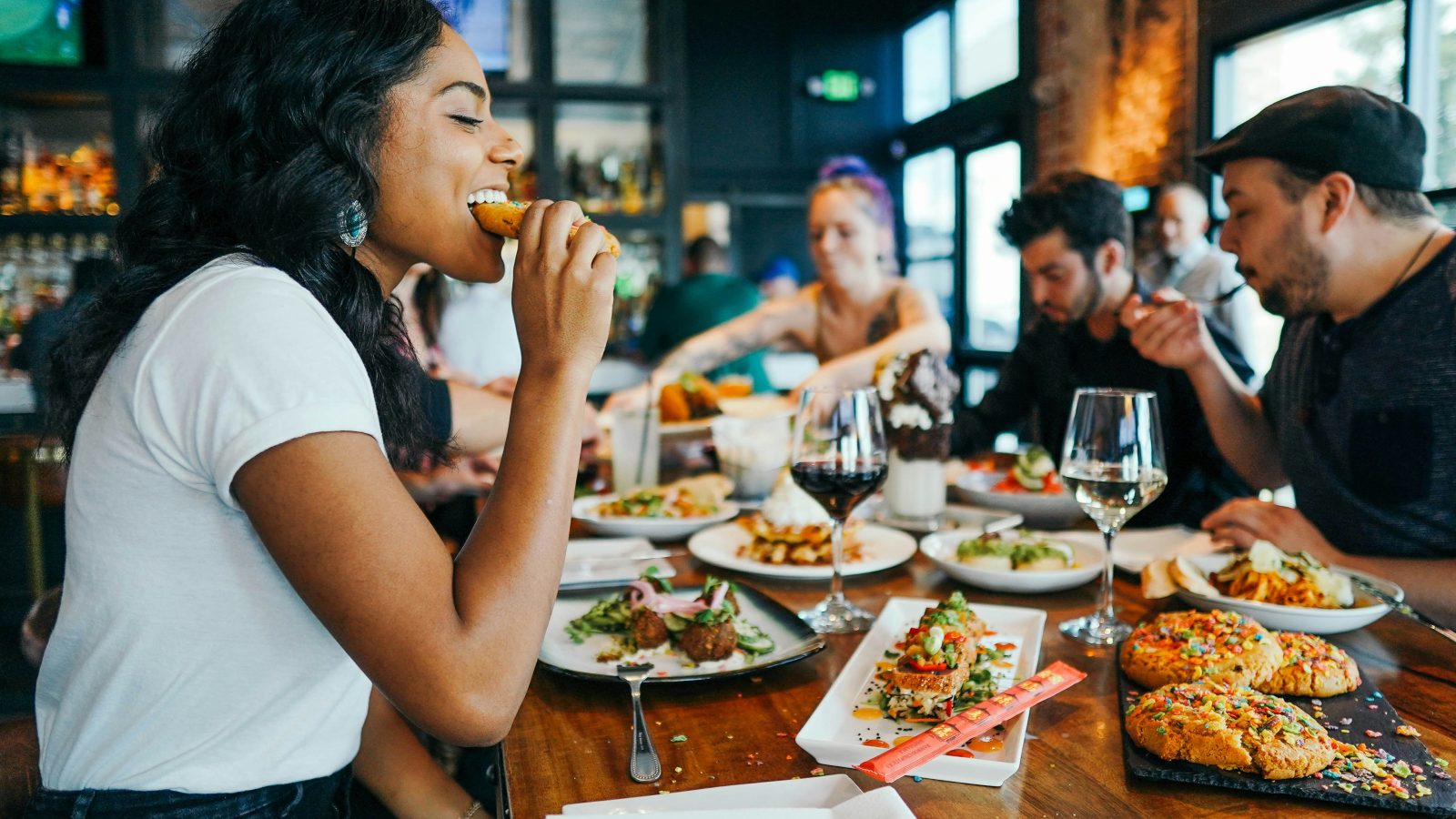
Main image by Alex Haney on Unsplash
 Our newsletters emailed directly to you