Theatre / Stephen Lightbown
Exposing the ‘grim’ reality of the disability benefits system
Despite positive critical reception, Stephen Lightbown’s solo show A Life With PIP struggled to attract much interest when he first performed it in Coventry in 2020.
Disability benefits, the award-winning poet, disability rights advocate and para surfer admits, is not exactly a “sexy” subject.
Now, amid renewed debate and proposed changes to disability support, its return to the Tobacco Factory Theatres on Saturday comes with fresh urgency.
is needed now More than ever
“It still feels really relevant,” the 46-year-old says. “Probably more relevant than it did do five years ago because of the changes in the discussion around PIP and whether or not there’s a place for it.”
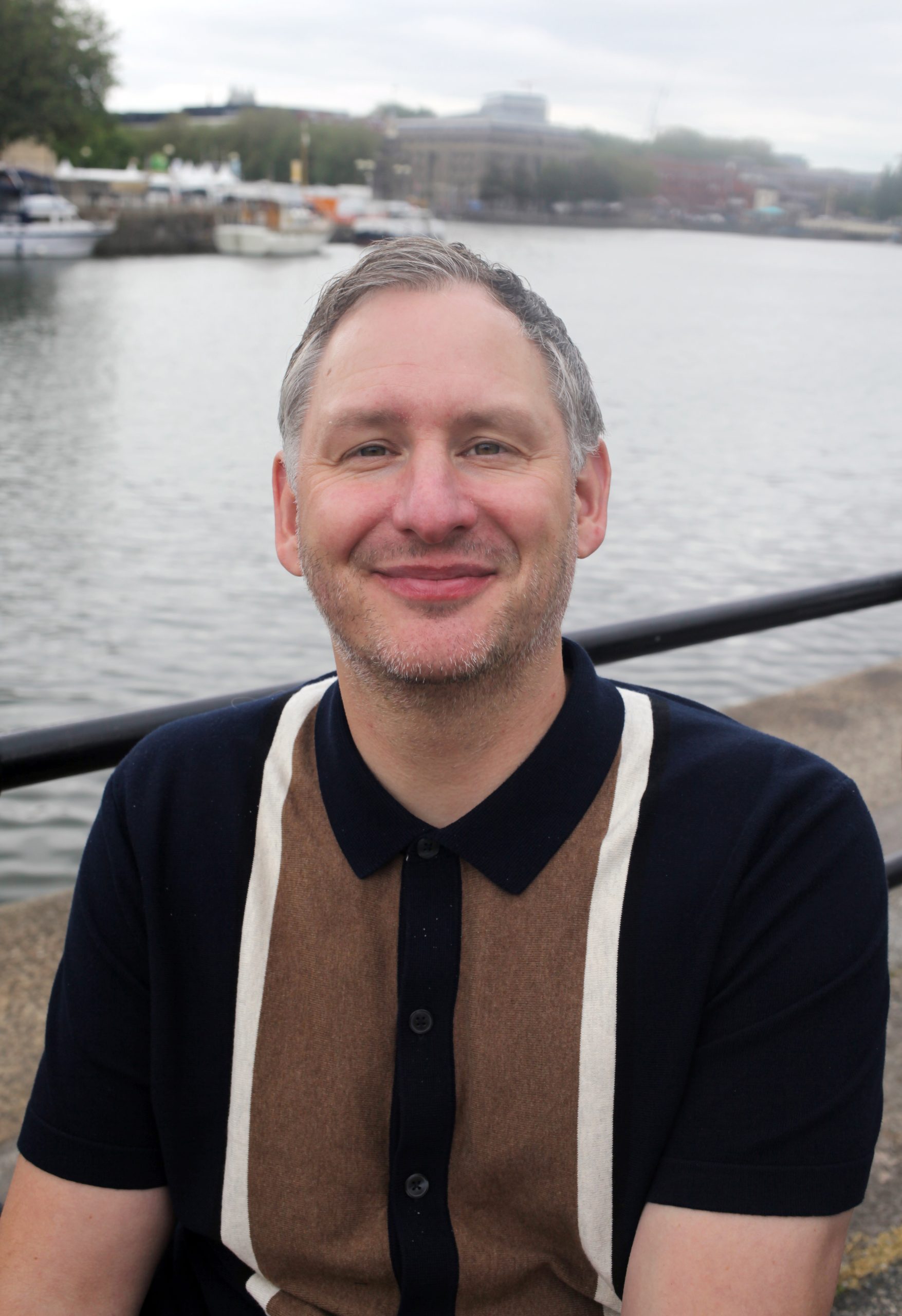
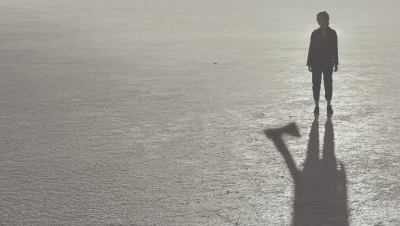
‘A Life With PIP’ is a solo piece written and performed by award-winning poet and disability rights advocate Stephen Lightbown – photo: Adele Mary Reed
Personal Independence Payment, known as PIP, is the main disability benefit in England and Wales intended to help cover the extra cost of living with a long-term physical or mental health condition.
Stephen had no intention of writing a play about the topic until a theatre company approached him during lockdown with a commission themed around how to live in a fairer, more human world.
At that time, he was going through PIP assessment which “didn’t feel particularly fair or human”.
““I don’t think it’s a process that gets spoken about that much from the point of view of somebody going through the process. The process itself is pretty grim and dehumanising.”
The result was A Life With PIP, a performance blending spoken word and storytelling that interrogates what it means to navigate a system that repeatedly asks Disabled people to “justify their existence”.
Stephen became a wheelchair user as a teenager after a life-changing sledging incident. His condition is permanent with no prospect of improvement.
“Nothing about my condition is going to change,” he says, “but the assessment brings a constant level of anxiety.”
The process, he goes on, forces people to view their lives through the lens of their worst possible days.
“You’re asked what help you need,” he tells Bristol24/7. “But I’ve spent 30 years learning how to get dressed in my chair and how to make my house as accessible as possible, so it’s really difficult to put yourself in that mindset.”
View this post on Instagram
PIP is meant to cover the extra costs of living in an inaccessible world but, Stephen notes, the assessment never asks what those costs actually are. His own include a £24,000 lift at his home and recurring expensive repairs to his wheelchair.
“If I earn £20,000 and my next door neighbour earns £20,000, the point of PIP is that I shouldn’t be spending a proportion of my income on managing my disability,” he says.
“That’s where the issue is, really. I think the assessment process is just wrong.”
Much of what the audience will see is a far cry from the version of Stephen visible on social media.
Alongside his artistic work, Stephen represents Team England in international adaptive surfing competitions.
It is this side of his life that led to him being shortlisted as a Bristol sportsperson legend at Bristol24/7’s inaugural Bristol Legends event.
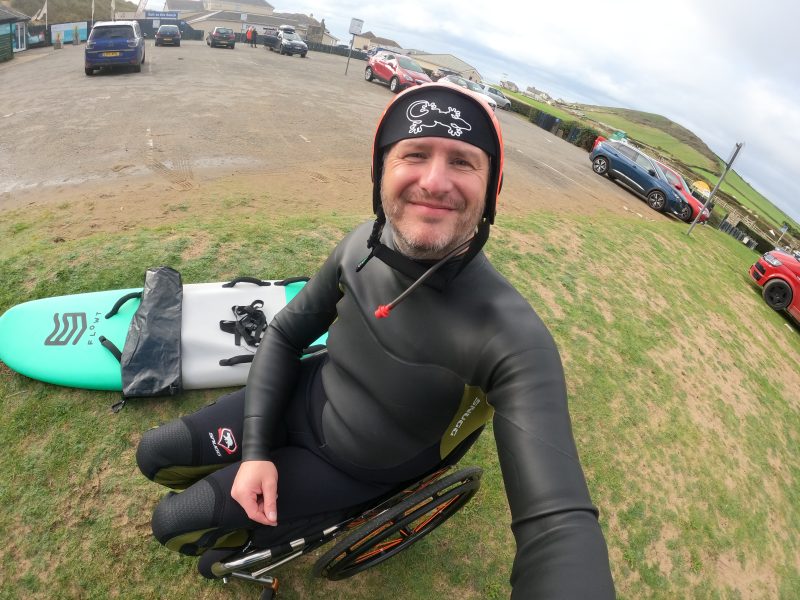
Stephen has taken on some of the world’s best para surfers – photo: Stephen Lightbown
Speaking on social media about the joy surfing brings him, he says: “There’s something about first and foremost being in the water. The freedom that I get from being out of my chair.
“It’s a way of moving that doesn’t rely on my chair. When I get on the board, I feel a steadiness and robustness.”
But, he adds in person: “I never talk really about the physical toll of it all: the help that I need to be able to do that and what it does to my body.”
In the show, Stephen turns PIP itself into a character, giving the endless forms a voice.
Explaining this choice, he says: “I spend so much time with this paperwork and the questions feel so personal that only a person should be able to ask them.”
The character of PIP enters, interrogates him and goes, leaving Stephen with what he calls the “collateral damage” of “building yourself back up again”.
“How many times do you want me to explain my accident?” he asked. “It’s a traumatic event that I’ve had to explain maybe thousands of times over the past 30 years. And it’s all in a file somewhere.
“I think we don’t appreciate the toll it takes on somebody to have to go through that again and again and again.”
View this post on Instagram
2026 marks 30 years since his accident, coinciding uncomfortably with the return of his show.
Rehearsing has been harder than he expected: “I’m actually having to dial the anger down. I’m so frustrated by it that I’m tripping over myself.”
Stephen performs with the script on paper, something he once felt embarrassed about but now sees as important: “I struggle to remember large chunks of information so I feel a bit of a fraud because I read it off paper.
“But I’ve built that into the show as that’s part of the reality of assessments too – being asked to remember stuff when you live with this brain fog.”
Asked about what he hopes to achieve with the performance, Stephen says he’d like to change perspective rather than policy, although he suspects those who need to see it the most won’t be in the room.
“The empty seats are the people I’m really performing to,” he says, saying that disability is often sidelined to other issues.
He explains: “Disability has its own pride month, but you don’t see people changing their social media banners or covering the buses in stuff about disability.”
“It’s always at the bottom of that list of things that gets spoken about which is wild because anybody could go out of their house and trip over a curbstone and end up as a paraplegic.”
Despite everything, Hanham-based Stephen is excited about getting to perform in his adopted city, praising the Tobacco Factory as one of the few venues in Bristol that handles accessibility well.
“Ten years ago, I was gutted by how many venues I couldn’t even enter,” he says. “I’ve had to turn work down because of access. That still happens.”
Until now, the show has largely been performed in his bedroom while he rehearses in front of a mirror.
“It’ll be good to finally say it out loud,” he says.
A Life With PIP is being performed at Tobacco Factory Theatres on Saturday, February 7. For tickets, visit tobaccofactorytheatres.com/shows/a-life-with-pip
For more information and to vote at Bristol Legends, visit www.bristol247.com/nominations; and to attend the awards ceremony at Ashton Gate on March 6, visit www.bristol247.com/events/legends-awards-tickets
Main photo: Andrew Moore
Read next:
 Our newsletters emailed directly to you