Music / Reviews
Review: The Weather Station, The Fleece – ‘Fluent music made from a fractured state’
Weather stations usually stand isolated. Offshore or remote, they gauge wind patterns, temperatures and atmospheric pressure to interpret the imperceptible data of our environment. They forecast change, say where things are headed.
As metaphorical pseudonyms go, Toronto-born Tamara Lindeman’s choice of the Weather Station is a good one. Over six albums and 15 years she has tuned into the climate of global anxiety, cataloguing its effect on her own internal weather and articulating ours.
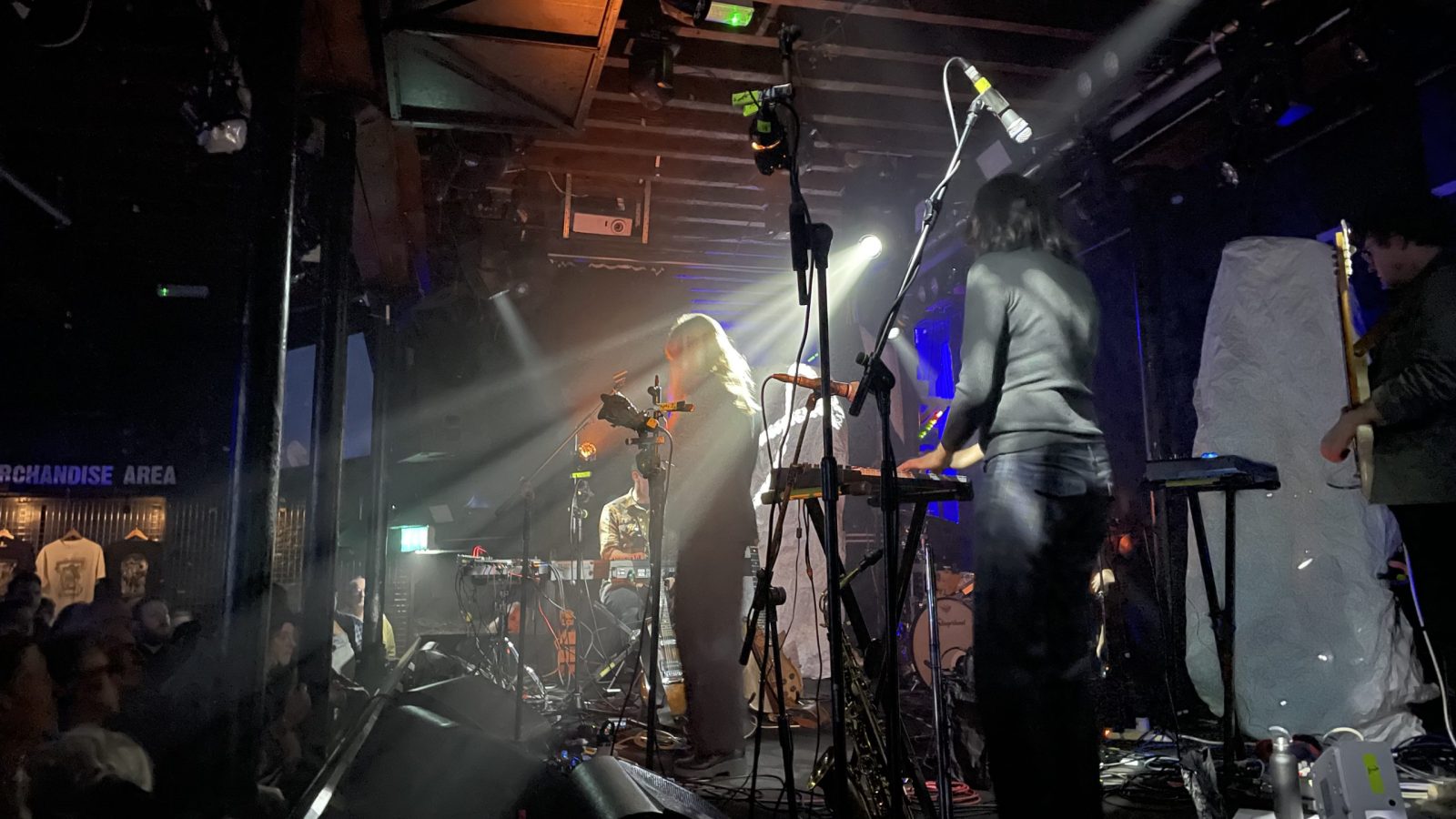
Lindeman is less isolated these days – her sound on this year’s minor masterpiece Humanhood is, like the Fleece’s stage tonight, pretty full. A five-piece band blends introspective folk-rock with sophisticated jazz and electronic soundwaves.
is needed now More than ever
View this post on Instagram
Joni Mitchell is an obvious reference: Lindeman is Canadian, and speaks intimately one second, only to soar and dip the next.
But other, English comparisons are more helpful musically. Bowie’s Blackstar excursions are in the skittish, softly tumbling rhythms and muted saxophone skronks that land like dappled light in a glade – music quietly falling in on itself, like Lindeman’s mind, perhaps.
There’s a Nick Drake, Bryter Layter-like quality to the flecks of flute. Sometimes, as on Robber played early tonight, the band sounds like the Colour Of Spring-era Talk Talk: woody, tetchy.
Amid such explorations, Lindeman charts her own psychic separateness from the world, and from herself. After addressing climate change directly on the 2021 album Ignorance, Lindeman experienced a breakdown. Luckily for her, and us, she emerged from that crisis with Humanhood. It makes for a live show which is utterly spellbinding.
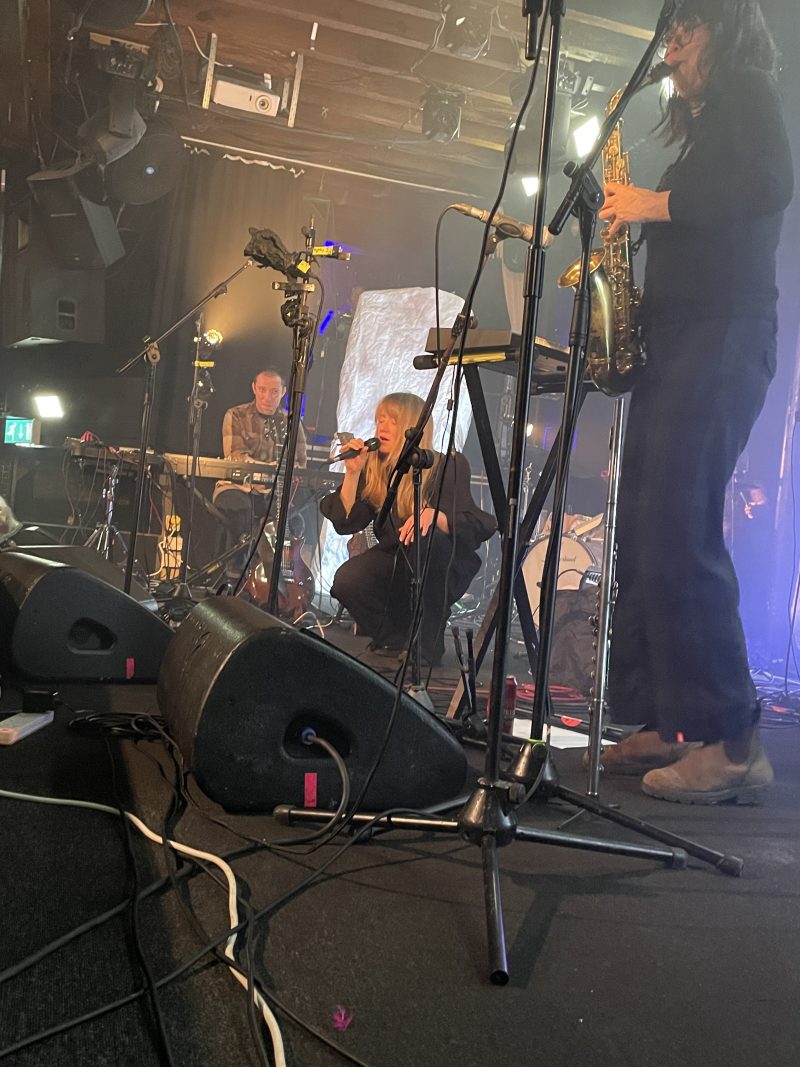
Lindeman’s sense of the dramatic helps. The lighting reflects the evolving mood, films are projected onto Stonehenge-style pillars. It’s all underpinned by a structure she reveals to us during Irreparable Damage – the spoken-word track from Humanhood that conflates climate anxiety with a broken brain’s spiralling fear.
Live, it has become a jazz interstitial, a ‘safe space’ pause between three distinct acts.
Act one showcases what Lindeman calls “the dark stuff” – her songs of “disconnection and confusion”. She projects her shattered psyche on Mirror (“What is this dirty old thing? Can’t you see that it’s broken?”) and Neon Signs, which diagnoses the (mis)information overload of our world: “every flashing light tries to fool you.”
Act two is about reconnection, with Lonely the high point. It embodies Lindeman’s ability to capture the epiphanies of shifting mental weather: “The thought I can’t get near to / The place I always disappear to / Something so big, I couldn’t see it till it was gone”.
In act three, as on the record, the ballad Ribbon (“my pain is ordinary”) gives way to the instrumental Fleuve, music distilled to circling piano chords as Karen Ng plays silent saxophone, the sound only a rasping emptiness – a metaphor for self-expression for its own sake.
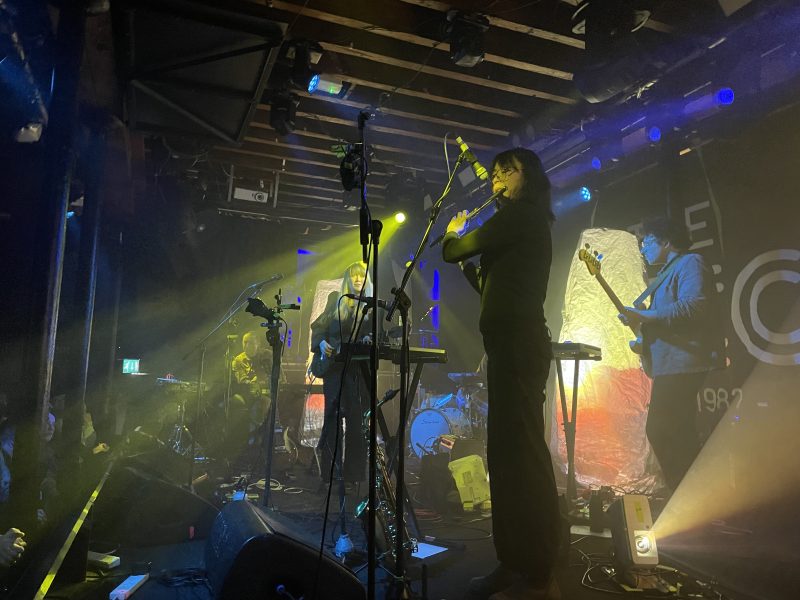
After that, the lights brighten and the new album’s title track bursts into life, despite the burden of its message : “I’m carefully carrying this humanhood, ungracefully carrying this body, that’s tired from carrying a mind.”
Following a celebratory Parking Lot (from Ignorance), the band encore with Sewing. Humanhood’s closing track stitches the emotional flux of the concert into something whole: “This blanket I seem to be making / From pride and shame / Beauty and guilt”.
It is fluent music made from a fractured state. “Too late for perfection, to clean up the mess / All I can do is sew this in, too,” she sings.
At one point, she sneezes, then laughs. It breaks the tension and makes her point. The weather might be dark now, but things will be brighter later.
All images: James Caig
Read next:
 Our newsletters emailed directly to you