Your say / cycling
‘Kidical Mass is a joyous celebration and a reminder of what’s possible’
Is a child’s bike a toy or a form of transport? Your answer may depend on whether you have children or ride a bike regularly yourself.
If asked to picture a cyclist, many people will imagine a young(ish) fit white male, possibly in lycra. An image of a six-year-old child in a Bluey t-shirt on the way to the shops is unlikely to spring to mind.
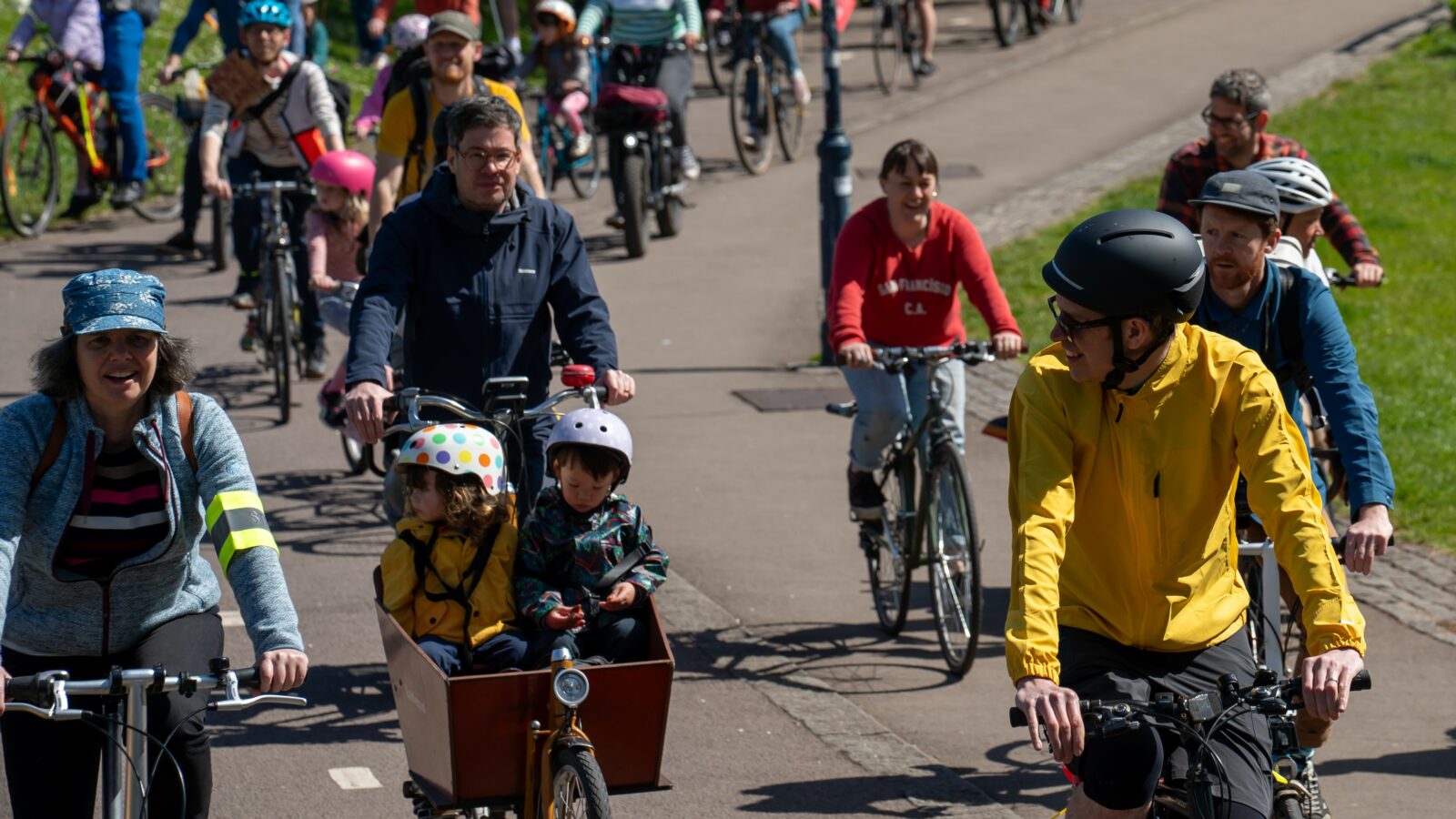
So when Kidical Mass comes to town, it can be an eye opening event. Roads that rarely have children cycling down them become nose to tail with balance bikes, scooters, trikes and electric cargos.
is needed now More than ever
There is bellringing, waving and big smiles.
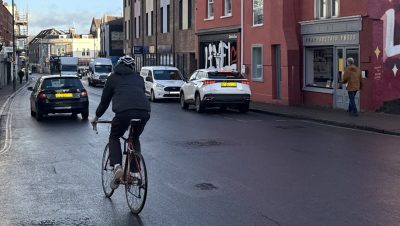
It’s a stark comparison to what we usually see on our roads.
View this post on Instagram
But Kidical Mass is more than just a joyous celebration; it’s a reminder of what’s possible.
We want our streets to be for everyone, from a six-year-old on a bike to your elderly neighbour on an electrically assisted trike.
As it stands, many people feel unwelcome and unsafe. What’s daunting for an adult is dangerous for a child.
Cycling en masse means safety in numbers. This allows the kids to experience moving about in their city on roads they never normally have access to.
What it highlights is how much our roads have become dominated by motorised traffic and how little physical and mental space that leaves for everything else.

Young children cycling to school remains a rare sight – photo: Martin Booth
When we talk of cycling infrastructure, we’re probably thinking of cycle lanes that take you from A to B as swiftly as possible.
Quite often, they’re created for commuters travelling from the suburbs to the centre of town.
However, for many people, especially women and children, their journeys follow a different pattern.
There are frequent smaller trips and local traversing and the radial cycle lanes directed to the town centre are not very helpful.
As most traffic engineers have historically been men, expensive cycling infrastructure has been focused on work related journeys that have an economic benefit.
Yet there are economic, physical and mental health benefits to improving local journeys that are less car dependant.
It allows children to have more freedom, be physically active and can help relieve school run congestion.
When children are free to move around independently, they actually learn about their neighbourhood and the built environment using all of their senses; not just experiencing it through a car windscreen.
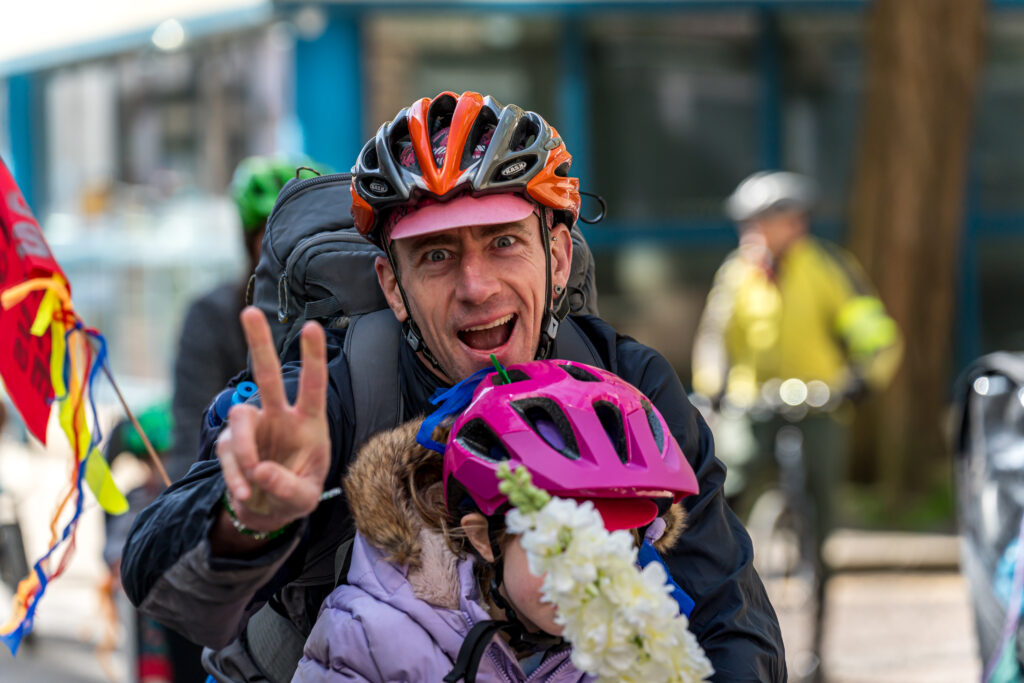
The Kidical Mass action alliance “are united by the vision that children and young people should be able to move around safely and independently on foot and by bike” – photo: Rob Browne
So when you see us taking up the entire road, ringing bells and waving, please wave back as a sign of support.
Yes we may be holding up traffic. But it’s nothing compared to the daily amount of congestion that’s generally tolerated.
We want to raise awareness of the diversity of people on bikes and their differing needs.
We aim to contribute to changes that could see us all cycling comfortably on the road with our children or grandchildren for the first time.
Kidical Mass is accessible activism as well as a fun day out.
Bristol’s Kidical Mass starts on Saturday at 11am from the bandstand in Castle Park. For more information, visit www.facebook.com/KidicalMassBristol
Main photo: Rob Browne
Read next:
 Our newsletters emailed directly to you