Your say / walking
‘The history of walking is tied up with a history of exclusion’
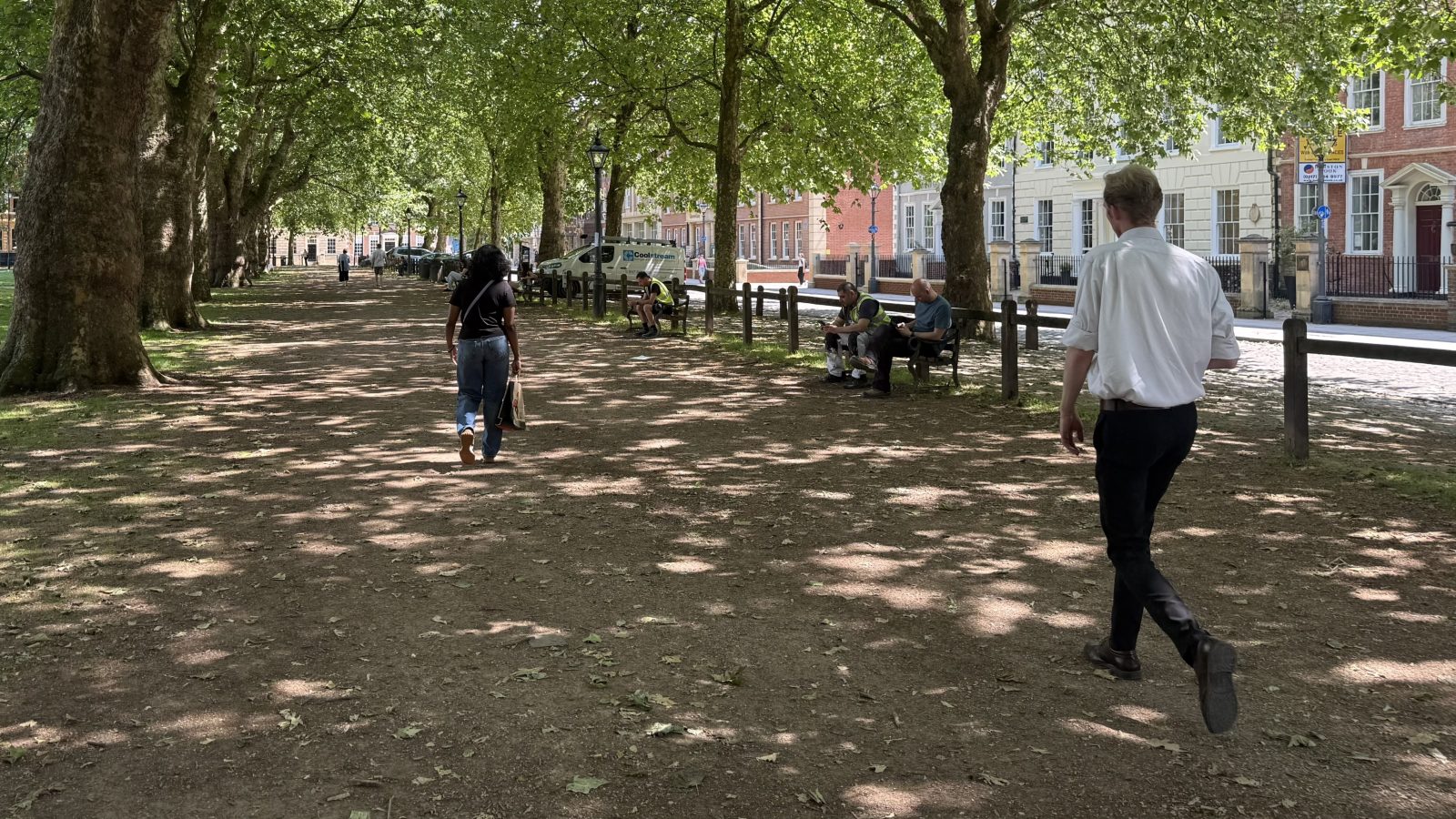
In his recent article, Bristol’s good and bad walking infrastructure, Martin Booth explores the impact on pedestrians of car-dominance in Bristol and the efforts being made to make the city a more friendly place for walkers.
Zoe Banks Gross helpfully points out in the piece that it is not only walkers affected by narrow pavements and thoughtless transport planning, but anyone who needs to move through the city, including wheelchair users and those with mobility impairments.
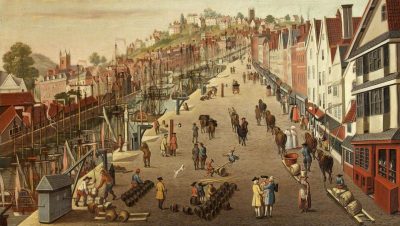
There is a longer history underlying these infrastructural inequalities. During the 16th century, walking was recodified as an elite activity, and walking environments such as promenades and piazzas were built so that the upper echelons could display their ‘naturally’ superior bodies.
is needed now More than ever
Many of our ideas about walking places owe their design to these idealised walkers; people who were invariably white, non-disabled and wealthy.
The history of walking is therefore tied up with a history of exclusion.
As Banks Gross and Bristol Walking Alliance identify, creating walking environments which are “welcoming, safe, convenient and inclusive” means meeting the needs of every one, and this involves creating space for those who are currently marginalised to have their say.
As part of Bristol Walk Fest, Breathing Fire Theatre Company and University of Bristol researchers are running a creative workshop on Thursday to do just that – to listen to the experiences of those with mobility impairments about their experiences of moving through the city.
Walking today will be put into its historical context. The 16th century was an era which inherently privileged non-disability, and which expected disabled individuals to perform their impairments in order to receive alms or aid.
At the same time, non-disabled actors in the Renaissance theatre faked impairments to construct disabled characters, and there were numerous dramatic plot lines in which characters faked disabilities for their own selfish ends.
Disability was therefore frequently connected to pretence and counterfeiting.
Every time a blue badge holder is accosted for failing to visibly demonstrate why they require a dedicated parking bay, this historical expectation resurfaces.
The urban developments from the Enlightenment through to the Industrial Age were predicated on very restrictive ideas about who ‘counted’ as a walker, and the work of walking activists such as Bristol Walking Alliance plays a crucial role in highlighting how these disparities continue to affect us.
As a research team, we want to find out more about this experience of walking inequality and, hopefully, to play a role in feeding them to decision-makers in the city who might be able to make a difference.
There are still places available on Thursday’s workshop. For more information, visit www.bristolwalkfest.com/event/moving-around-and-accessing-bristol-a-creative-workshop
If you would like to participate and to have your say, then please email me: [email protected]
This is an opinion piece by Dr Eleanor Rycroft, associate professor in early modern performance at the University of Bristol
Main photo: Martin Booth
Read next:
 Our newsletters emailed directly to you