Music / rock
Review: The Cult, Colston Hall
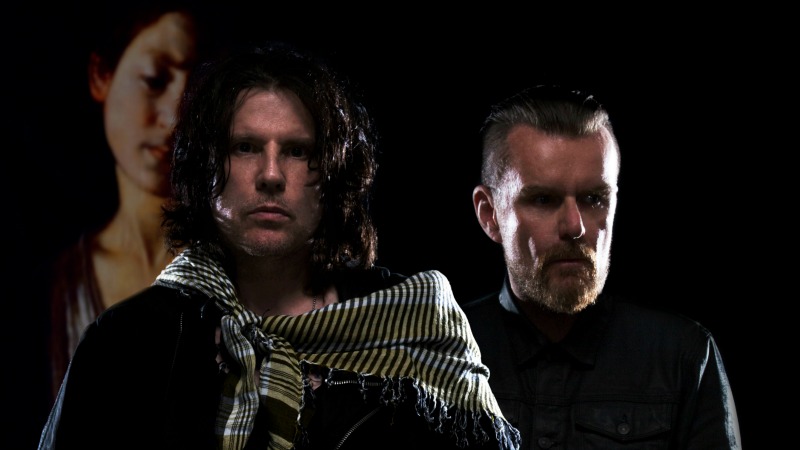
There’s a danger in seeing your favourite band live. Like meeting your heroes, there is so much potential for disappointment. All your adulation could be tainted by one lacklustre performance. Your heroes will be reduced to human beings, their flaws too apparent – spoiling the fantasy world of well produced albums and moodily lit press shots.
I approached The Colston Hall feeling more apprehensive than excited. Finally, The Cult were back in Bristol – with a new album in tow. Hidden City is the band’s tenth studio album, and while it is a solid shimmering rock affair, the majority of the crowd would be lying if they said it’s what they came to see.
No. There are simply too many intriguing corridors to explore in The Cult’s long established church of goth for them to only show us the new lobby. What follows is a career spanning set that majestically time travels between the 80s and the present day in the blink of a riff. The choice to open with their latest single Dark Energy feels apt; when the song title provides a fitting description of the atmosphere, as The Cult proceed to rock harder than most bands half their age.
A roar of joyful recognition erupts during the opening bars of Rain and She Sells Sanctuary. With their romantic tone steeped in Billy Duffy’s soulful delivery of beautiful guitar leads; it’s safe to say that the songs of 1985’s Love are the ones the crowd really, er, love tonight.
But for every swoony goth moment, a heavy metal moment follows in the form of stomping renditions of Lil Devil and Fire Woman. Fists fly in the air during the anthemic Sweet Soul Sister – a song with a chorus so big it feels as though the venue may burst.
As usual with The Cult, whose wildly varied output often receives criticism for inconsistency, tonight has some low points as well as dizzying highs. “This is the first time we are playing this song” announces Ian Astbury before a sluggish trawl though Deeply Ordered Chaos. ” It’s a slow number from Hidden City that works far better on the album than in a live setting.
Astbury’s performance is also somewhat divisive. For every twirl, every strut, every flamboyant wave of his tambourine; there’s another vocal line missed. He appears far more concerned with being a frontman than a lead singer. His charismatic prancing certainly is entertaining to watch, but if you wanted to hear the chorus of Wild Flower then you better be prepared to sing it yourself.
As they finish on a high with Spirit Walker and Love Removal Machine, it’s impossible not to marvel at how The Cult managed to cram such a balanced mix of old and new into their 100-minute set. This is the joy of a band unafraid to continually reinvent themselves. They’re 33 years into their career, and still as electrifying as ever.
 Our newsletters emailed directly to you