Theatre / Reviews
Review: The Plough and the Stars, Bristol Old Vic – ‘The young cast deserve enormous credit’
On the centenary of Seán O’Casey masterpiece, Bristol School of Acting’s graduating students tell the story of the 1916 Easter Rising through a modern lens.
The title refers to the Starry Plough flag used by the combatants in the Irish Citizens Army, and the piece has always prompted conflicting views.
When first submitted to the Abbey Theatre in Dublin, there were objections about the use of blasphemy and profanities – along with the appearance of a prostitute. Riots accompanied some early performances, with some audience members feeling the play mocked the already burgeoning mythology around the Irish revolutionary movement.
Although these early reactions may have evaporated, the story still retains the ability to shock. The action takes place in working-class Dublin neighbourhoods during the lead-up to and the events themselves. Britain is in the middle of the First World War, but revolutionary fervour has not abated.
The strength of this production comes from the young cast themselves, not only in their wholehearted embracing of characterisation, but in revealing the clarity of O’Casey’s often very lyrical text.
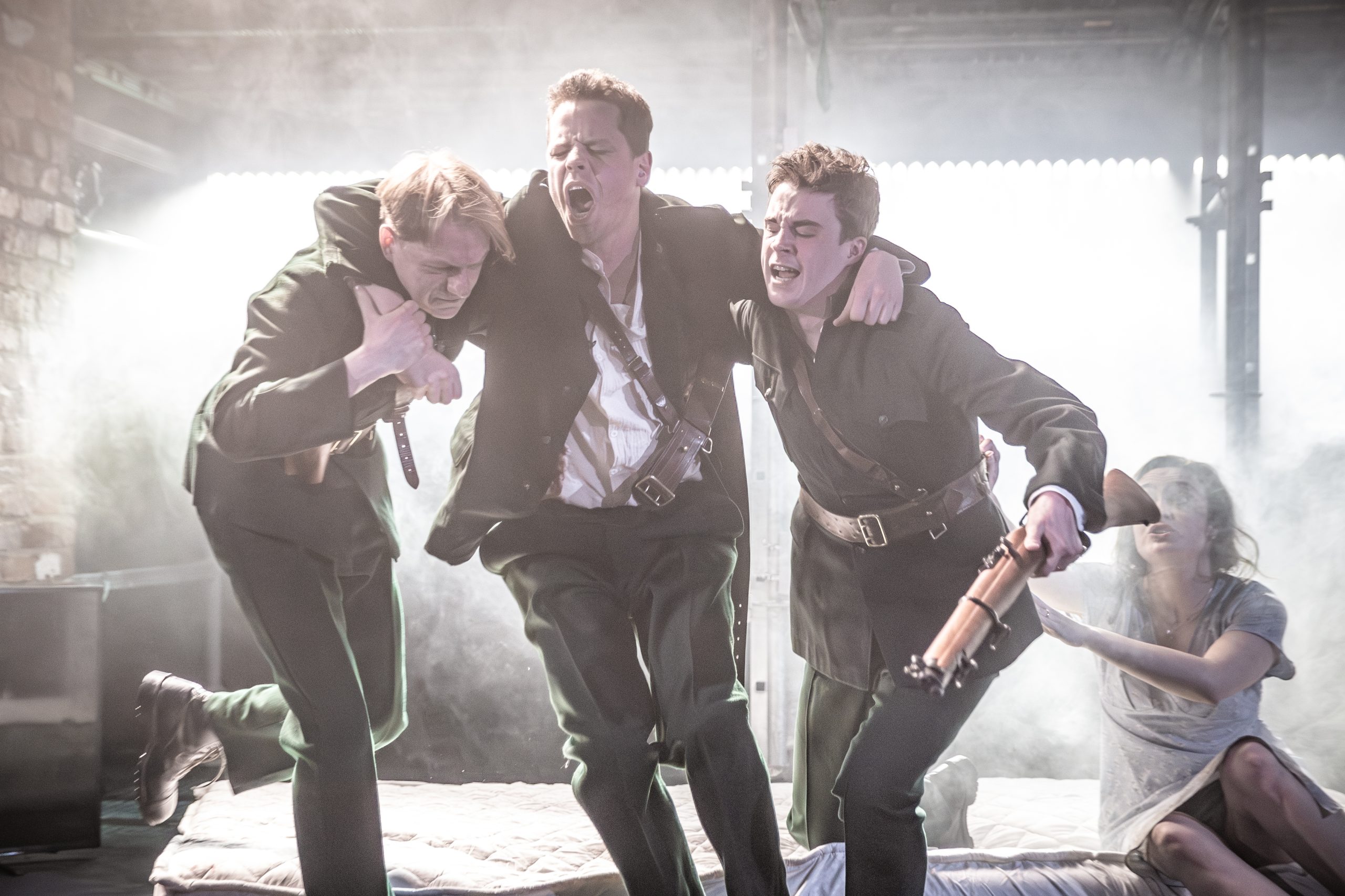
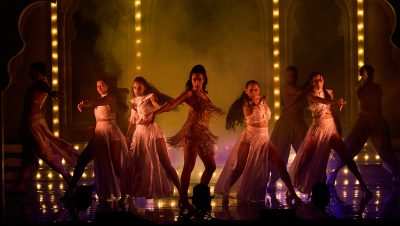
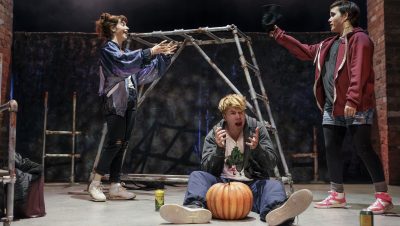
Director Stuart Wood has marshalled the ensemble so that, together with Cat Fuller’s set design, they perfectly suit the tone and mood. The tenements are represented by a scaffolding structure on which characters ascend and descend, while the transition from living room to pub – introduced by spirited dancing – is both dynamic and effective.
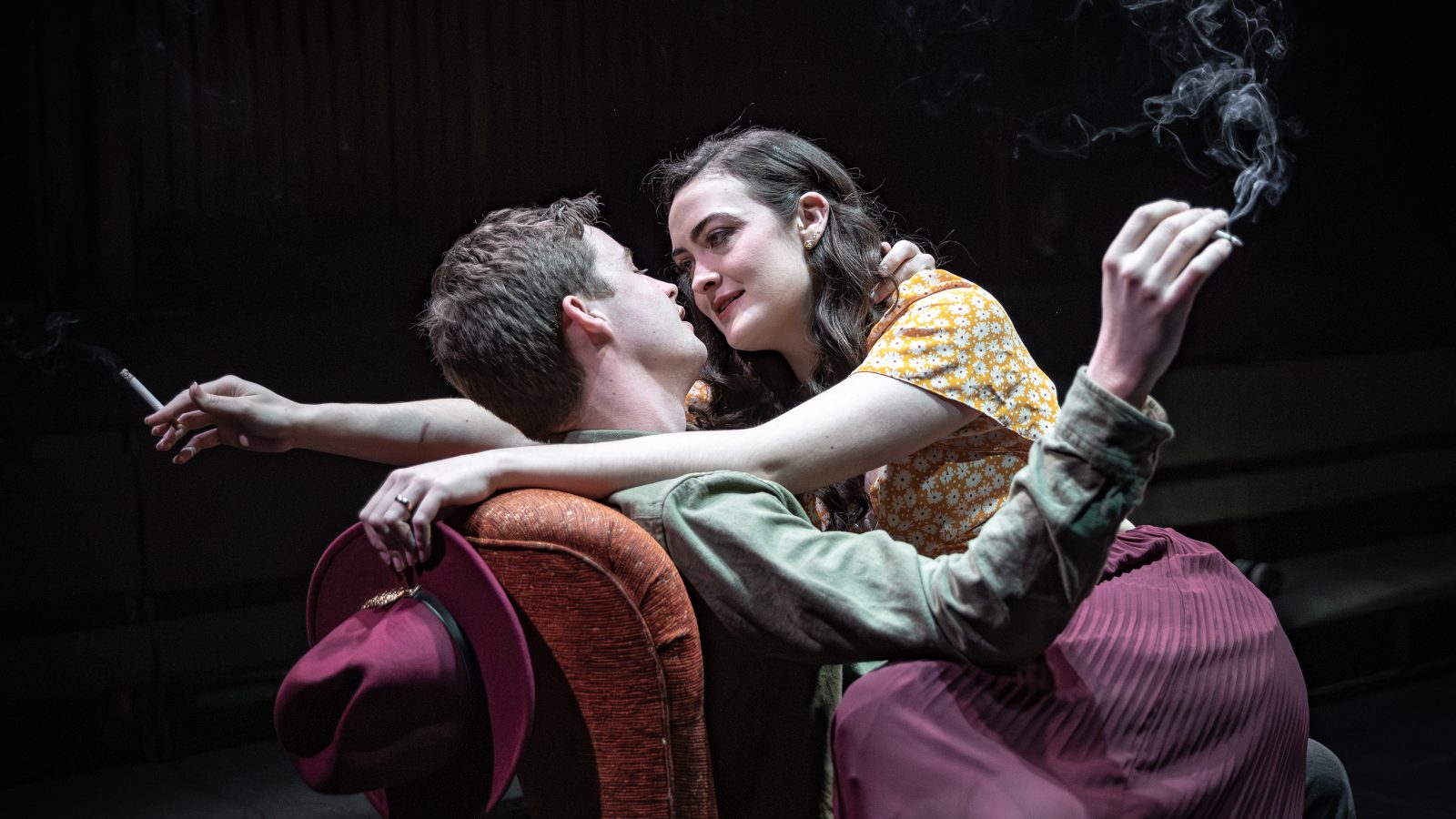
Graduating shows aim to showcase multiple performances in a large cast, and there are many moments of quality here. The female leads are all excellent. Salome Haertel as Mrs Gogan is a powerful presence throughout, conveying determination and grit. Kirbie-Leigh Dean as the British loyalist Bessie Burgess is key in capturing the nuances behind the piece, at times taunting her neighbours and at others acting as the hero coming to the community’s help.

The action centres around Yzabelle Walker as Nora Clitheroe, wife of Jack (Joshua Fleming Smith) as he is drawn back into the army which he left for her. Her portrayal elevates the story into something Shakespearean, not least with the swirling poetic narrative and Ophelia-like descent into madness.
Kate Goodman dishes up humour as prostitute Rosie Redmond, plying her trade to ensnare the simple, and at times surprisingly astute Fluther Good (Jamie Whitelaw). Tom Eros, the ardent socialist Covey brings further depth to the story, challenging the accepted belief that revolution will benefit everyone.

Billed as a reinterpretation, the work contains some uneven elements. Contemporary dress might have worked well if it were consistent. Modern touches, including looting of a large plasma screen TV and a beer fridge, are funny, but the decision to have revolutionary soldiers in period costume is jarring. More grating still is the contrived finale, hinting at the Abu Ghraib prison atrocities conducted by American soldiers during the Gulf War. The latter scene serves only to subvert the basic anti-heroic themes and iconolatry.
However, the cast deserve enormous credit. Performance at close quarters in the round gives no room to hide, and I look forward to seeing many of them shine in the years ahead.
View this post on Instagram
Bristol School of Acting presents: The Plough and the Stars (age recommendation 12+) at Bristol Old Vic on April 11-18 at 7.30pm, with an additional 2.30pm matinee show on Saturday. Tickets are available at www.bristololdvic.org.uk. Follow @bristolschoolofacting for updates.
All photos: Craig Fuller
Read next:
- Review: Twelfth Night, Tobacco Factory Theatres – ‘Another triumph from the most exciting acting school in Bristol’
- Review: A Fairy Story (Animal Farm), Tobacco Factory Theatres – ‘Exceptional acting lights up this techno remix of the Orwellian fable’
- Review: Double bill: The Britz/Codetta – ‘Bristol School of Acting is continually producing superb shows’
- Bristol School of Acting dive into the radical, Hamlet-inspired world of ‘Elsinore’
 Our newsletters emailed directly to you